Ethernet and Communication Modules
Source reliable Ethernet and Communication Modules from vetted manufacturers and wholesale suppliers. Designed for importers, distributors, and brands seeking high-volume OEM production, our network delivers industrial-grade connectivity solutions tailored to your specifications.
Sourcing Ethernet and communication modules in bulk requires strict attention to chipset provenance, thermal tolerance, and firmware stability. A failure in a single communication node can compromise entire IoT deployments or industrial control networks. Relying solely on a supplier's datasheet without verifying their production capabilities often leads to inconsistent batches, thermal throttling in the field, or compliance failures at customs.
Critical Specifications and Component Selection
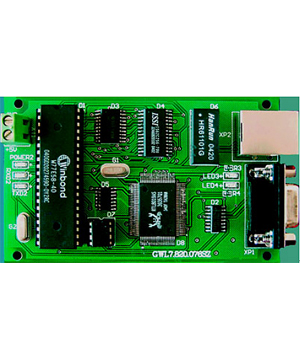
When evaluating manufacturers, the bill of materials (BOM) is your primary focus. The core controller IC dictates the module's baseline throughput and protocol support, but the surrounding passive components, magnetic isolation, and PCB substrate determine its actual longevity and reliability in harsh environments.
Buyers must clearly specify the operating environment to ensure the factory quotes the correct grade of components. A common sourcing error is approving a golden sample built with industrial-grade components, only for the factory to substitute commercial-grade passives during mass production to improve their margins.
| Specification | Commercial Grade | Industrial Grade |
|---|---|---|
| Operating Temperature | 0°C to 70°C | -40°C to 85°C |
| PCB Substrate | Standard FR4 | High-Tg FR4 (TG150+) |
| Magnetic Isolation | Integrated (Standard) | Discrete / High Isolation (1.5kV+) |
| Conformal Coating | Rarely applied | Standard for moisture/dust resistance |
Need help verifying factory BOMs and component authenticity? Let our sourcing engineers protect your supply chain.
Talk to our teamManufacturing Quality and Defect Prevention
The bulk of global communication modules are produced on Surface Mount Technology (SMT) lines across manufacturing hubs in Shenzhen and Dongguan. While the SMT process is highly automated, yield rates and long-term reliability depend entirely on the factory's internal testing protocols. Solder joint integrity on high-density ICs and proper reflow profiles are critical.
Before committing to a high-volume order, it is essential to conduct thorough Factory Audits to verify that the supplier utilizes 3D Solder Paste Inspection (SPI) and Automated Optical Inspection (AOI) on their lines.
To prevent defective units from shipping, your Quality Control & Inspection plan should mandate specific functional tests on the factory floor:
Essential QC Checks for Communication Modules
- Dielectric withstand testing (Hipot) on Ethernet isolation transformers.
- Automated throughput and packet-loss testing at maximum rated speeds.
- Verification of MAC address allocation to prevent network collisions.
- Thermal cycling tests for modules destined for industrial applications.
- Firmware checksum verification to ensure the correct software version is flashed.
OEM/ODM Customization and Firmware Integration
Many brands require modules that integrate seamlessly into proprietary hardware. This often involves custom form factors, specific pin-header alignments, or pre-loaded proprietary firmware. When engaging OEM/ODM Services, defining the exact scope of hardware and software customization upfront is vital.
If you are providing custom firmware, ensure the factory has a secure, automated flashing process that logs successful writes. Factories that manually flash firmware face higher labor costs and increased risks of human error, which can lead to bricked modules in the field.
Typical MOQs, Pricing Drivers, and Lead Times
Pricing for Ethernet and communication modules is highly elastic, driven primarily by global IC availability, copper costs for PCBs, and the specific controller chips used.
Custom packaging, specialized MAC address block purchases, and rigorous third-party lab testing will add to both the per-unit cost and the lead time.
Struggling to negotiate favorable terms or secure reliable IC allocations? Partner with us to streamline your procurement.
Get a free consultationFrequently Asked Questions
Securing high-quality communication modules at scale requires moving beyond unit price and scrutinizing the factory's component sourcing, SMT capabilities, and end-of-line testing. By enforcing strict quality standards and verifying production capability early, you protect your hardware deployments from costly failures.
Get Sourcing Help for Ethernet and Communication Modules
Tell us your requirements and our experts will connect you with verified manufacturers.