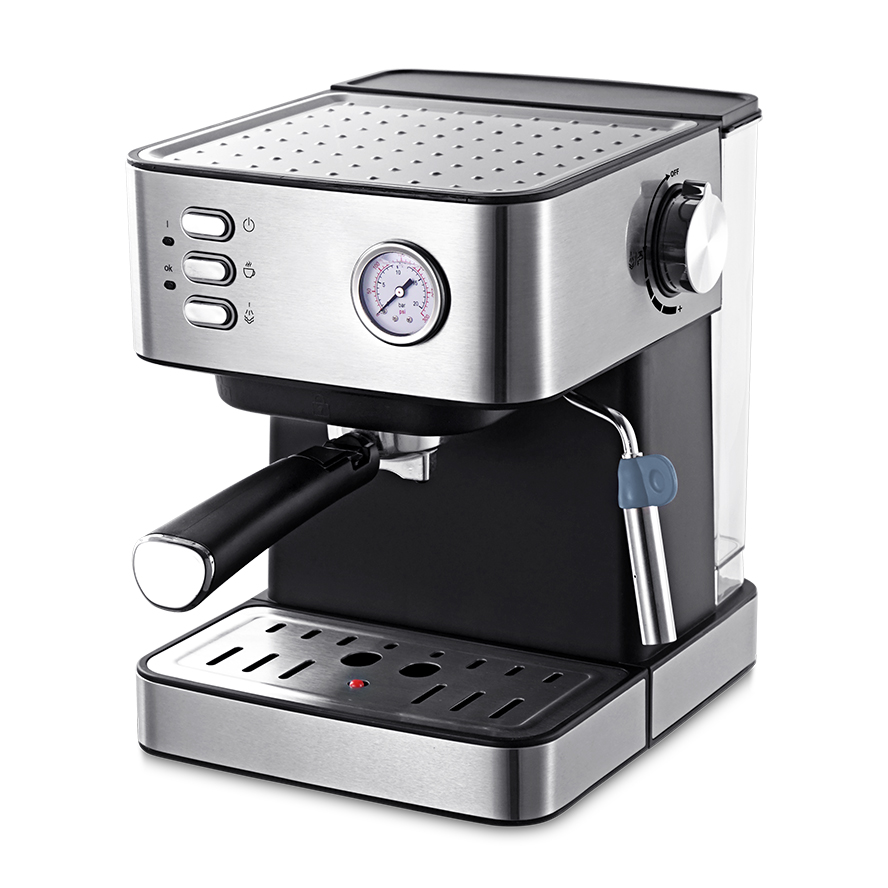
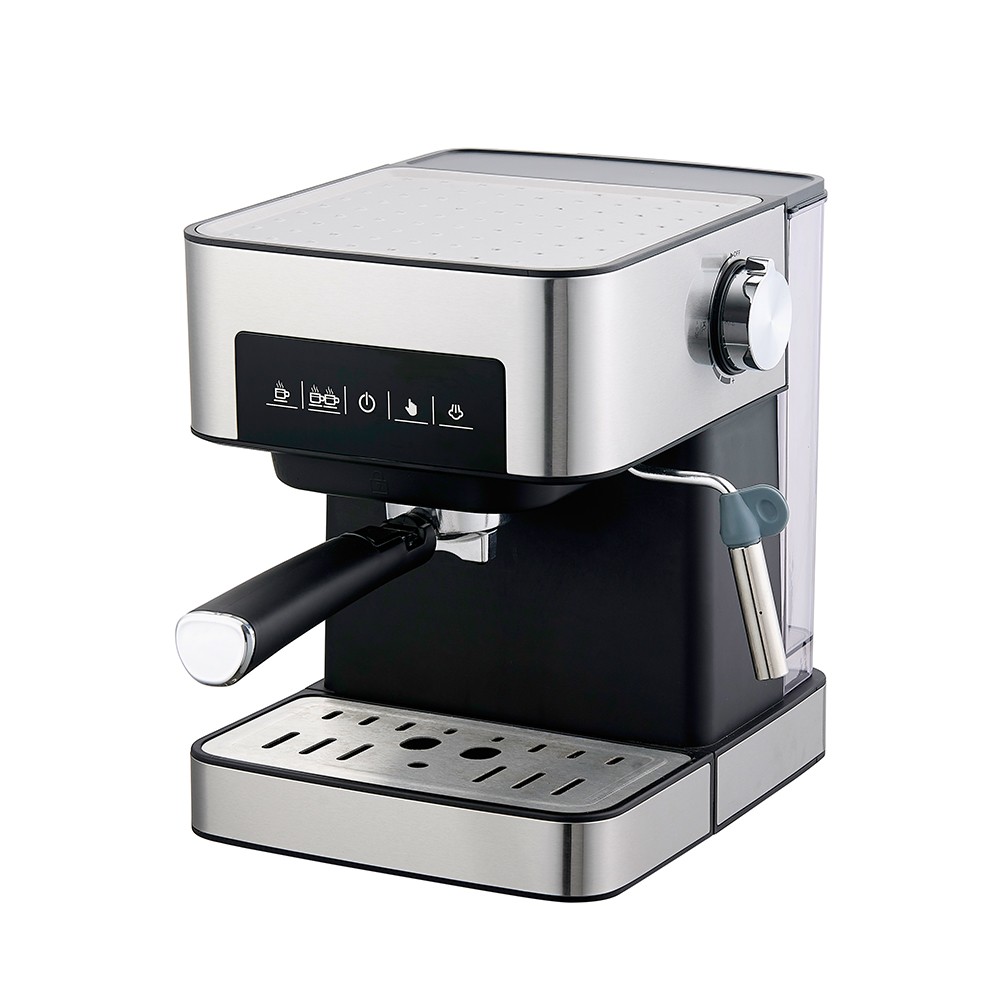
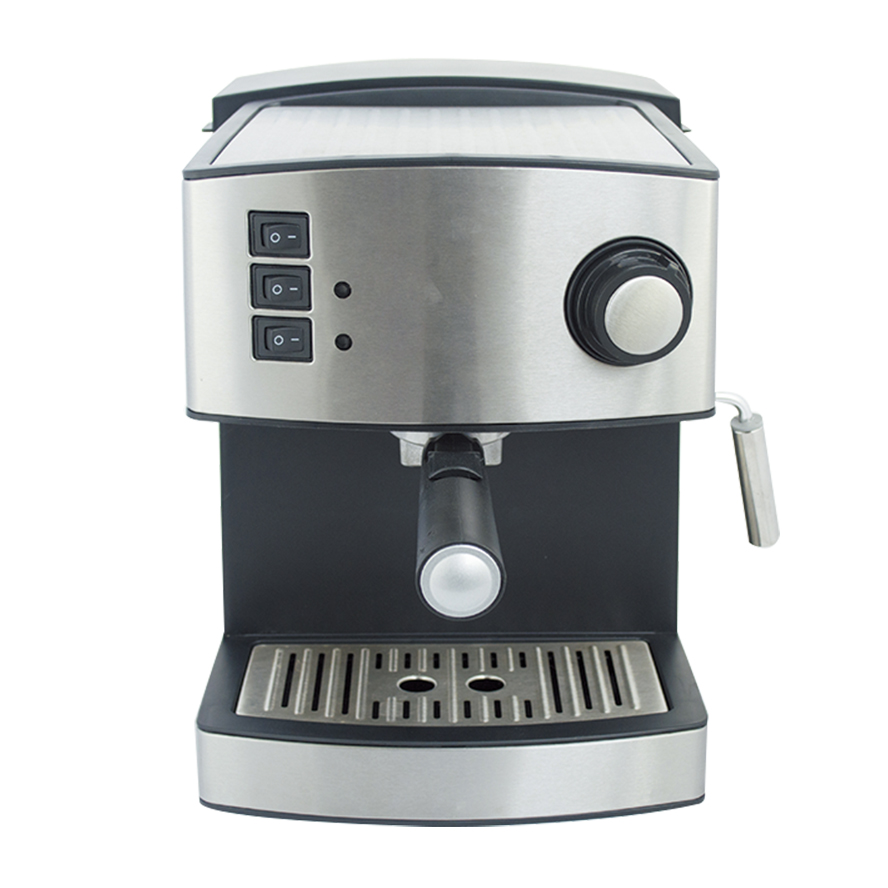
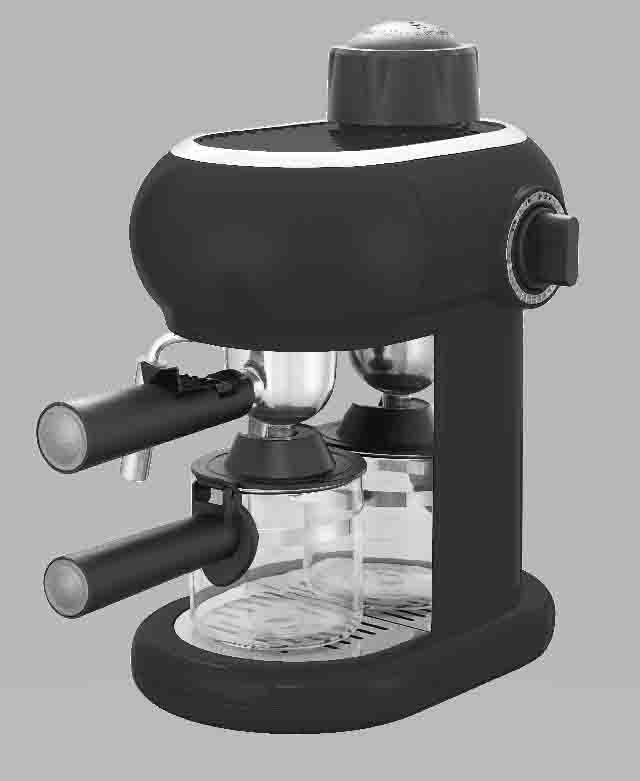
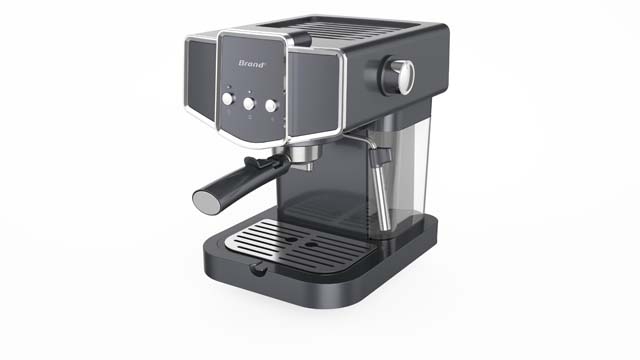
Espresso Machines
Source commercial-grade and domestic espresso machines from vetted suppliers and manufacturers. Designed for importers, appliance distributors, and brands seeking reliable OEM/ODM production, our network delivers high-performance extraction systems built to strict international compliance standards.
Sourcing espresso machines at scale requires balancing extraction precision with manufacturing consistency. The core challenge for any volume buyer lies in specifying the right internal components—pumps, boilers, and thermal controllers—while ensuring the assembly line maintains strict tolerances for water pressure and electrical safety across thousands of units.
Critical Components and Technical Specifications
The difference between a machine that produces true espresso and one that simply brews strong coffee comes down to the internal hardware. When negotiating with a factory, your bill of materials (BOM) must clearly define the pump, the heating system, and the control board.
Pump Selection and Pressure
Most consumer and prosumer machines manufactured in Asia utilize vibratory pumps, with Italian-made ULKA pumps being the industry gold standard for reliability. While marketing often highlights "15 bar" or "20 bar" pressure, technical buyers know that true espresso extraction requires a sustained 9 bar at the group head. Ensure your manufacturer includes an over-pressure valve (OPV) to regulate this flow; without it, the high static pressure of a vibratory pump will channel the coffee puck and ruin extraction.
Heating Systems: Thermoblock vs. Boilers
Your target retail price point dictates the heating architecture. Clarify the exact material (aluminum vs. brass or stainless steel) to avoid galvanic corrosion and scale buildup issues down the line.
| Heating System | Target Segment | Thermal Stability | Cost Impact |
|---|---|---|---|
| Aluminum Thermoblock | Entry-level domestic | Moderate; highly dependent on PID | Low |
| Single Boiler (Brass/SS) | Mid-range prosumer | High; requires purging for steam | Medium |
| Dual Boiler / HX | Premium & Commercial | Excellent; simultaneous brew/steam | High |
Need help verifying a factory's technical capabilities before finalizing your BOM? We can evaluate their engineering standards.
Talk to our teamManufacturing Standards and Quality Control
Espresso machines combine high heat, pressurized water, and electricity in a compact chassis. This makes rigorous Quality Control & Inspection non-negotiable. Manufacturing defects often stem from poor soldering on the PCB, improper sealing of PTFE tubes, or rushed assembly of the group head.
In-Line and Pre-Shipment Testing
A reliable supplier will have dedicated testing stations on the assembly line. During factory audits or production monitoring, verify that they perform the following:
Critical Factory-Floor Tests
- Hipot (Dielectric Withstand) Testing: Ensuring electrical insulation integrity under high voltage.
- Pressure Profiling: Verifying the OPV releases at exactly 9 to 10 bar.
- Thermal Calibration: Testing PID controller accuracy at the group head.
- Leak Testing: Pressurizing the fluid pathway to check for micro-leaks at O-ring junctions.
- Life-Cycle Testing: Running sample units through thousands of brew cycles to test pump longevity.
Furthermore, global markets require strict regulatory adherence. Work with partners who understand Compliance & Testing requirements, ensuring the factory holds valid CE, CB, RoHS, UL, or ETL certifications for the specific components used, not just the factory itself.
OEM and Private Label Customization
Many brands choose to modify existing factory molds rather than investing heavily in ground-up product development. Customizing an off-the-shelf chassis with upgraded internal components is a highly efficient route to market.
Modifying Existing Molds vs. Full Custom Tooling
Advantages
- Lower initial capital expenditure (no heavy injection mold costs).
- Significantly faster time to market (lead times drop by months).
- Proven internal component architecture reduces R&D risk.
Disadvantages
- Limited exterior design differentiation.
- Restricted to the factory's existing PCB layout and interface dimensions.
If you require unique housing, custom portafilter dimensions, or proprietary smart-app integrations, you will need dedicated OEM/ODM Services to manage the tooling design, prototyping, and intellectual property protection.
Production Economics: MOQs, Pricing, and Lead Times
Pricing in this category is highly elastic, driven by the inclusion of PID temperature control, the quality of the pump, and the housing material (plastic vs. stamped stainless steel).
Navigating tooling costs and component upgrades can be complex. Let us help you structure a cost-effective purchasing agreement.
Get a free consultationFrequently Asked Questions
Securing a reliable supply chain for espresso machines means looking past the polished exterior and scrutinizing the thermal and fluid dynamics engineered into the unit. Partnering with experienced sourcing professionals ensures your specifications are met and your production quality remains consistent, shipment after shipment.
Get Sourcing Help for Espresso Machines
Tell us your requirements and our experts will connect you with verified manufacturers.