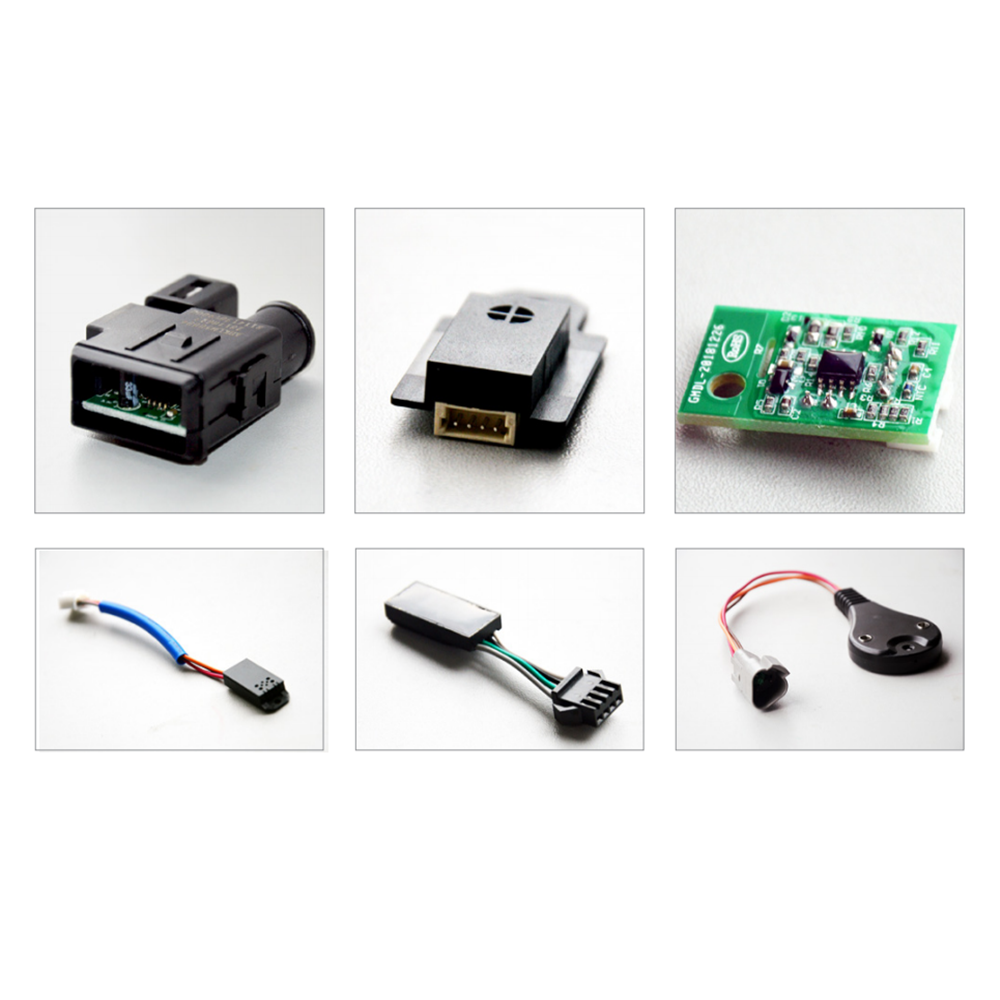
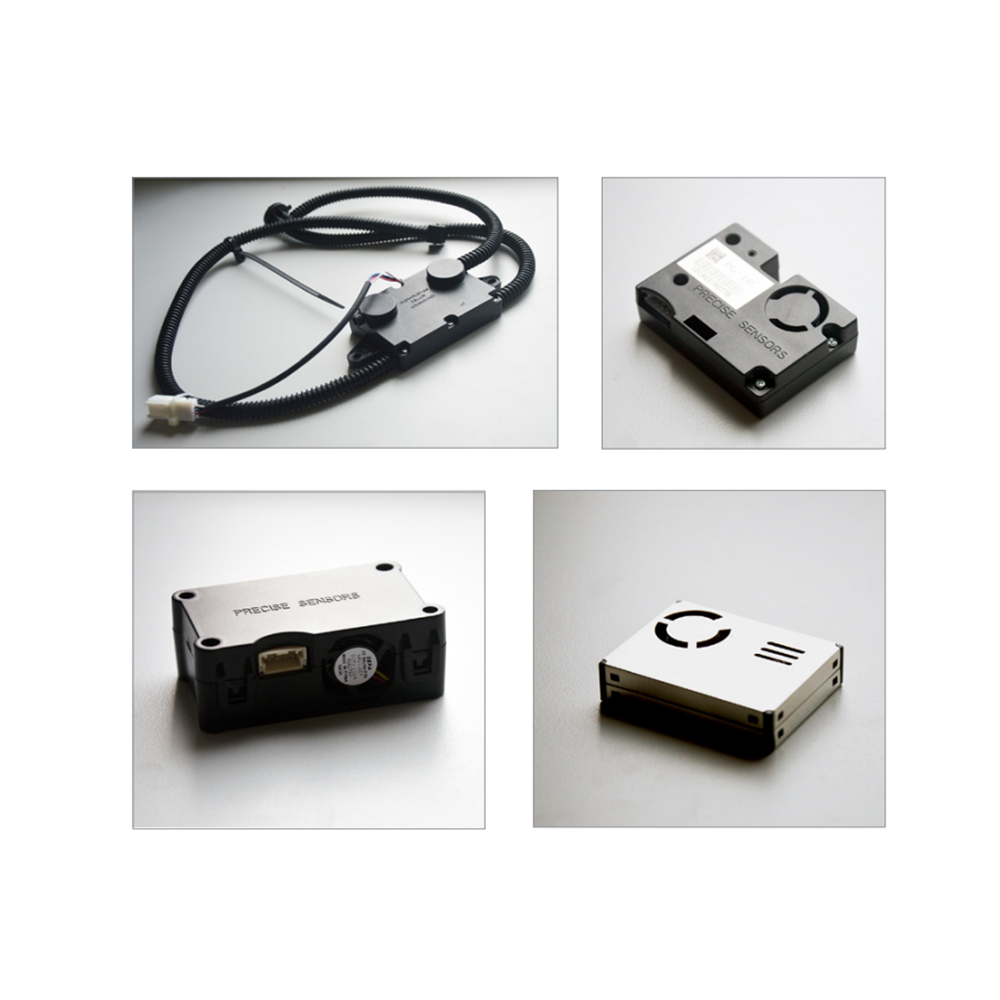
Environmental Sensors
Source commercial-grade Environmental Sensors from vetted suppliers and manufacturers across Asia. Designed for importers, distributors, and brands seeking reliable OEM production, this selection covers bulk procurement for industrial, HVAC, smart home, and agricultural monitoring systems.
Sourcing environmental sensors in volume requires navigating a fragmented supply chain where component quality, chip provenance, and calibration consistency vary wildly. Whether you are integrating these components into smart agriculture nodes, industrial HVAC controls, or consumer electronics, ensuring batch-to-batch accuracy and long-term stability is your primary procurement challenge. Relying strictly on datasheet claims without verifying factory-level testing infrastructure often leads to high field failure rates.
Critical Specifications for Volume Procurement
When evaluating a manufacturer, the datasheet is only the starting point. High-volume buyers must define strict acceptable tolerances for their specific application environments.
Key parameters to specify include:
- Accuracy and Resolution: Define the maximum acceptable error margin (e.g., plus or minus 0.2 degrees Celsius for temperature, or plus or minus 2 percent RH for humidity).
- Long-Term Drift: All sensors degrade. Specify the maximum allowable drift per year to ensure the component meets your product's expected lifecycle.
- Response Time (Tau): Critical for dynamic environments like HVAC systems. Specify the time required to reach 63 percent of the final value.
- Output Protocols: Ensure the supplier can provide the necessary interfaces, whether digital (I2C, SPI, UART) for direct microcontroller integration, or analog (voltage/current loops) for legacy industrial systems.
Need help verifying a supplier's calibration standards? Ensure your manufacturing partner has the right testing infrastructure before you commit.
Talk to our teamManufacturing Realities and Quality Control
The reliability of an environmental sensor is dictated heavily by the environment in which it is manufactured. Contamination during assembly or inadequate calibration procedures will ruin the performance of even the best silicon.
When evaluating a factory, pay close attention to their cleanroom standards and automated packaging capabilities. Wire bonding and polymer deposition for humidity sensors must be done in tightly controlled environments to prevent particulate contamination.
Furthermore, robust Quality Control & Inspection is non-negotiable. Quality is won or lost in the calibration chamber.
Factory Calibration & Testing Verification
- Presence of programmable, multi-zone environmental test chambers
- Automated multi-point calibration routines integrated into the production line
- Burn-in testing procedures for long-term stability and drift measurement
- Traceability of calibration reference standards to recognized metrology institutes
- Conformal coating or potting capabilities for harsh-environment sensors
Customization and OEM/ODM Integration
Off-the-shelf components work for standard applications, but specialized environments often demand custom solutions. If your application involves corrosive gases, extreme condensation, or heavy particulate matter, standard housings will fail.
Engaging with factories for OEM/ODM Services allows you to specify custom protective filters (like sintered PTFE caps), specialized conformal coatings for the PCB, or bespoke housing designs that balance airflow with environmental protection. Ensure your supplier has in-house tooling capabilities and experience with IP-rated (Ingress Protection) designs if your product is bound for outdoor or industrial use.
Sourcing Mechanics: MOQs, Lead Times, and Pricing
The pricing of environmental sensors is heavily dependent on the sensing element's technology (e.g., capacitive vs. resistive for humidity, NDIR vs. electrochemical for gas) and the level of factory calibration required.
Buyers should be wary of prices that fall significantly below market averages. Cheap sensors often utilize unbranded or cloned sensing chips, skip critical multi-point calibration steps, or lack proper aging processes, resulting in severe sensor drift within months of deployment. Conducting thorough Factory Audits is the most effective way to ensure a low quoted price isn't the result of skipped production steps.
Compare vetted factory pricing, verify MOQs, and secure reliable lead times for your next production run.
Get a free consultationFrequently Asked Questions
Securing a reliable supply of environmental sensors requires looking past the datasheet to understand the factory's actual production and calibration capabilities. The cheapest component often becomes the most expensive when you factor in the cost of field failures and brand damage. Partnering with experienced sourcing professionals ensures your supply chain is built on verified technical competence, not just competitive quotes.
Get Sourcing Help for Environmental Sensors
Tell us your requirements and our experts will connect you with verified manufacturers.