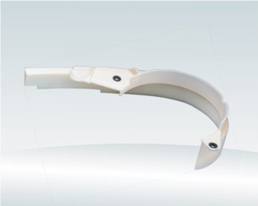
ENT & Ophthalmic Surgical Instruments
Source premium ENT and ophthalmic surgical instruments in bulk from vetted manufacturers and suppliers. Designed for medical device distributors, healthcare procurement groups, and brands seeking OEM or private-label production, this selection offers precision-engineered instruments meeting strict international clinical standards.
Precision Engineering in ENT & Ophthalmic Sourcing
Micro-surgical instruments used in otolaryngology (ENT) and ophthalmology operate on a scale where standard manufacturing tolerances are entirely insufficient. Sourcing these instruments in volume means identifying factories capable of consistent multi-axis CNC machining, flawless electropolishing, and rigorous metallurgical control. A deviation of fractions of a millimeter in a micro-forceps tip or a phacoemulsification handpiece can render the tool clinically useless.
Material Selection and Metallurgy
The baseline for reusable surgical instruments is martensitic stainless steel (typically 410, 420, or 440 series) due to its hardenability and edge retention. However, ophthalmic micro-instruments frequently utilize titanium alloys (such as Ti-6Al-4V) for their high strength-to-weight ratio and non-magnetic properties, which are critical when working under specialized microscopes.
| Material | Primary Use Case | Key Advantage | Common Pitfall |
|---|---|---|---|
| 420 Stainless Steel | Cutting instruments (scissors, rongeurs) | Excellent edge retention after heat treatment | Susceptible to pitting if improperly passivated |
| 316L Stainless Steel | Non-cutting components, speculums | High corrosion resistance | Too soft for precise cutting edges |
| Titanium Alloy | Micro-forceps, needle holders | Lightweight, non-magnetic | Higher raw material and machining costs |
Struggling to find factories that consistently meet micro-surgical tolerances? Let us vet the market for you.
Talk to our teamManufacturing Processes and Quality Control
The difference between a premium instrument and a reject often comes down to the finishing processes. Passivation and electropolishing are critical to removing free iron from the surface, creating a chromium-rich oxide layer that prevents rust during repeated autoclave sterilization cycles.
Verifying a factory's passivation line and cleanroom assembly requires rigorous Factory Audits before placing high-volume orders. Furthermore, implementing strict Quality Control & Inspection protocols is necessary to catch burrs, misaligned tips, or faulty box locks under magnification before shipment.
Critical QC Checks for Micro-Instruments
- Tip alignment under 10x to 40x magnification
- Smoothness of box locks and hinge mechanisms
- Passivation verification (copper sulfate test)
- Hardness testing (Rockwell C scale) for cutting edges
- Glare-reduction finish consistency (matte/ebonized)
OEM Development and Custom Tooling
Many brands require modifications to standard patterns—such as altering the handle knurling, adjusting the jaw angle, or adding tungsten carbide (TC) inserts. Utilizing dedicated OEM/ODM Services allows you to develop proprietary instruments tailored to specific surgical techniques. Keep in mind that custom forging dies or specialized CNC programming will increase initial lead times and require higher upfront capital.
Regulatory Compliance
Medical instruments are heavily regulated. Depending on your destination market, suppliers must hold valid ISO 13485 certifications, and the products themselves may require FDA 510(k) clearance or CE marking. Engaging in proper Compliance & Testing early in the sourcing process prevents costly customs seizures and ensures your products are legally cleared for distribution.
Typical MOQs, Pricing, and Lead Times
Production economics for surgical instruments depend heavily on whether the item is forged or CNC machined directly from bar stock.
Ready to optimize your medical device supply chain and negotiate better bulk pricing?
Get a free consultationFrequently Asked Questions
Sourcing ENT and ophthalmic surgical instruments demands exact metallurgical standards and flawless finishing. Partnering with experienced sourcing professionals ensures your supply chain remains reliable, compliant, and cost-effective, allowing you to focus on distribution and brand growth.
Get Sourcing Help for ENT & Ophthalmic Surgical Instruments
Tell us your requirements and our experts will connect you with verified manufacturers.