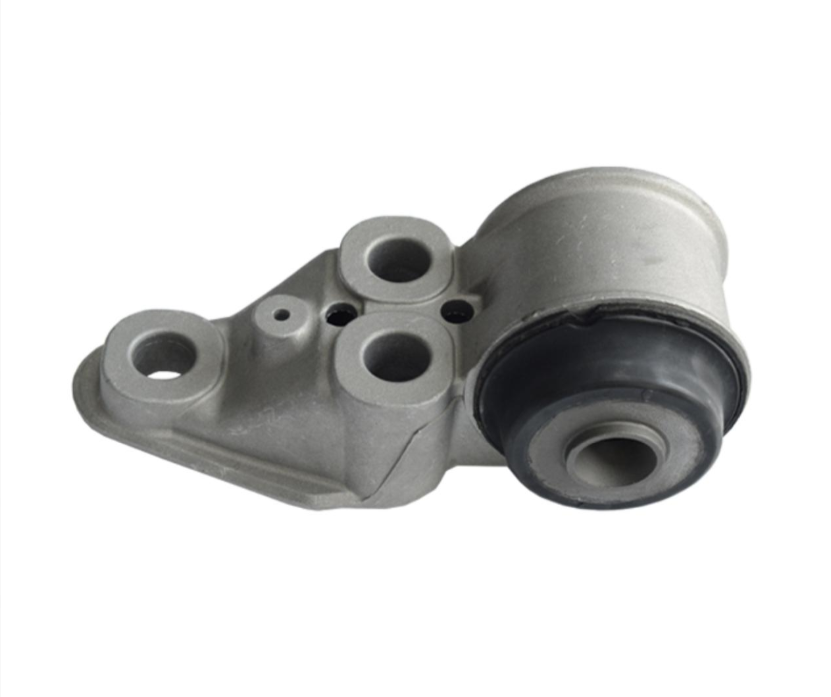
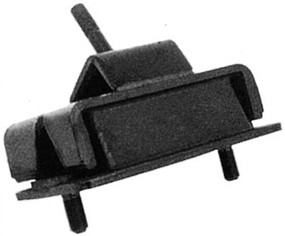
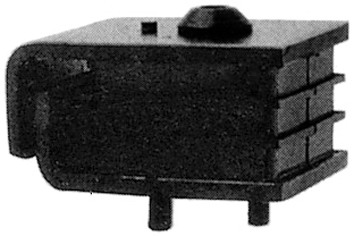
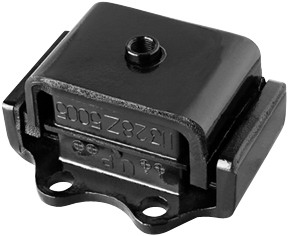
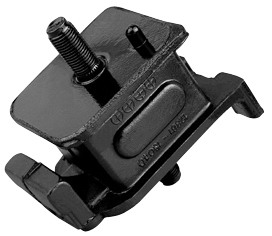
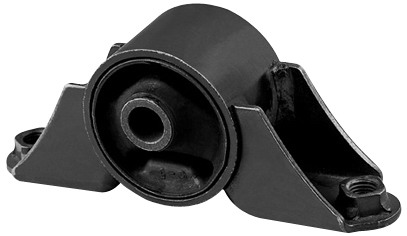
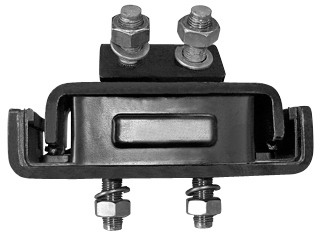
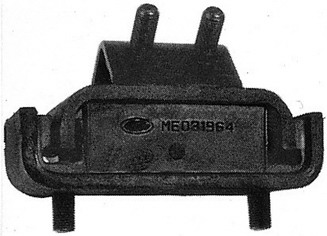
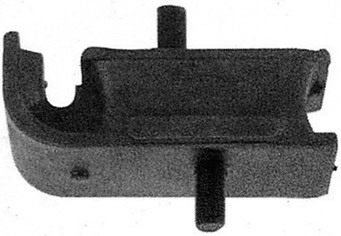
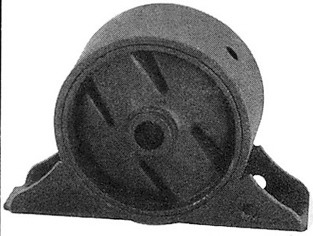
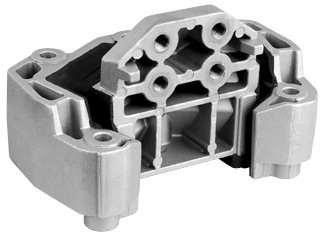
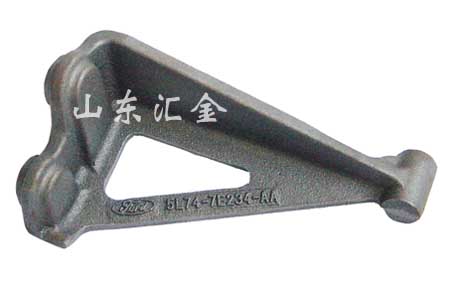
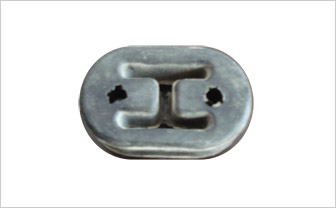
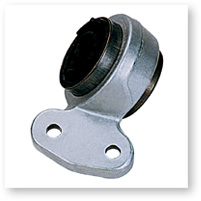
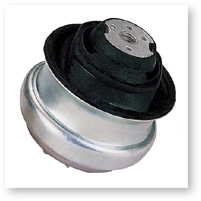
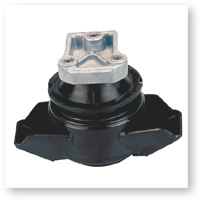
Engine Mounts
Source premium Engine Mounts from vetted manufacturers and wholesale suppliers in China and across Asia. Designed for auto parts distributors, importers, and brands requiring reliable OEM and private-label production. Secure competitive bulk pricing with rigorous quality control for aftermarket and OEM applications.
Engine mounts are critical NVH (noise, vibration, and harshness) components that dictate vehicle ride quality and engine longevity. The primary sourcing challenge lies in the unseen: poor rubber-to-metal bonding, substandard rubber compounding, or incorrect fluid viscosity in hydro-mounts will fail under dynamic loads, but these defects are invisible to the naked eye. Securing reliable wholesale engine mounts requires rigorous supplier vetting, an understanding of the vulcanization process, and strict adherence to technical specifications.
Critical Specifications for Bulk Buyers
When sourcing engine mounts, specifying "fits model X" is insufficient for ensuring long-term reliability. Procurement managers must define the physical and chemical properties of the mount to prevent factories from substituting cheaper materials.
Key specifications to define with your manufacturer include:
- Elastomer Compound: Natural rubber (NR) is standard for its superior tear resistance and dynamic fatigue properties, but some applications require EPDM or Neoprene blends for enhanced heat and ozone resistance.
- Metal Substrate & Treatment: Specify the grade of stamped steel or cast aluminum. The metal must undergo proper surface preparation (typically sandblasting and phosphating) before the bonding agent is applied.
- Shore Hardness: The rubber's durometer rating (typically Shore A 45 to 75) must exactly match the OEM specification to tune out specific engine frequencies.
- Hydraulic Fluid: For fluid-filled mounts, the propylene glycol or silicone fluid must maintain stable viscosity across extreme temperature ranges (from negative 40 to over 120 degrees Celsius).
| Mount Type | Damping Mechanism | Manufacturing Complexity |
|---|---|---|
| Solid Rubber Mounts | Elastomer flexibility | Low (Standard vulcanization) |
| Hydraulic Mounts | Fluid chambers & internal valves | High (Requires fluid sealing & crimping) |
| Active/Electronic Mounts | Vacuum or electromagnetic actuators | Very High (Requires electronic integration) |
Struggling to find engine mount manufacturers with verified quality systems and reliable bonding processes?
Talk to our teamManufacturing Vulnerabilities: Where Quality is Won or Lost
The difference between a premium aftermarket mount and one that fails within 10,000 miles almost always comes down to the factory floor controls. When conducting factory audits, focus heavily on the vulcanization and bonding stages.
Rubber Mixing and Maturation
The raw rubber must be milled with carbon black, sulfur, and accelerators precisely. Poor dispersion leads to weak spots in the final mount.
Surface Preparation
Metal brackets must be thoroughly degreased and chemically treated. If the adhesive is applied to contaminated metal, the rubber will peel away under load.
Vulcanization
Temperature and pressure must be strictly controlled in the molding press. Under-curing leaves the rubber soft and weak; over-curing makes it brittle.
Fluid Injection & Sealing
For hydro-mounts, the fluid must be injected without trapping air bubbles, and the metal housing must be crimped with exact force to prevent leaks.
Quality Control and Testing Standards
Visual inspections alone are inadequate for engine mounts. A robust quality control plan must include destructive and non-destructive laboratory testing prior to shipment. Ensure your supplier has in-house testing equipment or partner with a third-party lab.
Essential Pre-Shipment Tests for Engine Mounts
- Dynamic stiffness and damping angle testing (NVH performance)
- Rubber-to-metal peel strength testing (destructive)
- Ozone and thermal aging tests (environmental durability)
- Tensile strength and elongation at break (rubber quality)
- High-pressure leak testing for hydraulic mounts
Pricing Drivers, Tooling, and MOQs
The cost of importing engine mounts is heavily influenced by the complexity of the mount and whether you are buying off-the-shelf aftermarket designs or developing custom components through OEM/ODM services.
- Minimum Order Quantities (MOQs): For existing aftermarket molds, factories typically require 300 to 500 pieces per SKU. For custom designs requiring new tooling, MOQs often start at 1,000 pieces to offset setup costs.
- Tooling Costs: Developing a new mold for a solid rubber mount typically ranges from $1,500 to $3,000. Complex hydraulic or active mounts require multiple molds and assembly jigs, pushing tooling costs significantly higher.
- Lead Times: Standard production runs take 30 to 45 days. If new tooling is required, add an additional 30 to 40 days for mold creation and sample approval (T1 samples).
Need accurate pricing, tooling estimates, and lead times for your custom engine mount catalog?
Get a free consultationFrequently Asked Questions
Sourcing engine mounts at scale is an exercise in technical risk management. Success requires moving beyond unit price and deeply evaluating a supplier's compounding, bonding, and testing capabilities. By partnering with experts who understand the nuances of automotive elastomer manufacturing, you can build a resilient supply chain that delivers uncompromising quality.
Get Sourcing Help for Engine Mounts
Tell us your requirements and our experts will connect you with verified manufacturers.