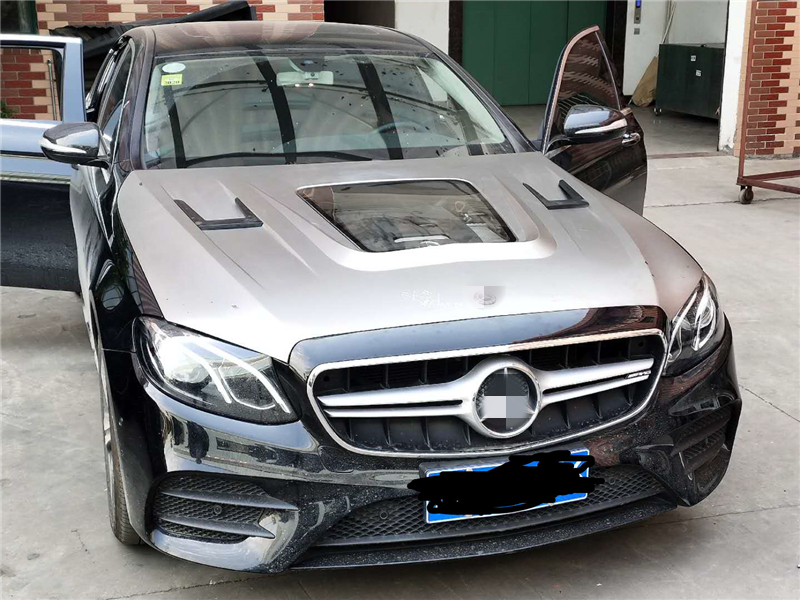
Engine Hoods
Source premium Engine Hoods from vetted manufacturers and suppliers across Asia. Built for automotive importers, wholesale distributors, and aftermarket brands seeking reliable OEM and private-label production. Secure competitive bulk pricing and consistent quality for your auto body supply chain.
Engine hoods are high-visibility, structurally critical auto body components. When sourcing these panels in volume, the primary challenges extend far beyond finding a factory with large-tonnage stamping presses. Procurement managers must navigate strict dimensional tolerances for gap and flush, ensure uniform electrophoretic deposition (EDP) coatings to prevent premature corrosion, and solve the complex logistics of shipping highly vulnerable, low-density freight without incurring transit damage.
Material Specifications & Manufacturing
The material choice dictates not only the unit cost but also the complexity of the stamping dies and the factory's required capabilities.
| Material | Typical Gauge | Primary Market | Manufacturing Nuances |
|---|---|---|---|
| Cold-Rolled Steel | 0.7mm to 0.9mm | Standard Aftermarket / Collision Repair | Requires heavy-tonnage hydraulic presses and robust EDP primer coating. |
| Aluminum Alloy (6000 Series) | 0.9mm to 1.2mm | Premium / EV Replacement | Prone to springback during stamping; requires specialized tooling and hemming processes. |
| Carbon Fiber / FRP | Variable | Performance / Tuning Upgrades | Labor-intensive lay-up process; clear coat UV resistance is the primary quality failure point. |
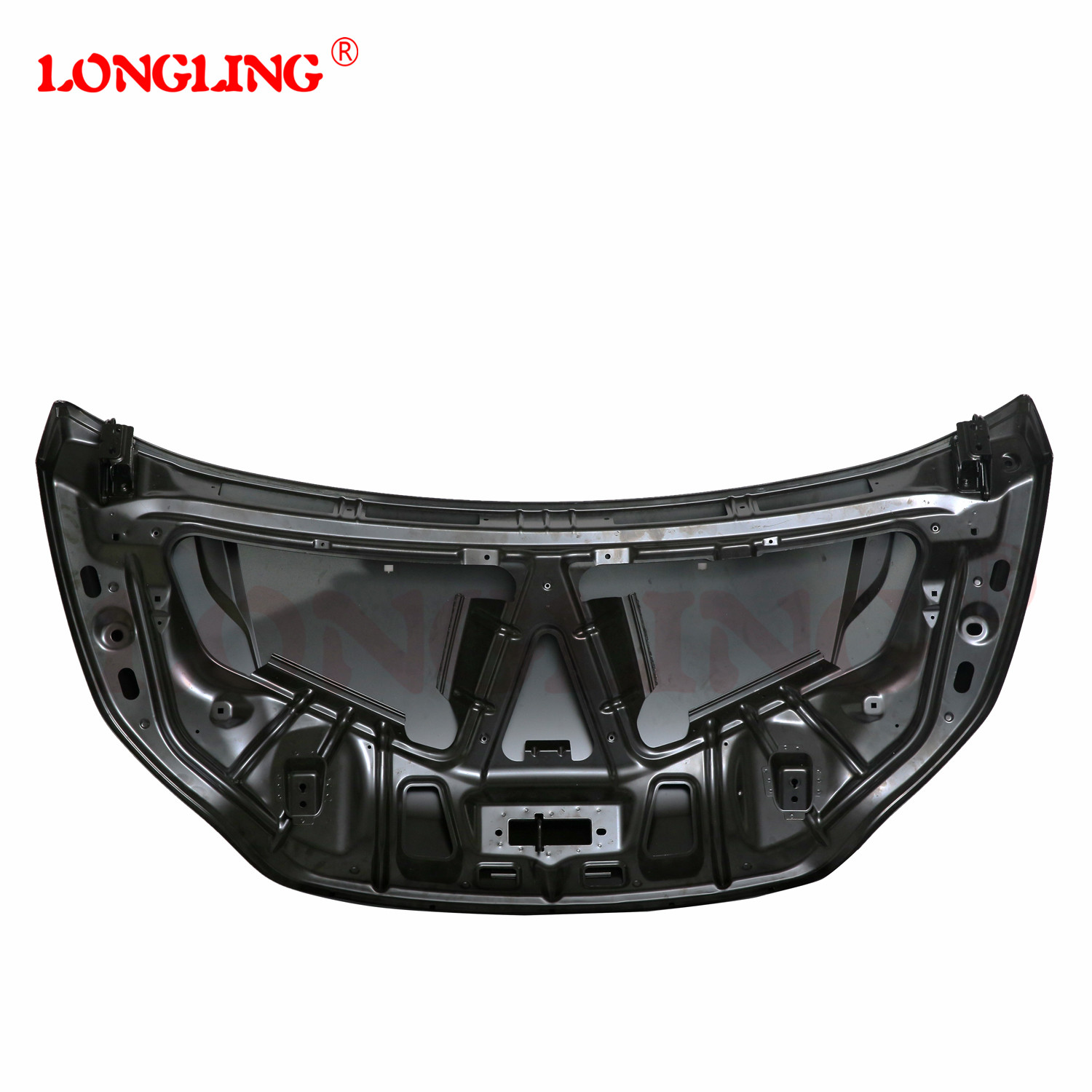
For standard steel and aluminum hoods, the inner and outer panels are stamped separately and joined via a hemming process. Structural adhesives and NVH (Noise, Vibration, and Harshness) dampening mastics are applied between the panels. If a supplier cuts corners on the NVH mastic, the hood will flutter at highway speeds—a critical defect that is often only discovered after end-user installation.
Struggling with inconsistent fitment or high defect rates from your current stamping supplier? We can audit your factories and stabilize your production.
Talk to our teamQuality Control & Fitment Tolerances
A hood that is off by just 2mm will cause severe alignment issues with the fenders and front bumper cover. Rigorous Quality Control & Inspection is mandatory before these bulky items are loaded into a container.
When evaluating a supplier's quality management system, look for factories that utilize dedicated CMM (Coordinate Measuring Machine) checking fixtures for every specific vehicle SKU they produce.
Critical QC Checkpoints for Engine Hoods
- Dimensional Accuracy: Verification against OEM-spec checking fixtures for gap and flush tolerances.
- EDP Coating Thickness: Primer must measure between 15 and 25 microns uniformly to pass salt-spray corrosion tests.
- Hem Flange Integrity: Inspect the perimeter hem for proper sealing and absence of metal tearing or rippling.
- Latch Striker Pull-Strength: Destructive testing on sample units to ensure the primary safety latch welds can withstand high wind shear.
- Surface Finish: Visual inspection under high-lumen lighting to catch stamping ripples, die marks, or high spots.
Sourcing Mechanics: MOQs, Tooling, and Logistics
Tooling and OEM/ODM Production
If you are developing custom hoods (e.g., vented performance hoods or localized aftermarket designs), you will need to invest in custom stamping dies. Tooling for a complete inner and outer hood assembly requires significant capital, often ranging from $30,000 to $80,000 USD depending on the complexity and press tonnage required. Engaging professional OEM/ODM Services ensures your tooling IP is protected and the dies are engineered for maximum lifespan (typically rated for 100,000 to 300,000 strikes).
Typical MOQs and Production Lead Times
For existing aftermarket SKUs where the supplier already owns the tooling, Minimum Order Quantities (MOQs) usually range from 30 to 50 units per SKU. Production lead times for standard orders typically run 30 to 45 days. However, if new tooling is required, add an additional 45 to 60 days for die design, CNC machining, and first-article approval.
Packaging and Freight Considerations
Shipping engine hoods is effectively "shipping air." They cube out a shipping container long before they weigh it out. Furthermore, the corners and edges are highly susceptible to drop damage.
Packaging Protocol
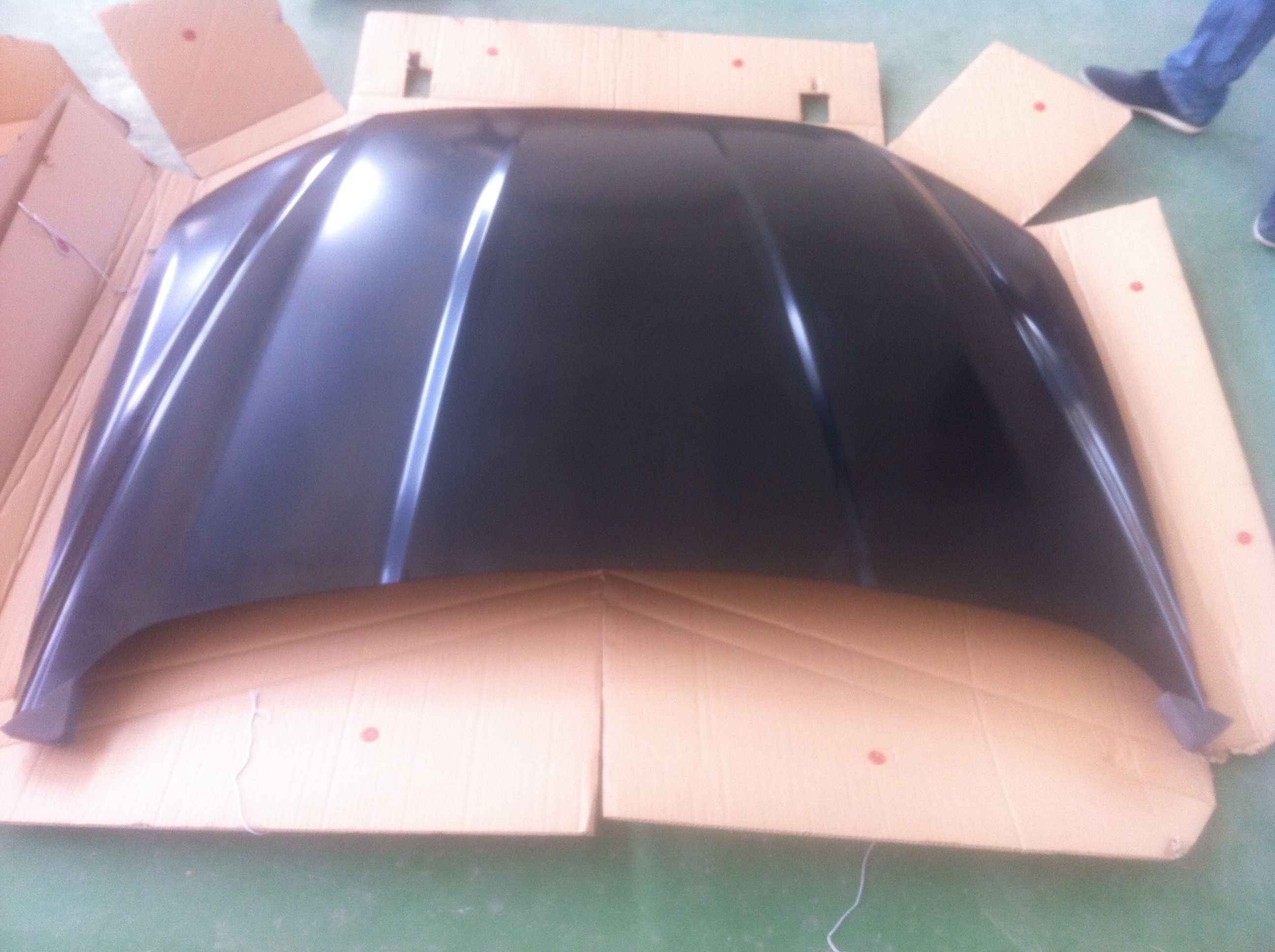
Never accept bare or minimally wrapped hoods for ocean freight. Ensure your supplier uses heavy-duty, multi-wall corrugated cartons with custom-molded EPS foam corner protectors. Hoods should be palletized vertically in custom racks to maximize container space and prevent crushing.
Optimizing container loads by mixing hoods with higher-density auto parts (like control arms or brake components) is a vital strategy to reduce landed costs. Coordinating this requires precise Shipping & Freight management and consolidation at the port of origin.
Need to consolidate bulky auto body panels from multiple factories into single shipments? We manage the logistics, QC, and loading process.
Get a free consultationFrequently Asked Questions
Sourcing engine hoods profitably requires balancing the high capital costs of tooling with the intensive logistical demands of shipping fragile, oversized freight. Success in this category belongs to buyers who prioritize strict dimensional QC and engineered packaging over the lowest per-unit stamping cost.
Get Sourcing Help for Engine Hoods
Tell us your requirements and our experts will connect you with verified manufacturers.