Engine Assemblies
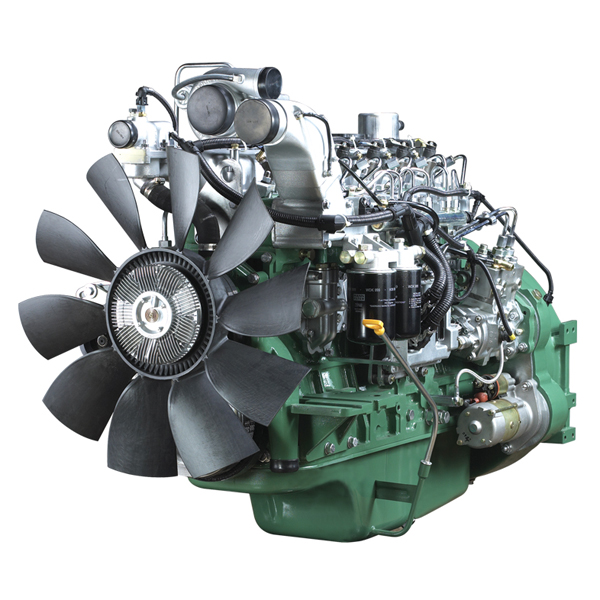
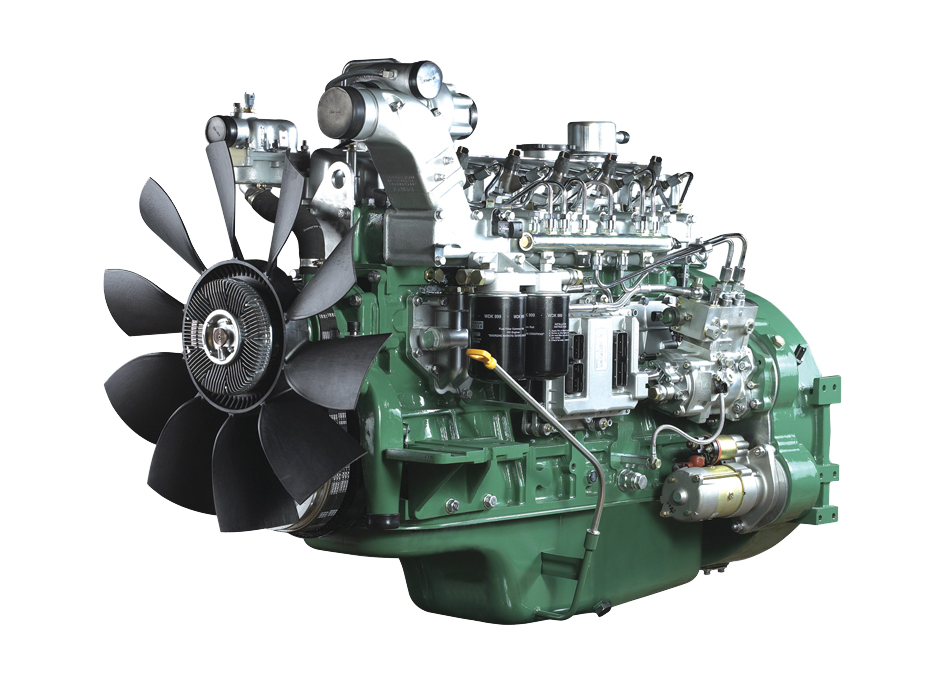
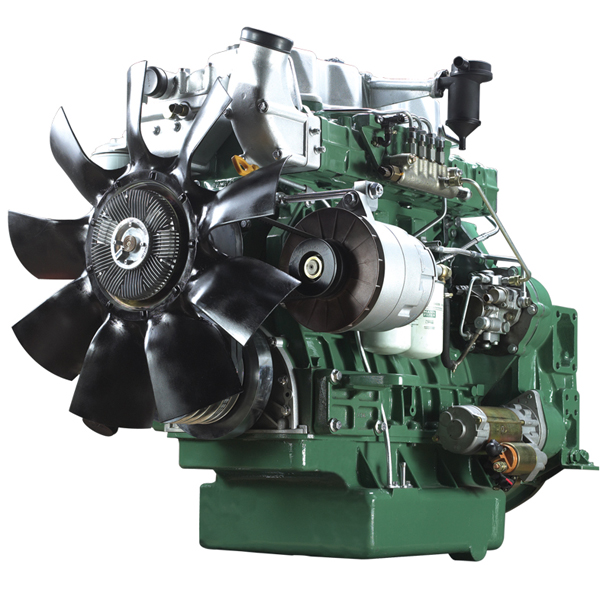
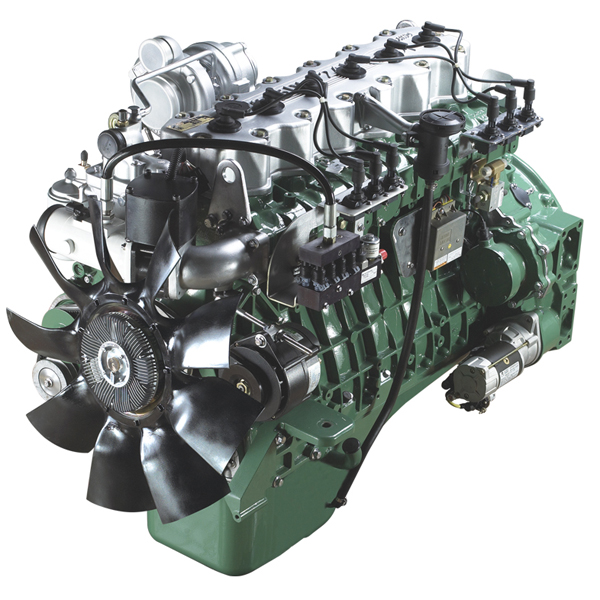
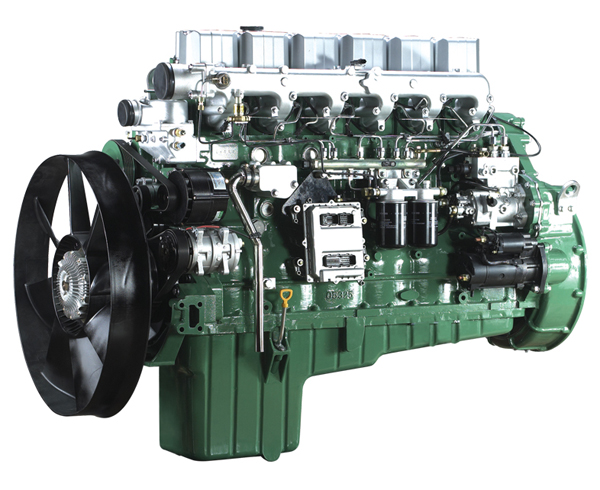
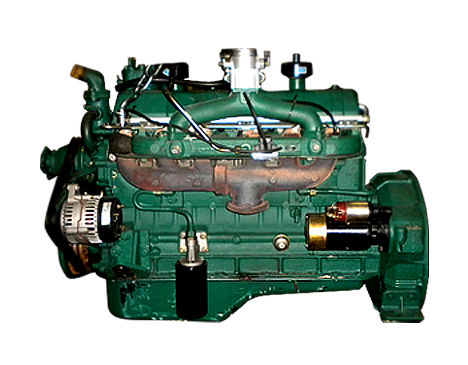
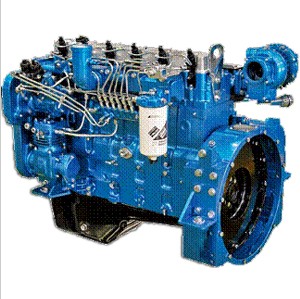
Source premium engine assemblies from vetted suppliers and manufacturers across China and Asia. Designed for automotive parts importers, wholesale distributors, and brands seeking reliable OEM production, our network offers scalable bulk purchasing and high-performance manufacturing solutions.
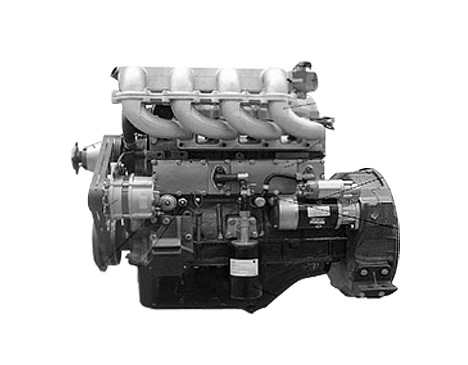
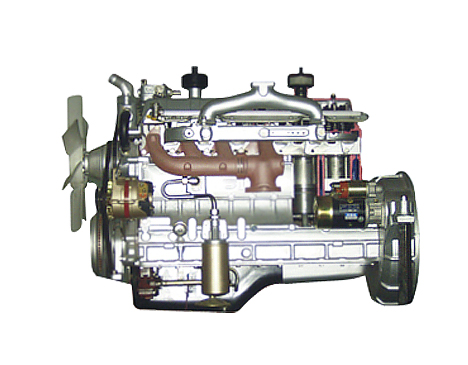
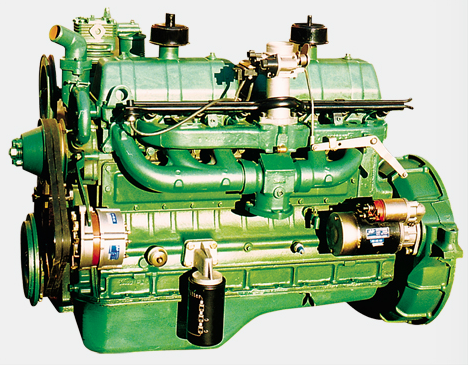
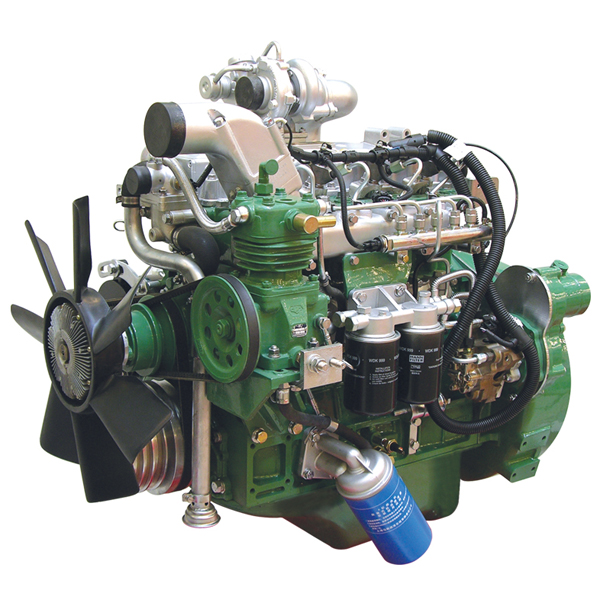
Sourcing complete automotive engine assemblies requires exacting technical alignment and rigorous supply chain oversight. Whether you are procuring short blocks, long blocks, or complete drop-in engines, this is a high-liability category where manufacturing tolerances directly dictate product lifespan and market reputation. Securing a reliable supply chain means validating a factory's machining capabilities, assembly protocols, and testing infrastructure before committing to volume production.
Key Specifications for Engine Assembly Procurement
When engaging with manufacturers, precise technical documentation is non-negotiable. Beyond the basic engine configuration (inline, V-type, flat) and displacement, buyers must clearly define the scope of the assembly.
| Assembly Type | Components Included | Best For |
|---|---|---|
| Short Block | Engine block, crankshaft, connecting rods, pistons | Rebuilders and performance shops adding custom heads |
| Long Block | Short block plus cylinder head(s), camshafts, valvetrain | Standard replacement markets and general repair distributors |
| Complete Engine | Long block plus intake/exhaust manifolds, fuel system, ignition, sensors | Turnkey drop-in replacements and OEM vehicle production |
You must also specify the block material (typically cast iron for durability in heavy-duty applications, or cast aluminum for weight reduction in passenger vehicles), compression ratios, and target emissions standards (such as Euro VI or EPA compliance). If you are developing proprietary performance engines, utilizing OEM/ODM Services ensures your intellectual property is protected while tailoring the casting and machining to your exact specifications.
Manufacturing Tolerances and Quality Milestones
The difference between a reliable engine and a warranty nightmare is decided on the factory floor. High-tier manufacturers utilize multi-axis CNC machining centers to ensure precise cylinder bore geometry and deck flatness.
Critical areas to evaluate during production include:
- Cylinder Honing: The cross-hatch pattern must retain oil effectively without causing excessive piston ring wear.
- Dynamic Balancing: The rotating assembly (crankshaft, rods, pistons) must be balanced to strict tolerances to prevent destructive harmonic vibrations at high RPMs.
- Clearance Verification: Main bearing and rod bearing clearances must be measured and documented for every unit.
Navigating factory capabilities for complex automotive components can be risky. Let us help you identify and vet manufacturers with proven machining and assembly infrastructure.
Talk to our teamQuality Control and Defect Prevention
Because engine assemblies are enclosed systems, post-assembly inspection is inherently limited. Quality must be verified in-line. We strongly recommend implementing rigorous Quality Control & Inspection protocols that include both cold testing and hot testing.
Critical Inspection Checkpoints
- Cold Test: Motoring the engine to check oil pressure, compression, and rotational torque without fuel.
- Hot Test: Running the engine under load to verify cooling system integrity, emissions, and power output.
- Leak-Down Testing: Ensuring valve seating and piston ring sealing meet specified tolerances.
- Torque Verification: Auditing the torque values of critical fasteners (head bolts, main caps) against engineering specs.
- Cleanliness Audit: Verifying the removal of all casting sand and machining swarf from internal coolant and oil galleys.
Before placing a volume order, conducting comprehensive Factory Audits is essential to verify the supplier possesses the necessary TS16949 / IATF 16949 certifications and maintains properly calibrated testing equipment.
MOQs, Pricing, and Production Lead Times
Engine assemblies are capital-intensive products. Pricing is heavily influenced by raw material costs (aluminum/steel), the complexity of the valvetrain, and the level of assembly required.
Because engines are dense, heavy freight, logistics costs make up a significant portion of the landed unit price. Proper packaging—typically bolted to custom steel or heavy-duty wooden skids—is required to prevent transit damage. Coordinating with experienced Shipping & Freight forwarders ensures container space is optimized and customs clearance for automotive parts is handled smoothly.
Need to lock in reliable pricing and secure stable production capacity? Speak with our sourcing experts to optimize your automotive supply chain.
Get a free consultationFrequently Asked Questions
Successfully sourcing engine assemblies requires looking past the quoted unit price to evaluate the manufacturer's engineering discipline, quality control infrastructure, and financial stability. By establishing strict technical standards and enforcing rigorous in-line inspections, buyers can secure reliable, high-performance engines that protect their brand's reputation in the automotive aftermarket.
Get Sourcing Help for Engine Assemblies
Tell us your requirements and our experts will connect you with verified manufacturers.