Emergency Tools
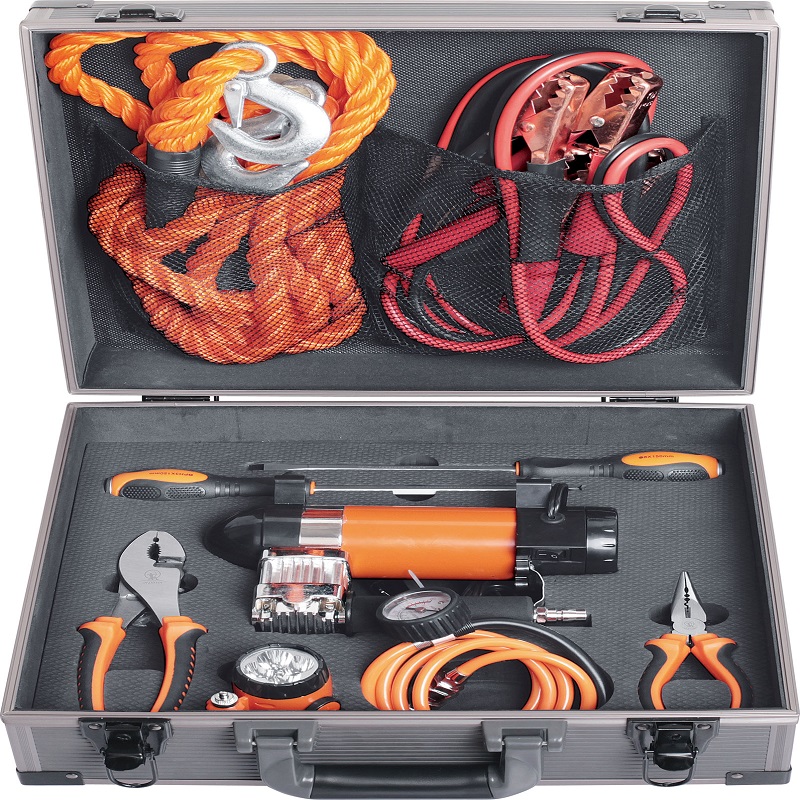
Source high-quality vehicle emergency tools directly from vetted manufacturers and wholesale suppliers. Designed for importers, distributors, and brands seeking reliable OEM and private-label production, our network delivers bulk automotive safety equipment built to exact specifications and international compliance standards.
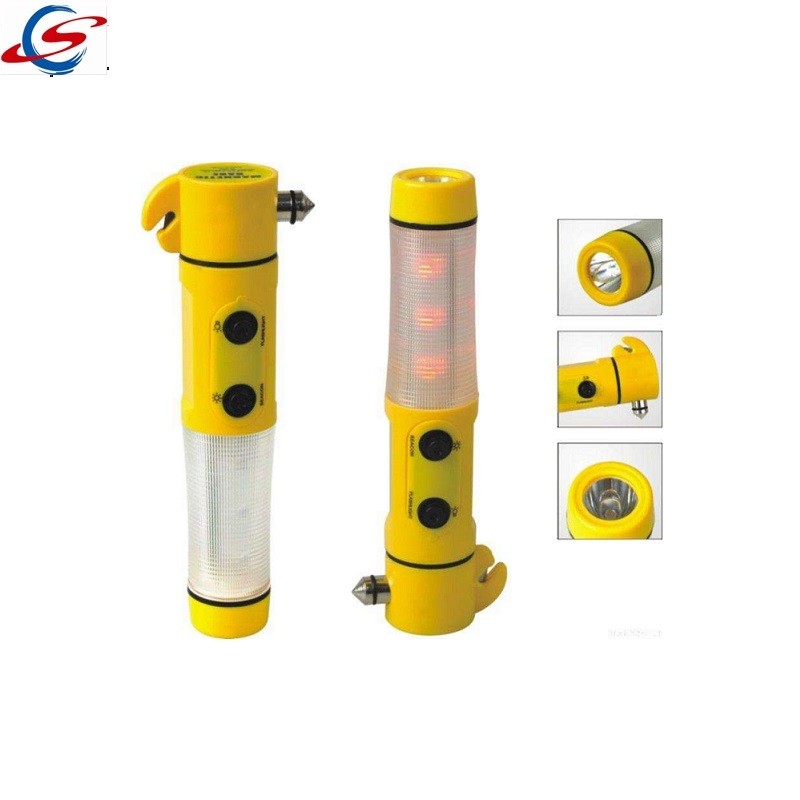
Sourcing automotive emergency tools requires balancing strict safety standards with cost-effective bulk manufacturing. Whether you are importing safety hammers, electronic warning flares, or multi-function escape tools, the core challenge remains the same: these products often sit dormant in extreme vehicle environments for years, yet must perform flawlessly in a split-second crisis.
For professional buyers, ensuring that a supplier's manufacturing tolerances match your performance requirements is the difference between a life-saving tool and a costly liability.
Critical Specifications & Material Selection
The reliability of an emergency tool is dictated entirely by its raw materials. Cutting corners on metal hardness or plastic thermal resistance is the most common way unverified factories reduce wholesale prices.
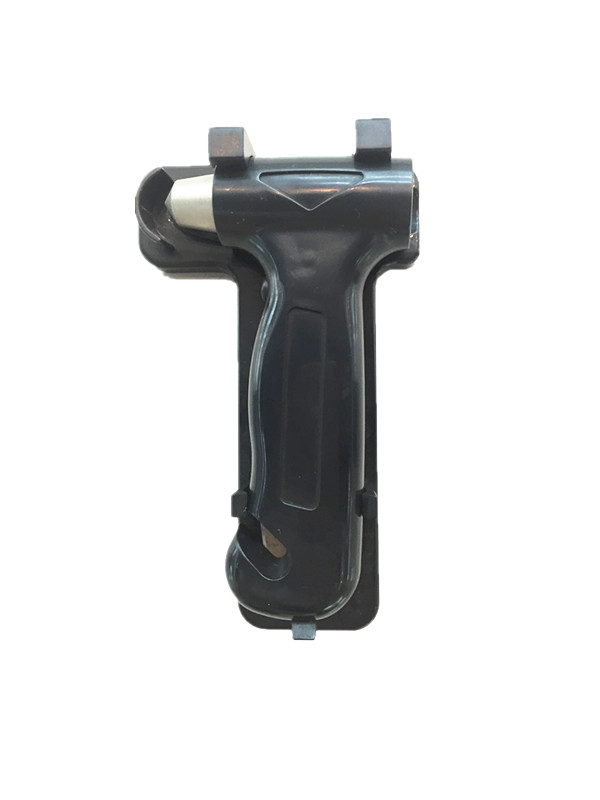
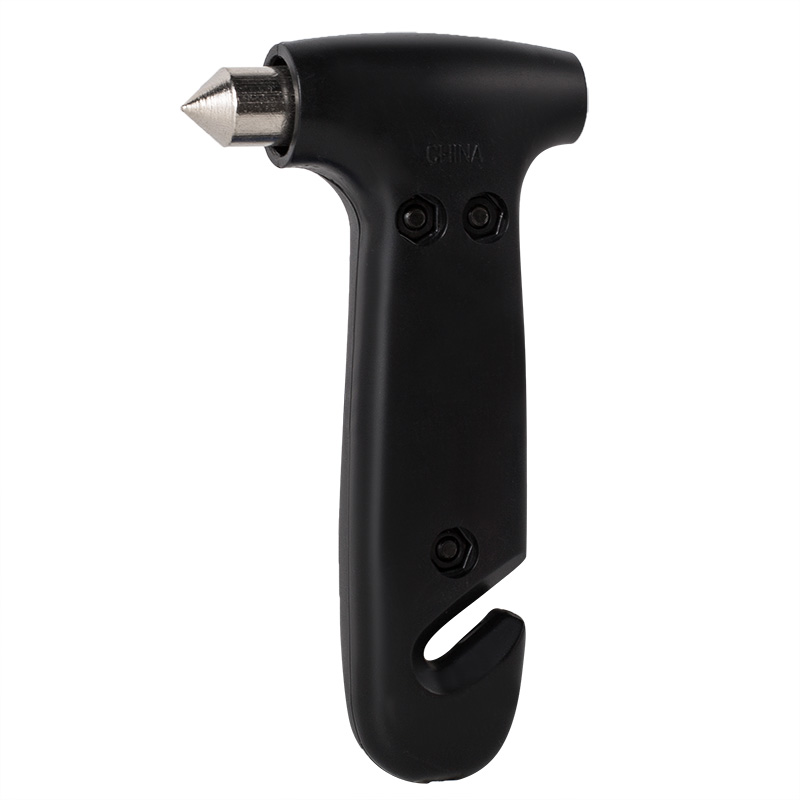
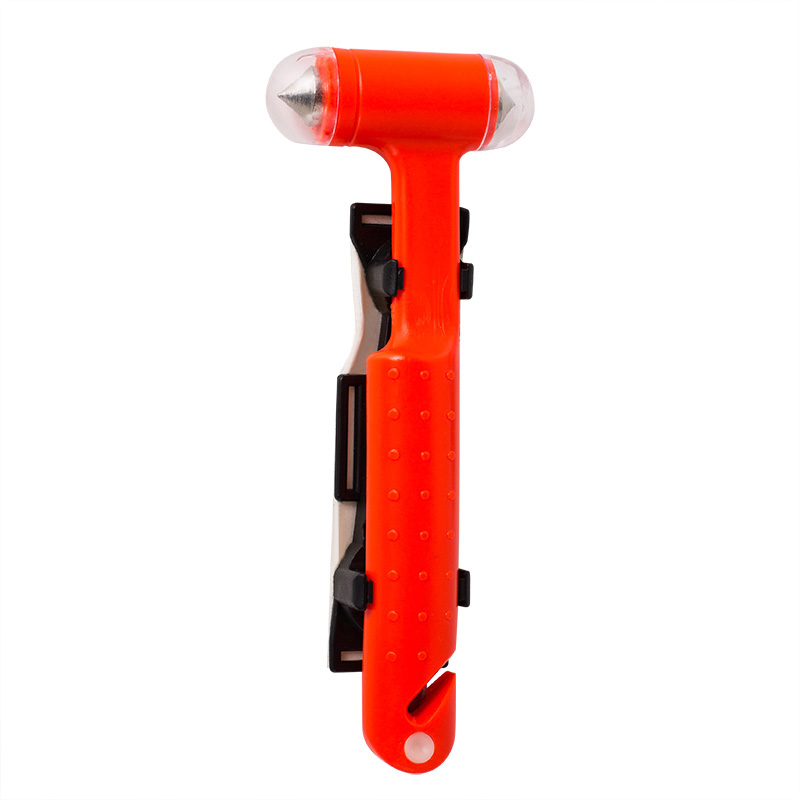
- Striker Heads: For glass breakers, the striker tip must be made of tungsten steel or high-carbon steel with a hardness rating of HRC 55 or higher. Zinc alloy components, often found in ultra-low-cost variants, will deform or shatter against modern tempered automotive glass.
- Cutting Blades: Seatbelt cutter blades should utilize SK5 high-carbon steel or 420J2 stainless steel to maintain an edge over time. The blade housing must be precisely molded so the blade is recessed enough to prevent accidental injury, but exposed enough to immediately catch standard polyester seatbelt webbing.
- Polymer Housings: Cabin temperatures can routinely exceed 85 degrees Celsius in direct sunlight. Housings must be injection-molded from high-grade Polycarbonate (PC) or heat-resistant ABS. Standard plastics will warp, become brittle, or off-gas over time, compromising the tool's structural integrity.
| Material | Durability | Cost Impact | Best Application |
|---|---|---|---|
| Tungsten Steel | Extreme | High | Premium glass breakers |
| Carbon Steel (HRC 55+) | High | Medium | Standard safety hammers |
| Zinc Alloy | Low (Fails on glass) | Low | Avoid for strikers |
Manufacturing & Quality Control
A poorly manufactured emergency tool is a severe liability. Relying on visual inspections is insufficient; you need rigorous quality control and inspection protocols integrated directly into the production cycle.
Defects in this category usually stem from poor injection molding (leading to weak joints) or improper metal heat treatment.
Critical Factory-Level Testing for Emergency Tools
- Thermal Shock Testing: Cycling products from minus 40 to plus 85 degrees Celsius to check for polymer cracking.
- Hardness Testing: Verifying striker pins using the Rockwell scale to ensure HRC 55 or greater.
- Drop Testing: Minimum 1.5-meter drop onto a concrete surface to test housing and internal component durability.
- Practical Application Testing: Random batch testing on 5mm tempered glass and standard seatbelt webbing.
Need to implement strict quality control for your emergency tool production? Let's discuss your inspection requirements.
Talk to our teamRegulatory Standards & Compliance
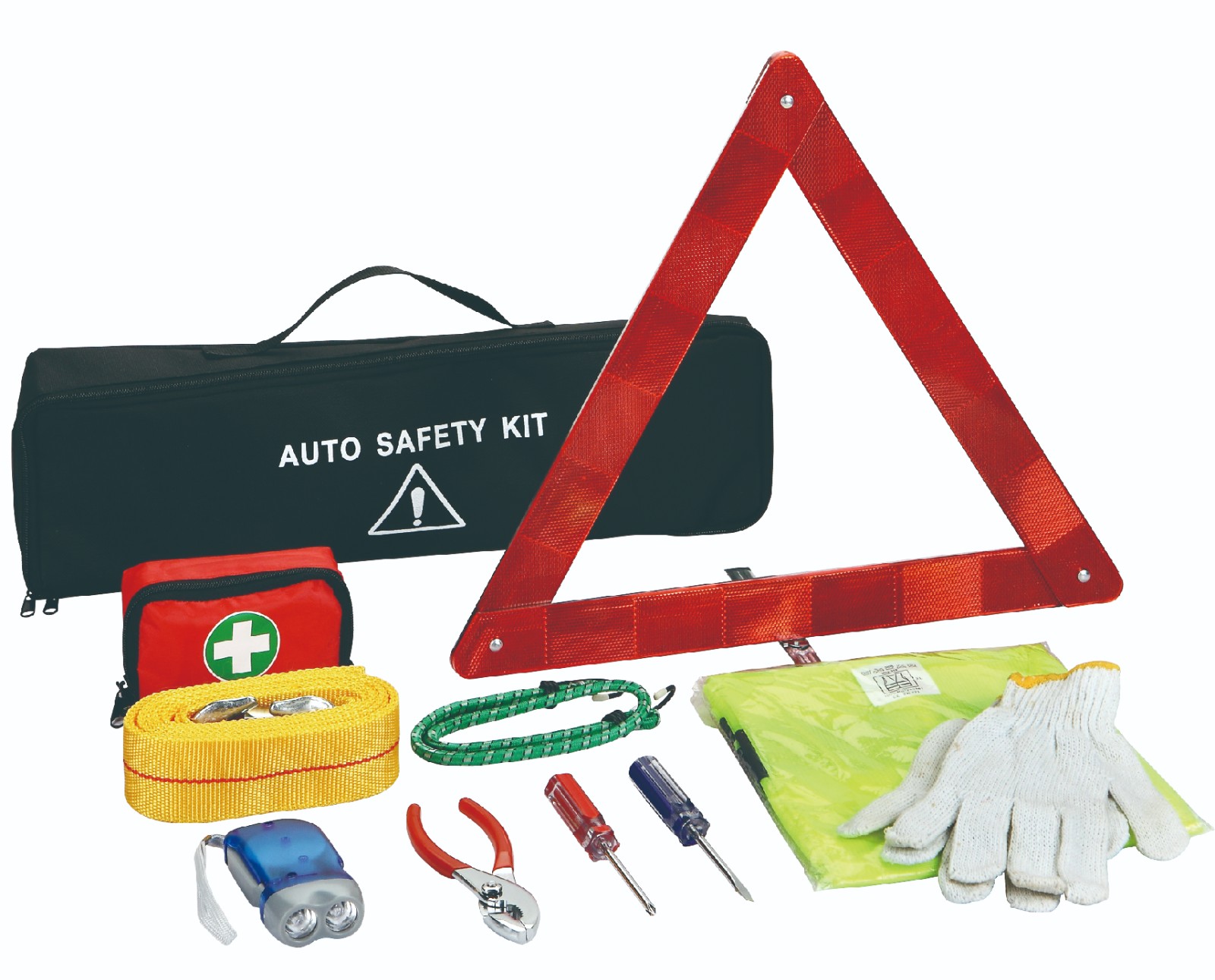
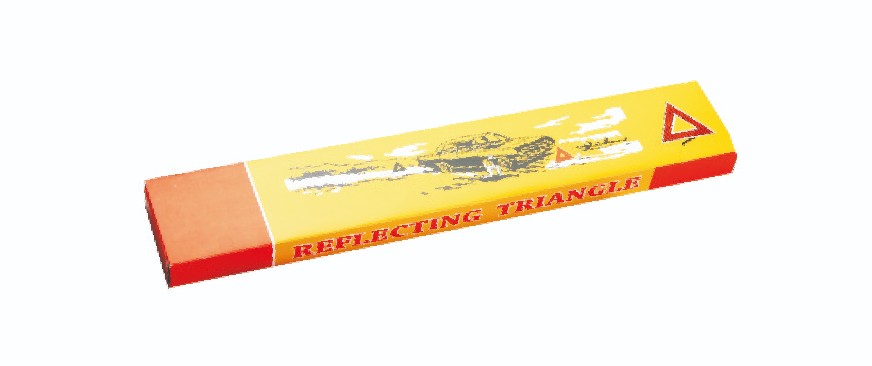
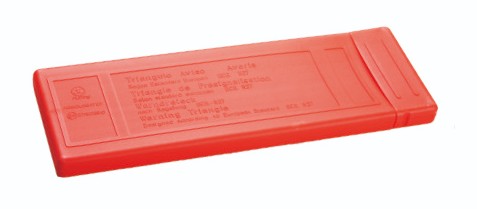
Automotive safety accessories are heavily regulated, and importing them requires verified documentation. Emergency warning triangles, for instance, must meet specific reflectivity and stability standards, such as ECE R27 in Europe or DOT FMVSS 125 in the United States.
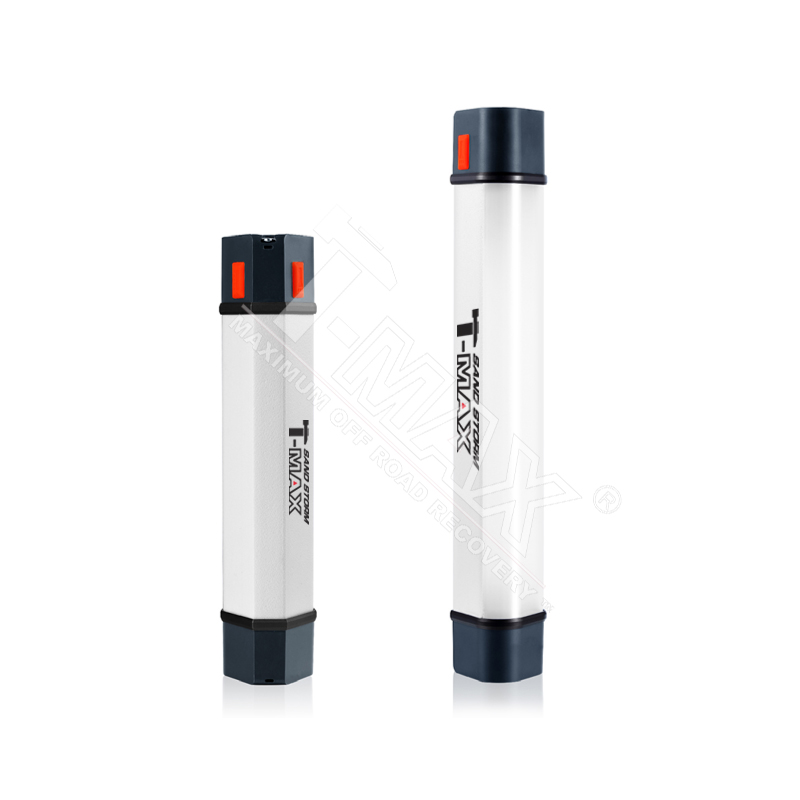
Electronic emergency tools (like LED flares or multi-tools with built-in power banks) require CE, RoHS, and FCC certifications. Because fabricated certificates are a known issue in safety equipment sourcing, implementing independent compliance and testing verification is non-negotiable before finalizing any bulk order.
Sourcing Regions, MOQs, and Pricing
The manufacturing landscape for vehicle tools in China is distinctly regionalized based on the product's primary components.
Zhejiang province (specifically Ningbo and Wenzhou) is the dominant hub for mechanical emergency tools, leveraging extensive plastic injection and metal stamping infrastructure. If your product includes complex electronics—such as LED warning beacons or circuitry—Guangdong province (Shenzhen and Dongguan) is the optimal sourcing region.
When planning your procurement, expect the following baselines:
- Standard Wholesale MOQs: For off-the-shelf, white-label emergency tools, MOQs typically range from 1,000 to 3,000 units.
- Customization & Tooling: If you are utilizing OEM/ODM services for a proprietary design, MOQs generally start at 5,000 units to absorb the cost of custom injection molds.
- Lead Times: Standard production runs take 30 to 45 days. New mold creation for custom tools will add an additional 30 to 40 days to your initial timeline.
Looking to source custom emergency tools at scale? We can help you identify the right manufacturing partner.
Get a free consultationFrequently Asked Questions
Sourcing vehicle emergency tools is an exercise in risk management. Success requires looking past the lowest unit price and rigorously validating the materials, manufacturing tolerances, and compliance documentation of your supply chain. When you are ready to secure a reliable, high-volume manufacturing partner for your safety equipment, professional sourcing support can streamline the process and protect your brand's reputation.
Get Sourcing Help for Emergency Tools
Tell us your requirements and our experts will connect you with verified manufacturers.