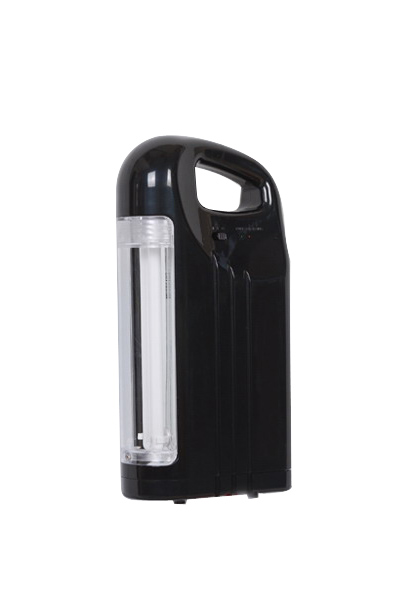
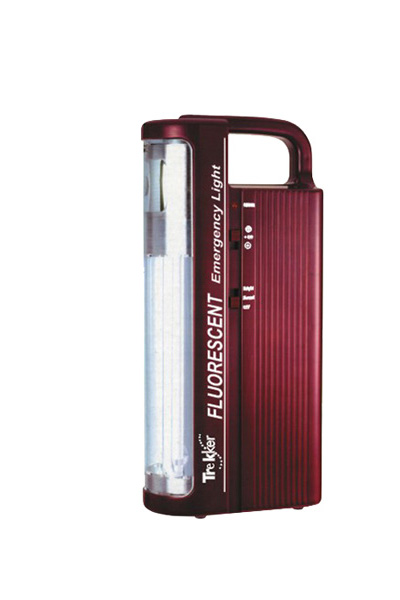
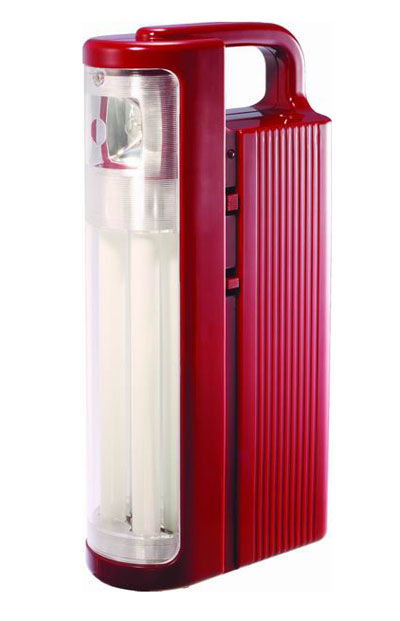
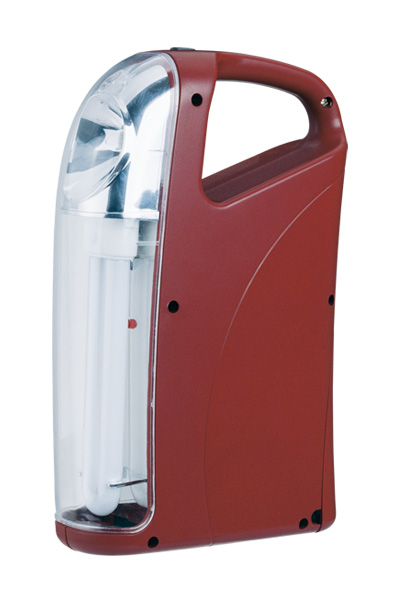
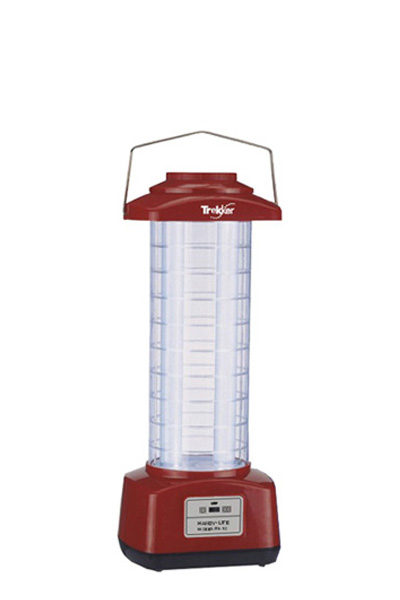
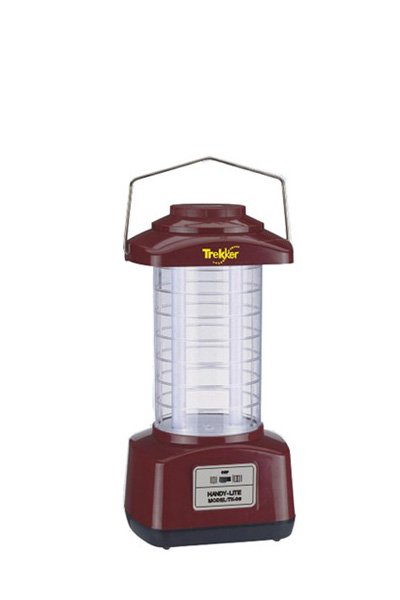
Emergency Lights
Source commercial-grade Emergency Lights directly from vetted manufacturers and verified suppliers. Designed for importers, electrical wholesalers, and brands seeking reliable OEM/ODM production, our catalog connects you with factories capable of high-volume manufacturing and strict regulatory compliance.
Sourcing emergency lighting requires balancing strict life-safety compliance with unit economics. The primary challenge isn't just finding a factory that can assemble LEDs and plastic housings; it's securing a supply chain that consistently delivers reliable battery management systems (BMS), flame-retardant materials, and certified components that will not fail during a grid outage.
Core Specifications and Battery Chemistries
The reliability of an emergency light is entirely dependent on its battery and charging circuit. When negotiating with suppliers, the battery chemistry you specify dictates the product's lifespan, maintenance schedule, and environmental compliance.
| Chemistry | Typical Lifespan | Cost Profile | Primary Application |
|---|---|---|---|
| NiCd (Nickel Cadmium) | 2-4 years | Low | Legacy budget markets (facing phase-outs) |
| NiMH (Nickel Metal Hydride) | 3-5 years | Medium | Standard commercial indoor |
| LiFePO4 (Lithium Iron Phosphate) | 5-8 years | Higher | High-spec architectural and industrial |
Beyond the battery, professional buyers must define the required emergency duration (typically 90 minutes for North America, up to 3 hours for specific European and Middle Eastern applications) and the lumen output during emergency operation, which is often a fraction of the standard operational output.
Need help standardizing specifications across multiple factory partners? We can align your technical requirements with capable manufacturers.
Talk to our teamManufacturing Tolerances and Quality Control
Emergency lights are life-safety devices. A failure in the field can result in severe liability and product recalls. When evaluating a factory's capabilities, you must look past the assembly line and examine their component sourcing and testing infrastructure.
Critical Factory-Level QC Checks
- Battery aging and capacity testing (ensuring cells meet stated mAh before assembly)
- PCB burn-in testing to verify the charging circuit and overcharge/discharge protection
- Housing material verification (V-0 flame retardant polycarbonate or ABS)
- Photometric testing to confirm emergency lumen output and distribution
- Simulated power-failure testing on 100 percent of assembled units
To ensure these standards are maintained run after run, implementing rigorous Quality Control & Inspection protocols at the factory level is non-negotiable. Pre-shipment inspections should always include battery capacity verification and charging circuit stress tests.
Navigating Regulatory Compliance
Emergency lighting is heavily regulated, and the required certifications vary drastically by market. Attempting to import non-compliant fixtures will result in customs seizures or rejection by commercial electrical inspectors.
- North America: Requires UL 924 or CSA C22.2 No. 141. The factory must be authorized to apply the mark, which means their production facility is subject to quarterly audits by the testing laboratory.
- Europe: Must comply with EN 60598-2-22 and carry valid CE marking, alongside RoHS compliance (which severely restricts the use of legacy NiCd batteries).
Because factories often claim compliance based on outdated or borrowed certificates, verifying these documents is a critical step in supplier selection. Engaging professional Compliance & Testing services ensures your products meet destination market requirements before mass production begins. Furthermore, conducting thorough Factory Audits will confirm if the supplier actually holds the manufacturing capabilities and ISO 9001 certifications they advertise.
Pricing, MOQs, and Lead Times
The emergency lighting market is highly commoditized at the low end but specialized at the commercial grade. Pricing is heavily influenced by battery capacity, housing material (injection-molded thermoplastic versus die-cast aluminum), and specific certifications.
Custom tooling for unique architectural designs or specialized OEM/ODM Services will typically require higher MOQs (often exceeding 2,000 units) to amortize the mold costs.
Struggling to negotiate favorable terms while maintaining strict quality standards? Let us manage the supplier relationship for you.
Get a free consultationFrequently Asked Questions
Successfully sourcing emergency lights requires treating them as critical safety infrastructure rather than simple illumination devices. By prioritizing battery chemistry, strict regulatory compliance, and rigorous factory-level testing, buyers can build a resilient and profitable lighting supply chain.
Get Sourcing Help for Emergency Lights
Tell us your requirements and our experts will connect you with verified manufacturers.