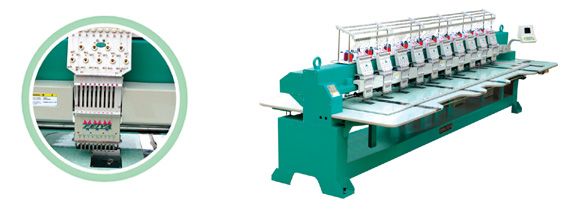
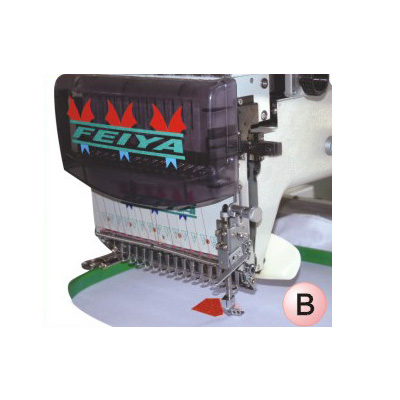
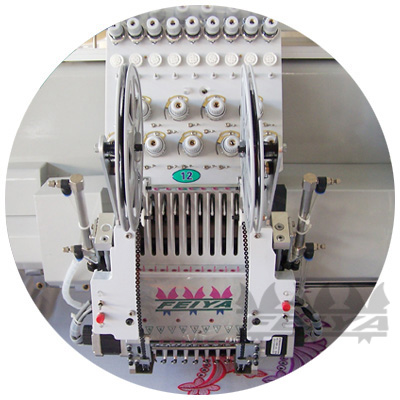
Embroidery Machines
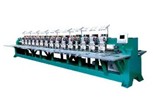
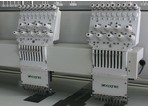
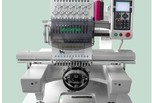
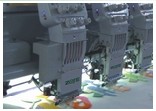
Source commercial-grade Embroidery Machines from vetted manufacturers and suppliers across Asia. Built for equipment importers, machinery distributors, and apparel brands requiring bulk purchasing or OEM production. Access reliable production lines capable of delivering high-speed, multi-head precision equipment at competitive wholesale prices.
Sourcing commercial embroidery machines requires navigating a highly fragmented manufacturing base where the visual similarity of equipment often masks vast differences in internal component quality. For machinery distributors and large-scale apparel manufacturers, the sourcing challenge is rarely about finding a supplier, but rather verifying their engineering capability, component supply chain, and post-sales reliability.
Core Specifications to Define with Manufacturers
When negotiating with factories, vague requirements lead to substituted components. Commercial embroidery equipment is highly modular, meaning manufacturers can easily swap premium parts for budget alternatives to hit a target price if specifications are not strictly defined on the purchase order.
| Component Category | Standard/Budget Configuration | Premium/High-Speed Configuration |
|---|---|---|
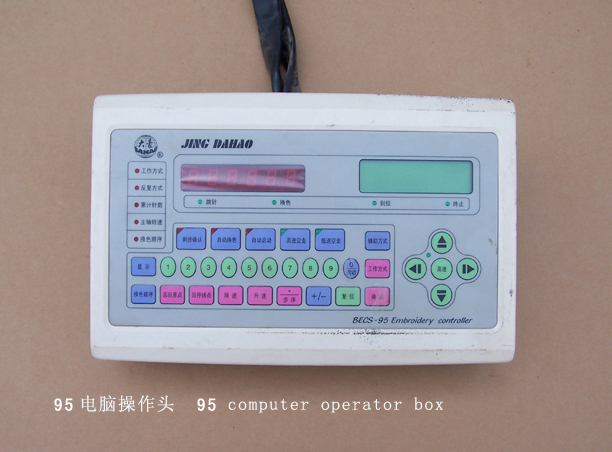
| Control System | Basic Dahao or Topwisdom (non-networked) | Dahao A15/A98 or Barudan/Tajima equivalents (Wi-Fi, LAN enabled) |
| Rotary Hooks | Domestic Chinese hooks | Japanese Koban or Hirose hooks |
| Main Motor | Standard AC Stepper Motor | Panasonic or Dahao Servo Motor |
| Maximum Speed | 850 to 1,000 RPM | 1,200 to 1,500 RPM |
| Frame Construction | Lightweight welded steel | Heavy-duty cast iron bridge structure |
Critical Components and Sourcing Trade-offs
The heart of any modern embroidery machine is its computerized control system. In the Asian manufacturing ecosystem, Dahao is the dominant standard. Specify the exact series of the Dahao controller required, as older or counterfeit boards will cause persistent software crashes and limit networking capabilities for end-users.
Similarly, the rotary hook dictates stitch precision and thread-break frequency at high speeds. While domestic hooks have improved, Japanese-made Koban or Hirose hooks remain the standard for high-speed, multi-head machines. Ensure your contract explicitly states the brand of the rotary hook and main servo motor.
Struggling to verify component authenticity in your machinery orders? Let our engineers handle the technical negotiations and supplier vetting.
Talk to our machinery expertsQuality Control and Factory Validation
The primary manufacturing hubs for embroidery machines in China are located in Zhejiang province (particularly Zhuji) and Guangdong. The supplier landscape ranges from true manufacturers with heavy casting and CNC machining capabilities to mere assembly workshops that purchase frames and bolt on components.
Partnering with an assembly workshop is not inherently bad for standard machines, but it introduces high variability in quality. To ensure consistency, rigorous Factory Audits are mandatory to assess a supplier's frame-machining tolerances, motor alignment processes, and run-in testing protocols.
Pre-Shipment Inspection Focus Areas
- Run-in Testing: Verify the machine has run continuously for at least 24 to 48 hours to identify electronic faults.
- Tension and Thread Breakage: Test high-speed operation on various fabrics to ensure thread break sensors are responsive.
- Frame Alignment: Check the pantograph movement for excessive vibration or drift at maximum RPM.
- Component Verification: Open the casing to confirm the specified servo motors, rotary hooks, and control boards are installed.
- Packaging: Ensure heavy-duty vacuum sealing and steel-reinforced wooden crating to prevent moisture and transit damage.
Executing comprehensive Quality Control & Inspection before the machinery is crated is critical, as returning a 2-ton multi-head machine is financially unviable.
MOQs, Lead Times, and Pricing Dynamics
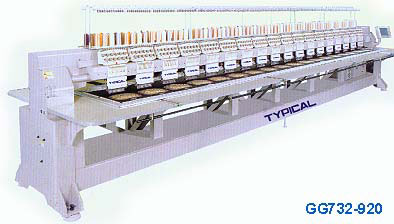
Machine pricing is highly dependent on the number of heads, needles per head, and the component tier.
Logistics and Shipping Considerations
Embroidery machines are heavy, bulky, and sensitive to moisture. Ocean freight is the standard, but improper container loading can result in bent frames or rusted components. Working with specialized Shipping & Freight forwarders who understand heavy machinery lashing, anti-rust packaging (VCI film), and proper weight distribution inside the container is essential to protect your investment.
Need reliable logistics and quality control for your heavy machinery imports? We manage the entire supply chain from factory floor to your warehouse.
Get a freight and sourcing quoteFrequently Asked Questions
Final Sourcing Insight
Successfully sourcing commercial embroidery machines is an exercise in strict specification management and rigorous physical inspection. A lower unit price often directly correlates with downgraded internal components that will cost your buyers significantly more in downtime and maintenance. Establishing a presence on the factory floor during assembly and testing is the only reliable way to ensure the machinery you ordered is the machinery that ships.
Get Sourcing Help for Embroidery Machines
Tell us your requirements and our experts will connect you with verified manufacturers.