Electronics Polishing Materials
Source high-quality Electronics Polishing Materials from vetted suppliers and manufacturers. Designed for importers, wholesalers, and brands requiring bulk polishing slurries, pads, and compounds. Secure reliable OEM production and consistent batch quality for semiconductor, display, and PCB applications.
Electronics polishing materials—ranging from chemical mechanical planarization (CMP) slurries to precision polyurethane pads—are critical for achieving flawless surfaces on semiconductors, LCD/OLED displays, fiber optics, and bare PCBs. When sourcing these consumables in bulk, the primary challenge is identifying manufacturers capable of maintaining tight particle size distribution (PSD) and high-purity formulations across multiple production runs. Even microscopic agglomerations or trace metal contamination can cause catastrophic yield losses on an electronics production line.
Core Specifications for Polishing Materials
Selecting the right supplier requires matching their processing capabilities with your exact material specifications. Manufacturers typically specialize in either chemical abrasive slurries or solid polishing pads, rarely both.
When specifying slurries and compounds, the abrasive particle type dictates the factory you need to source from:
| Abrasive Type | Primary Application | Key Sourcing Consideration |
|---|---|---|
| Colloidal Silica | CMP, Silicon Wafers | Requires high pH stability and nano-scale PSD control |
| Cerium Oxide | LCD/OLED Glass, Optics | Purity of rare-earth raw materials is critical |
| Diamond Slurry | Sapphire Substrates, Hard Ceramics | Suspension stability to prevent particle settling |
| Aluminum Oxide | Metals, Heat Sinks, General Electronics | Agglomeration prevention during shipping |
For polishing pads, key specifications include material composition (e.g., cast polyurethane, non-woven, or poromeric), compressibility, pore size, and groove patterns.
Struggling to find suppliers with consistent batch-to-batch purity? Let us vet the market and secure reliable chemical and pad manufacturers for your supply chain.
Get a free consultationManufacturing Quality and Batch Consistency
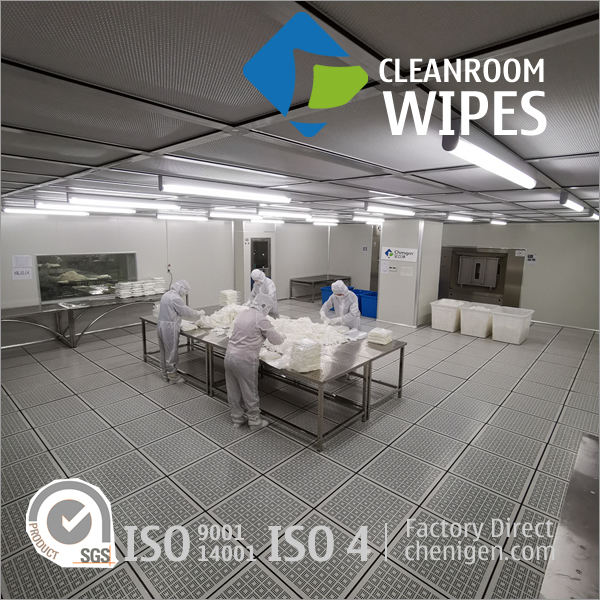
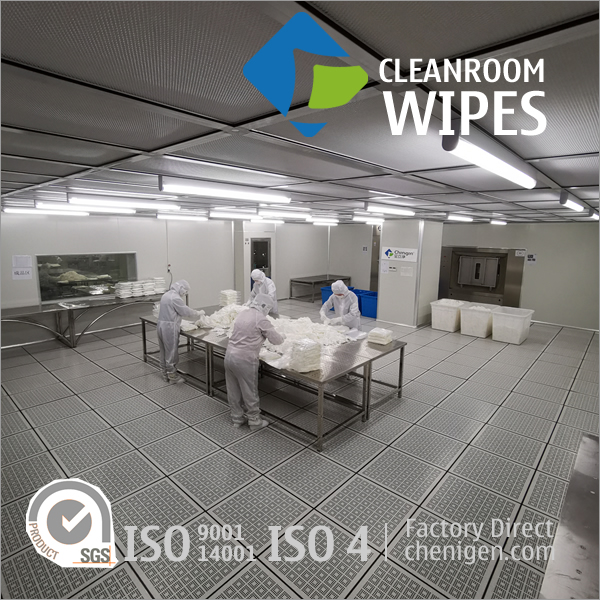
The difference between a reliable supplier and a risky one lies in their raw material refinement and cleanroom controls. High-end electronics polishing requires materials free from environmental dust and cross-contamination.
Before committing to a bulk order, it is highly recommended to conduct Factory Audits to verify the supplier's cleanroom class (often ISO Class 7 or better for CMP materials) and their internal testing laboratories.
Critical Batch Testing Requirements
- Particle Size Distribution (PSD): Verifying the mean particle size and ensuring no oversized particles (agglomerates) are present.
- pH and Viscosity Stability: Ensuring liquid slurries remain stable during transit and storage.
- Trace Metal Analysis: Testing for heavy metal contamination (often required in parts-per-billion for semiconductors).
- Pad Hardness and Compressibility: Shore hardness testing for polyurethane pads to ensure uniform planarization.
To enforce these standards, implement rigorous Quality Control & Inspection protocols. Pre-shipment inspections should mandate that the factory provides a Certificate of Analysis (CoA) for every single batch, detailing the exact D50 and D99 particle sizes.
Pricing, MOQs, and Lead Times
Sourcing polishing materials in volume involves navigating specific logistics and minimum order requirements, particularly for chemical slurries.
Pricing is heavily dependent on raw material costs—such as the spot price of cerium or industrial diamond—and the required purity level. Slurries requiring sub-50 nanometer particle sizes with tight tolerances will command a significant premium over standard micron-level aluminum oxide compounds.
Additionally, shipping liquid chemical slurries requires specialized handling. Many slurries are temperature-sensitive and must not freeze or exceed specific heat thresholds, lest the suspension break and particles agglomerate. Coordinating Shipping & Freight with carriers experienced in handling temperature-controlled and potentially hazardous materials (depending on the pH level) is essential to protect your investment.
Need to consolidate shipments of temperature-sensitive chemicals and precision pads? We manage the sourcing, compliance, and logistics to keep your production running smoothly.
Talk to our teamFrequently Asked Questions
Sourcing electronics polishing materials is an exercise in risk mitigation. Success requires moving beyond unit price and focusing entirely on a supplier's process controls, raw material purity, and ability to deliver identical performance batch after batch.
Get Sourcing Help for Electronics Polishing Materials
Tell us your requirements and our experts will connect you with verified manufacturers.