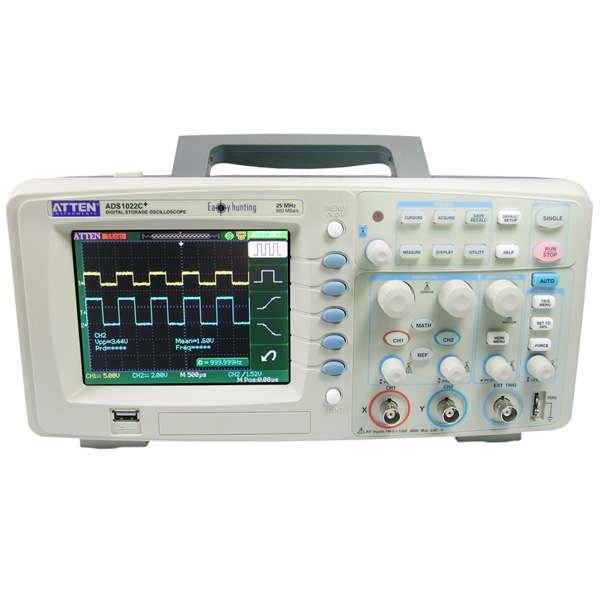
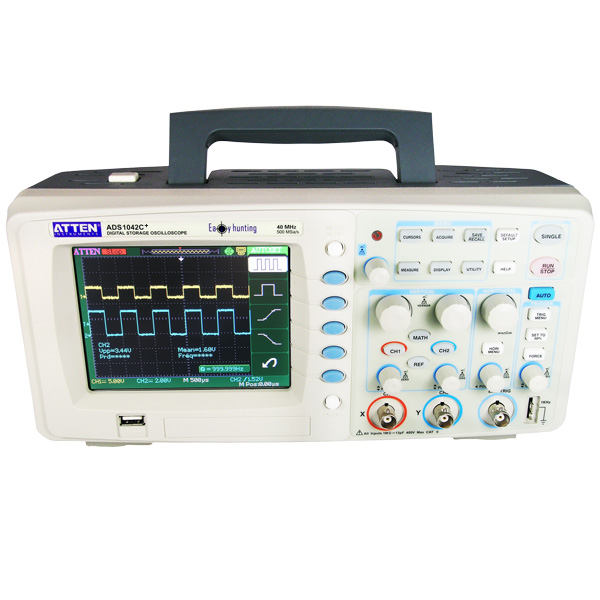
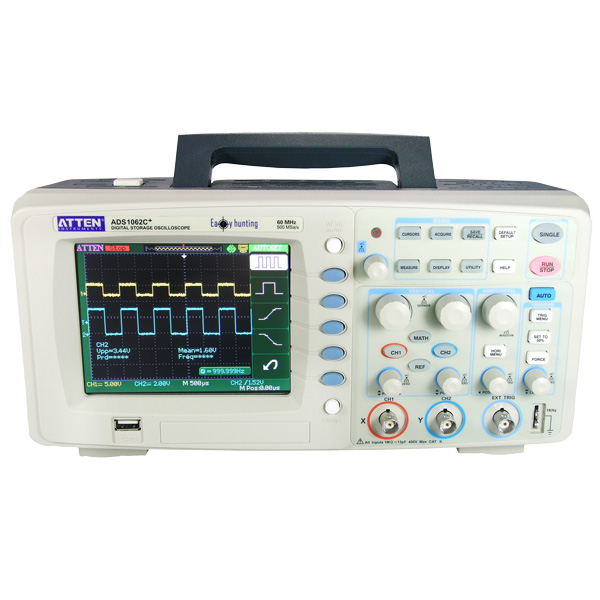
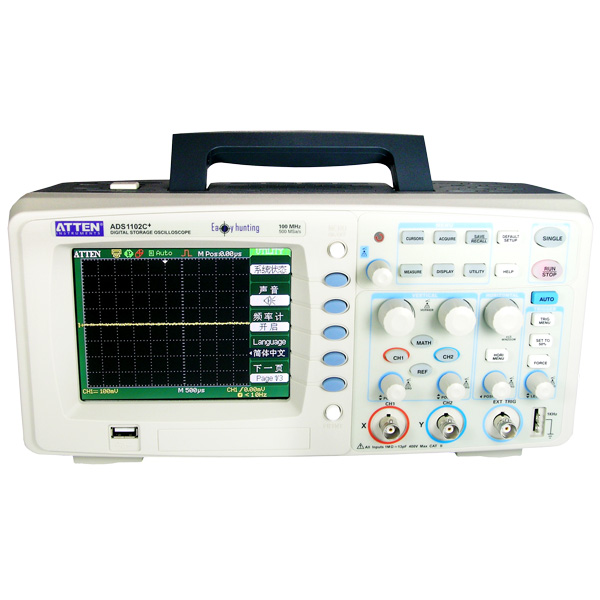
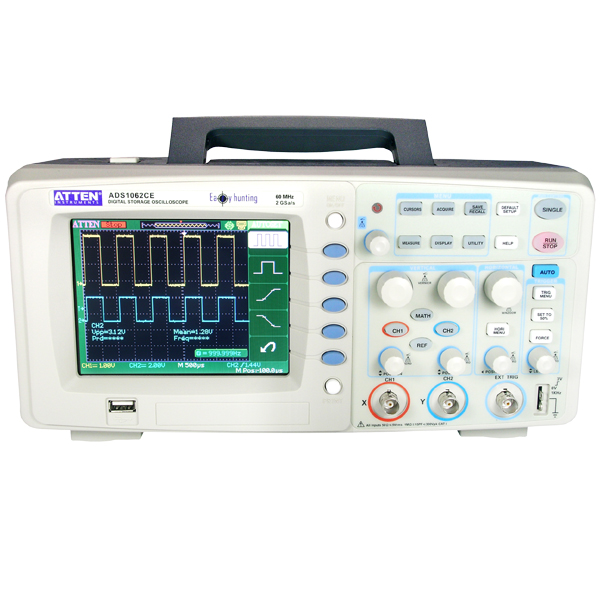
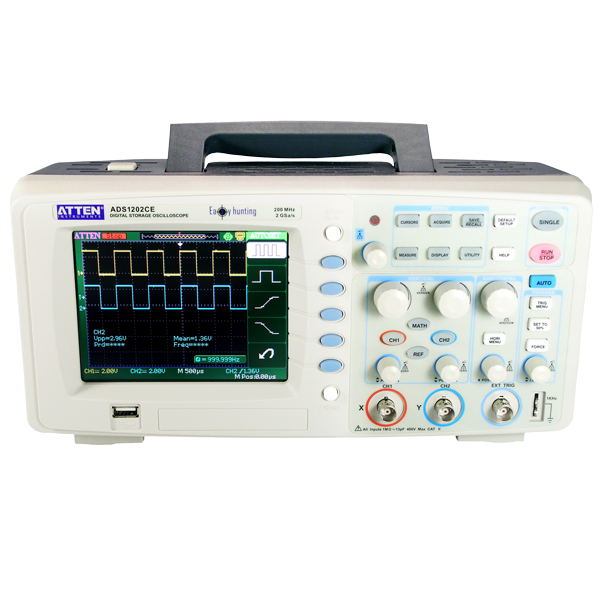
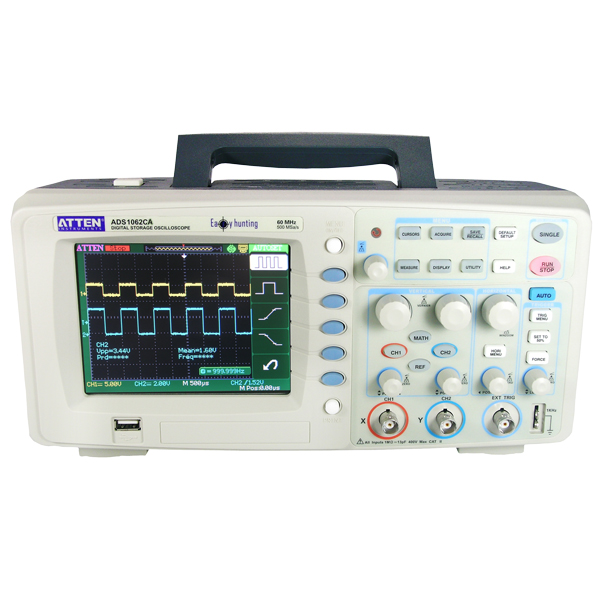
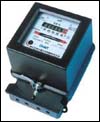
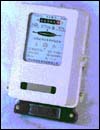
Electronic Instruments
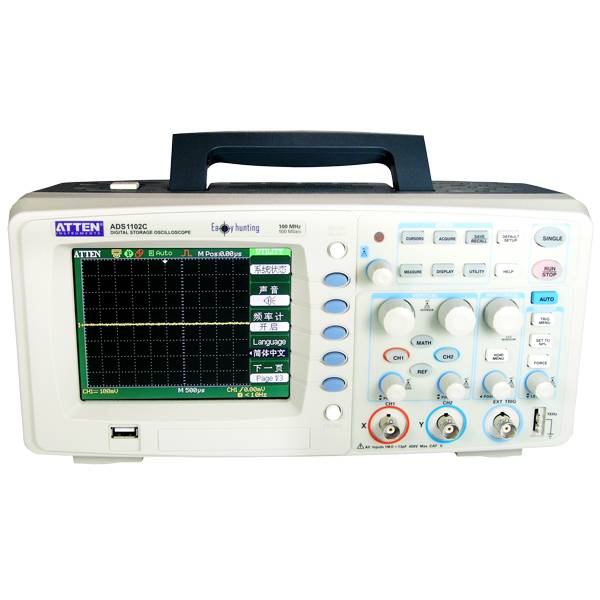
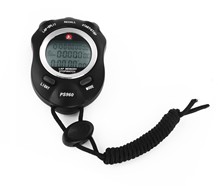
Source professional-grade electronic instruments from vetted manufacturers and wholesale suppliers across Asia. Designed for importers, distributors, and brands seeking reliable OEM and private-label production, our network delivers precision testing and measurement equipment built to strict international compliance standards.
Sourcing electronic instruments at scale requires balancing unit costs with uncompromising accuracy and reliability. Whether you are importing standard testing apparatuses or developing custom measurement tools, the core challenge remains the same: ensuring the factory maintains strict component tolerances, stable firmware, and rigorous calibration protocols across high-volume production runs.
Defining Specifications and BOM Requirements
In electronic instrument manufacturing, the Bill of Materials (BOM) dictates the baseline performance of your product. Relying on a factory's default components without specifying critical tolerances often leads to measurement drift and high failure rates in the field.
When negotiating with suppliers, you must explicitly define the core architecture:
Critical BOM Specifications
- ADC/DAC Resolution: Specify exact bit-depth (e.g., 16-bit, 24-bit) and preferred IC brands (Texas Instruments, Analog Devices) to prevent silent component swapping.
- Sampling Rates & Bandwidth: Define maximum and minimum operational thresholds under standard and extreme load conditions.
- Display Quality: Specify LCD/OLED resolution, refresh rates, and backlight lifespan, particularly for industrial environments.
- Power Supply Stability: Mandate low-ripple power management ICs to prevent internal electrical noise from compromising measurement accuracy.
If you are customizing an existing factory design or developing a new product, OEM/ODM services can help bridge the gap between your technical requirements and the factory's production capabilities, ensuring your specs are actually manufacturable.
Manufacturing and Calibration Standards
The physical assembly of electronic instruments relies heavily on advanced Surface Mount Technology (SMT). Poor solder paste application or incorrect reflow oven temperatures can introduce parasitic capacitance or resistance, ruining an instrument's precision.
Beyond basic assembly, the true differentiator between a low-tier assembler and a professional instrument manufacturer is their calibration environment. High-end factories will have dedicated, temperature-and-humidity-controlled calibration rooms. Evaluating these facilities through rigorous factory audits is essential before placing a volume order. You need to verify that their reference equipment is traceable to national or international standards (such as NIST or equivalent) and calibrated regularly.
Need to verify a manufacturer's calibration capabilities? Let our engineers audit their facilities before you commit to an order.
Talk to our teamQuality Control and Compliance Testing
Electronic instruments face strict regulatory hurdles depending on the destination market. A CE mark or FCC label applied by the factory is meaningless unless backed by valid, verifiable test reports from accredited third-party laboratories.
Electromagnetic Compatibility (EMC)
Measurement instruments are highly susceptible to electromagnetic interference (EMI). Ensure your supplier's designs include proper RF shielding and grounding to pass EMC directives. Failing this will result in customs seizures or product recalls.
Implement a multi-stage approach to quality control and inspection. In-line inspections should verify PCB integrity and firmware flashing, while pre-shipment inspections must include functional testing against known reference standards. Furthermore, engaging professional compliance testing ensures your instruments meet RoHS, REACH, and regional electrical safety standards (like UL or ETL) before they leave the country of origin.
Typical MOQs, Lead Times, and Pricing Dynamics
Pricing in this category is highly elastic, driven by component scarcity (especially specialized microcontrollers), enclosure tooling costs, and calibration time.
When forecasting your landed costs, factor in the time and expense of initial tooling if you are modifying the instrument's housing. Factories will often amortize the tooling cost over your first few orders, but retaining ownership of those molds requires clear contractual agreements upfront.
Struggling with high MOQs or inconsistent factory pricing? We negotiate directly with component-level suppliers to secure better terms for your production runs.
Get a free consultationFrequently Asked Questions
Sourcing electronic instruments requires a deep understanding of electrical engineering tolerances and factory floor realities. By defining your BOM strictly, verifying calibration traceability, and enforcing multi-stage quality control, you can build a resilient supply chain for high-precision equipment. If you need experienced engineers on the ground to manage your technical sourcing and quality assurance, our team is ready to assist.
Get Sourcing Help for Electronic Instruments
Tell us your requirements and our experts will connect you with verified manufacturers.