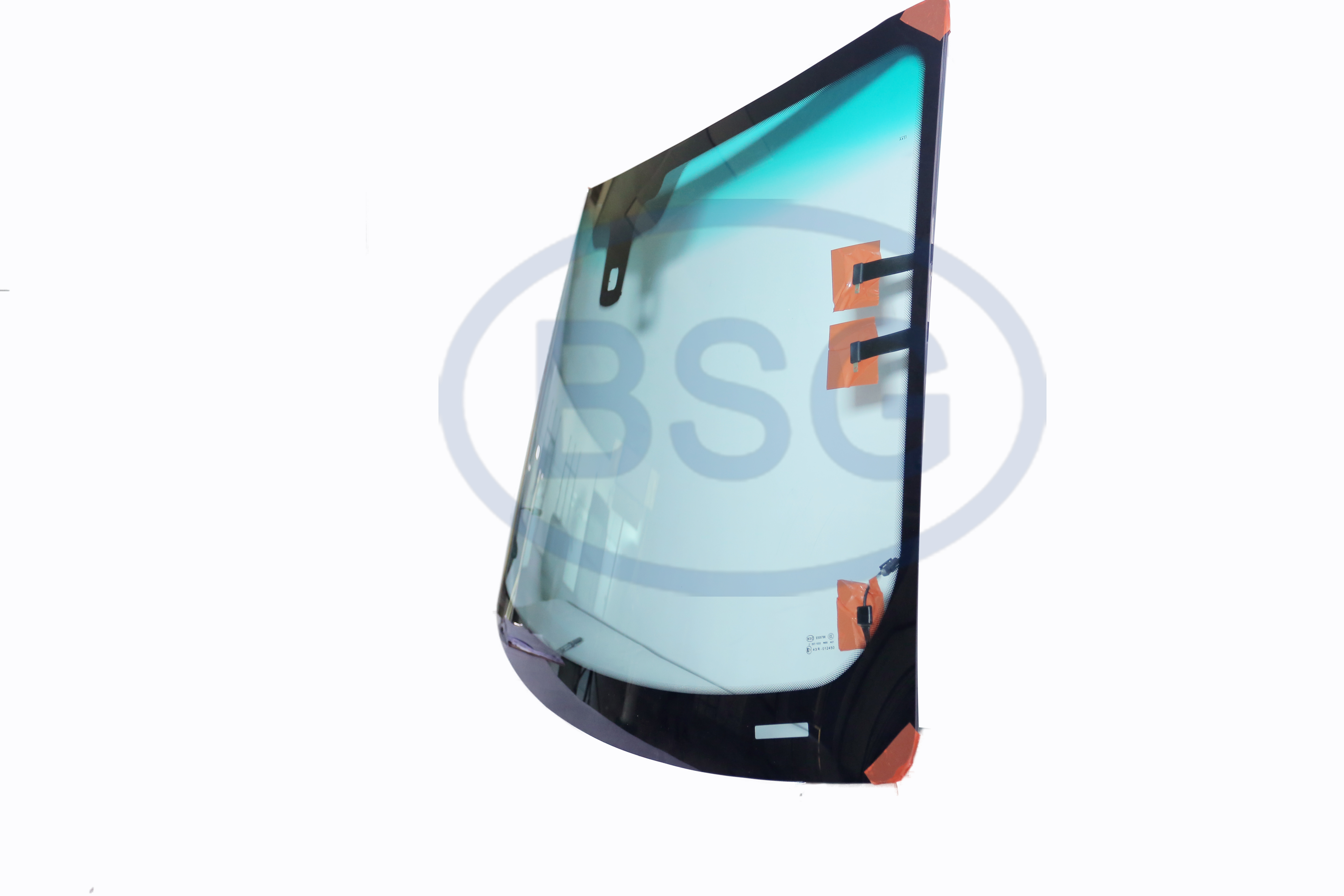
Electronic Glass
Source premium electronic glass directly from vetted manufacturers and suppliers in China and Asia. Designed for importers, wholesalers, and industrial procurement managers, our wholesale catalog includes high-transmittance, coated, and conductive glass engineered for demanding display and architectural applications.
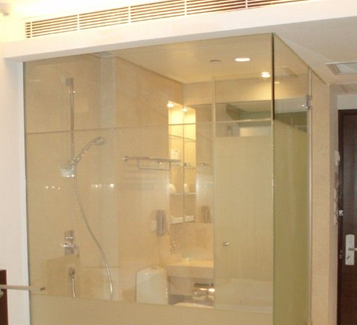
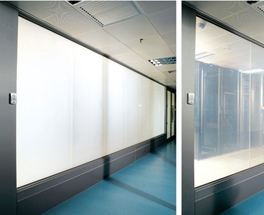
Electronic glass bridges the gap between raw building materials and advanced technology. Serving as the critical substrate for touch panels, industrial displays, smart privacy windows, and solar applications, this category demands strict adherence to optical clarity, surface flatness, and coating uniformity. Sourcing these specialized glass panels at scale requires moving beyond standard architectural glass suppliers to find facilities equipped with cleanrooms, advanced sputtering lines, and precision CNC capabilities.
Core Specifications and Surface Treatments
The value of electronic glass lies in its surface treatments and exact dimensional tolerances. Buyers must specify not only the base glass type (often ultra-clear, low-iron float glass) but also the specific sequence of coatings required for the end application.
| Coating Type | Primary Function | Key Specification |
|---|---|---|
| Anti-Reflective (AR) | Reduces surface glare and light reflection | Transmittance over 95% |
| Anti-Glare (AG) | Diffuses direct light to improve readability | Gloss level 50 to 110 GU |
| Anti-Fingerprint (AF) | Repels water and oils (hydrophobic/oleophobic) | Water contact angle over 110 degrees |
| Indium Tin Oxide (ITO) | Provides electrical conductivity while remaining transparent | Sheet resistance 10 to 100 ohms/sq |
When combining multiple treatments (such as an AG/AR/AF stack), the manufacturing complexity increases exponentially. Yield rates drop if a facility lacks automated handling between coating stages. Managing product sourcing for complex stacks means identifying factories with integrated lines rather than those outsourcing individual coating steps, which often leads to contamination and high defect rates.
Struggling to find a supplier capable of reliable multi-layer coatings? Let us match your technical specifications with a vetted, cleanroom-equipped manufacturer.
Talk to our teamThe Manufacturing and Processing Sequence
Producing electronic glass is a multi-stage process where precision at the cutting stage dictates the success of subsequent tempering and coating.
Precision Cutting & Edge Profiling
Glass is cut to size and the edges are CNC ground (chamfered or polished). Micro-cracks at this stage will cause the glass to shatter during tempering.
Strengthening (Thermal or Chemical)
Depending on thickness, glass is either thermally tempered (usually for glass thicker than 3mm) or chemically strengthened via ion exchange (essential for glass under 2mm).
Surface Coating & Sputtering
Glass enters a cleanroom environment for vacuum magnetron sputtering (for AR/ITO) or chemical etching (for AG).
Silk Screen Printing
Borders, logos, or IR-transparent windows are printed using high-temperature ceramic inks, followed by final baking.
Quality Control and Defect Prevention
Optical flaws in electronic glass are often invisible to the naked eye under standard factory lighting. Defective coatings can lead to delamination, uneven touch sensitivity, or display distortion. Implementing rigorous quality control and inspection protocols before the glass leaves the cleanroom is non-negotiable.
Critical Factory Inspection Points
- Spectrophotometer testing to verify exact light transmittance and reflectance percentages.
- Four-point probe measurement to confirm uniform sheet resistance across ITO glass.
- Cross-cut tape test (ASTM D3359) to verify the adhesion of silk-screened borders and ceramic inks.
- Drop ball impact testing to validate chemical strengthening and tempering integrity.
- Visual inspection under specialized polarized lighting to detect coating pinholes, scratches, and edge chips.
Pricing, MOQs, and Lead Times
Because electronic glass is highly customized to specific dimensions, cutouts, and coating stacks, off-the-shelf inventory is rare for B2B volumes. Pricing is heavily dependent on the base material (standard float vs. aluminosilicate), the thickness (ultra-thin glass costs a premium to process safely), and the number of cleanroom steps required.
Need accurate pricing and lead times for your custom glass specifications? We negotiate directly with top-tier Asian glass processors to secure competitive bulk rates.
Get a free consultationFrequently Asked Questions
Successfully importing electronic glass requires looking past aggressive pricing and focusing heavily on a supplier's processing environment and defect management. Conducting thorough factory audits to verify cleanroom standards, automated handling equipment, and in-house testing capabilities is the most effective way to ensure your production runs smoothly and your final product performs flawlessly in the field.
Get Sourcing Help for Electronic Glass
Tell us your requirements and our experts will connect you with verified manufacturers.