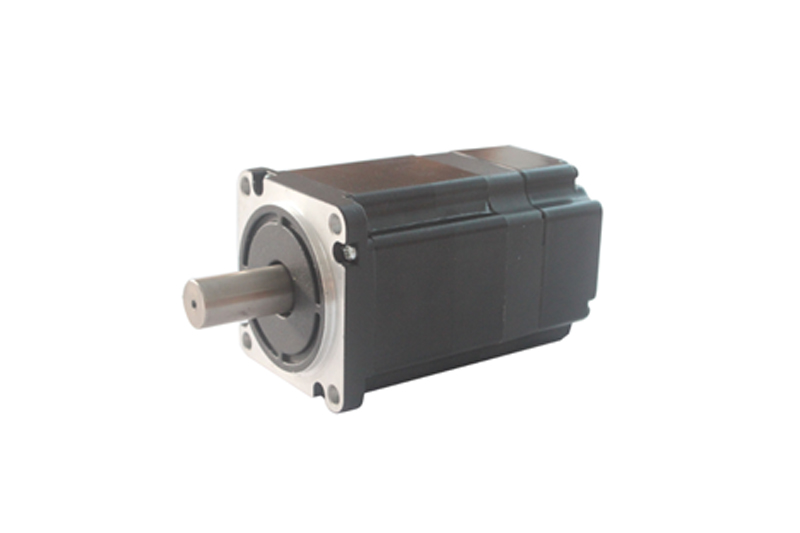
Electromagnet
Source industrial-grade electromagnets from vetted suppliers and manufacturers. Built for procurement managers, distributors, and brands requiring bulk OEM production, our network delivers reliable holding and linear electromagnets. Secure competitive wholesale pricing and strict quality control for your electronic component supply chain.
Sourcing electromagnets at scale requires balancing magnetic force, duty cycle, and thermal management against unit cost. Whether integrating them into industrial automation equipment, access control systems, or consumer electronics, specifying the right coil winding and core material is critical to long-term reliability. Navigating the Asian manufacturing landscape for these components means looking beyond top-line holding force and scrutinizing the factory’s winding precision, material grades, and testing protocols.
Critical Specifications for Bulk Procurement
When engaging with manufacturers, vague specifications lead to inconsistent production batches. Electromagnets are highly application-specific, and factories will default to the cheapest available materials if tolerances are not explicitly defined.
Key Parameters to Define Before Sourcing
- Holding Force & Air Gap: Specify the required Newtons (N) at a specific air gap (mm), not just at zero distance.
- Duty Cycle: Define as Continuous (100%) or Intermittent (e.g., 10%, 25%, 50%). Intermittent designs will burn out if powered continuously.
- Operating Voltage & Power: Standardize on DC (12V, 24V) or AC, and cap the maximum allowable wattage.
- Insulation Class: Specify the thermal limit of the enameled copper wire (e.g., Class B for 130°C, Class F for 155°C, Class H for 180°C).
- IP Rating: Dictates the type of potting compound or encapsulation required for environmental protection.
Thermal Runaway
As an electromagnet heats up, the resistance of the copper coil increases, which can reduce the current and consequently drop the magnetic force by 20 percent or more. Always specify holding force at the maximum operating temperature, not just at room temperature.
Manufacturing Precision and Quality Control
The difference between a premium electromagnet and a failure-prone unit lies on the factory floor. High-volume production relies on automated CNC winding machines to ensure a tight, consistent copper fill factor. Poor winding tension causes overlapping wires, which increases the risk of short circuits and creates uneven magnetic fields.
Equally important is the potting and encapsulation process. Voids or air bubbles in the epoxy resin compromise heat dissipation and allow moisture ingress, leading to premature failure in the field.
Struggling with inconsistent magnetic force or thermal failures in your current supply chain? Let us help you identify and transition to higher-tier manufacturers.
Talk to our teamTo ensure consistent yields, robust Quality Control & Inspection protocols must be implemented at the factory level. Key tests to demand include:
- Dielectric Withstand Voltage (Hipot) Testing: Ensures insulation integrity between the coil and the metal housing.
- Resistance Measurement: Verifies the correct wire gauge and number of turns were used.
- Pull-Force Testing: Conducted on a digital force gauge at the specified operating voltage and temperature.
Before committing to a high-volume order, executing comprehensive Factory Audits is highly recommended to verify the supplier's automated winding capabilities and internal testing equipment.
Custom vs. Off-the-Shelf Solutions
While standard round holding electromagnets are widely available, many assemblies require custom mounting profiles, specific connector types, or modified plunger designs (for linear solenoids). Engaging in OEM/ODM Services allows you to tailor the bobbin tooling, housing stampings, and lead wire configurations to your exact product requirements.
Customization usually requires a modest tooling investment for the stamped iron housing or injection-molded bobbin, but it significantly reduces assembly time and integration costs on your end.
Market Realities: Pricing, MOQs, and Lead Times
Electromagnet pricing is heavily indexed to raw material costs—specifically copper for the coil and low-carbon steel for the core.
Need to lock in competitive pricing for a custom electromagnet design? We negotiate directly with specialized manufacturers to optimize your unit economics.
Get a free consultationFrequently Asked Questions
Procuring electromagnets at scale is an exercise in strict tolerance management and raw material verification. Success requires moving beyond generic trading companies to partner with specialized coil-winding factories that understand the thermal and magnetic demands of your specific application.
Get Sourcing Help for Electromagnet
Tell us your requirements and our experts will connect you with verified manufacturers.