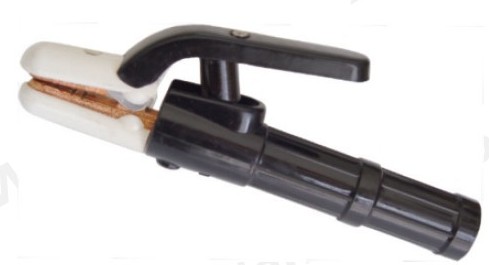
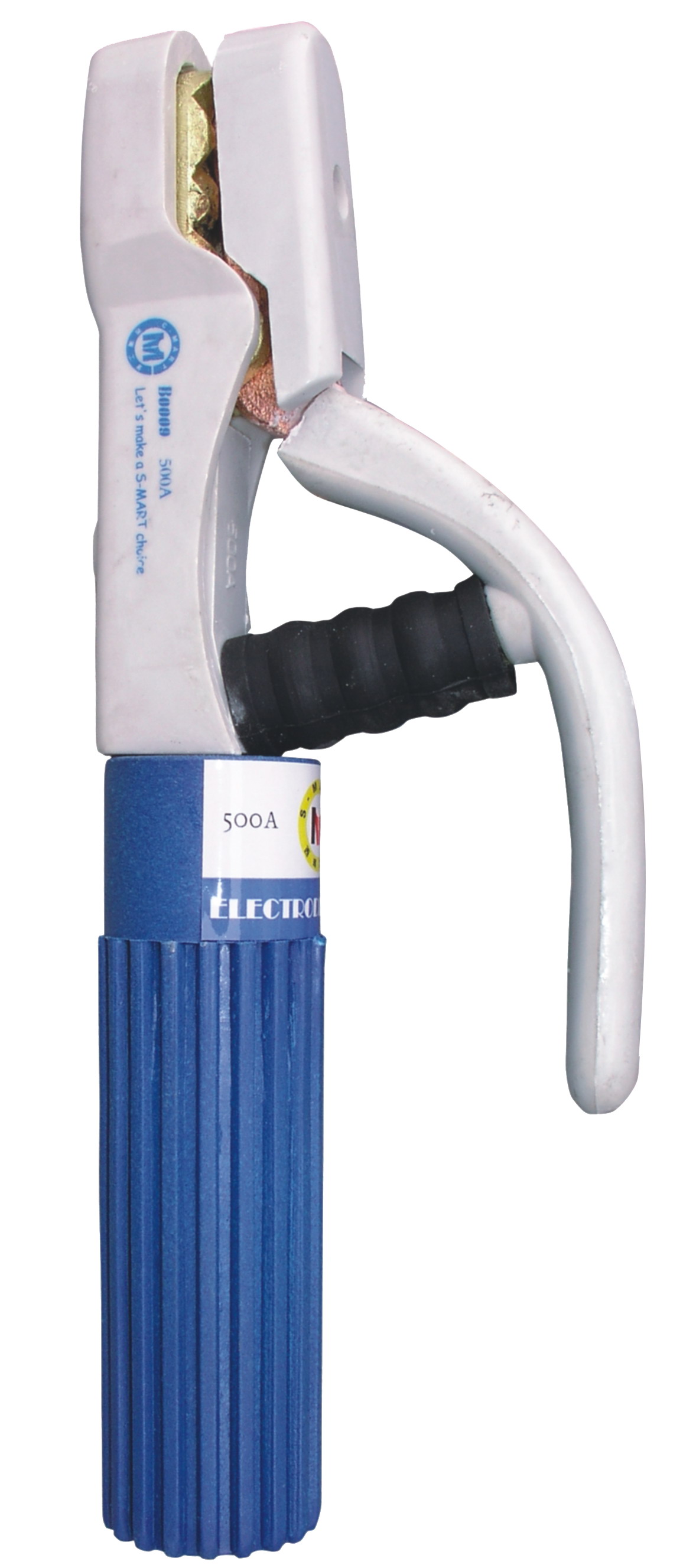
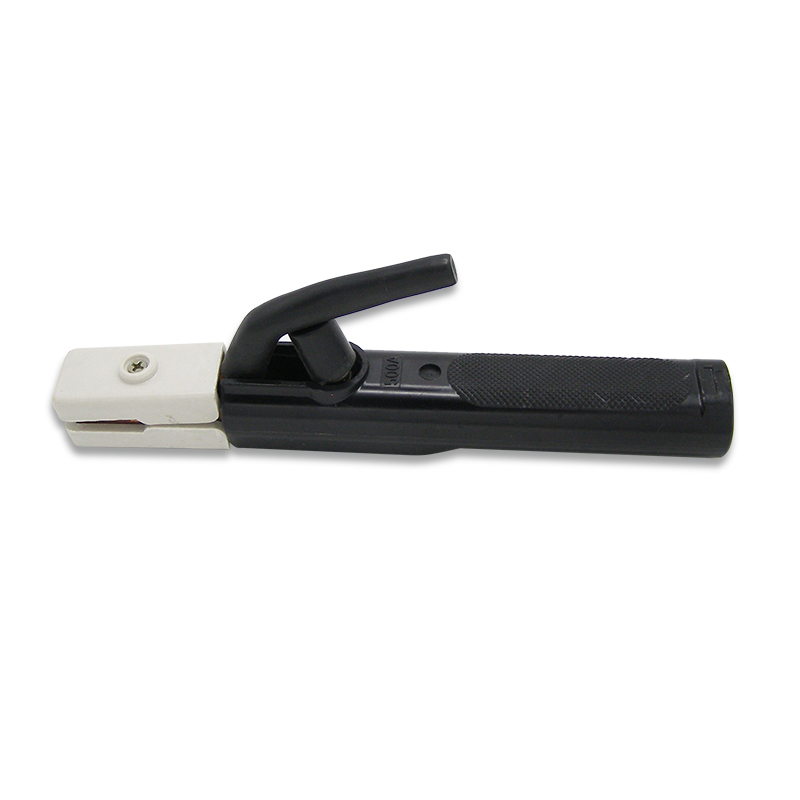
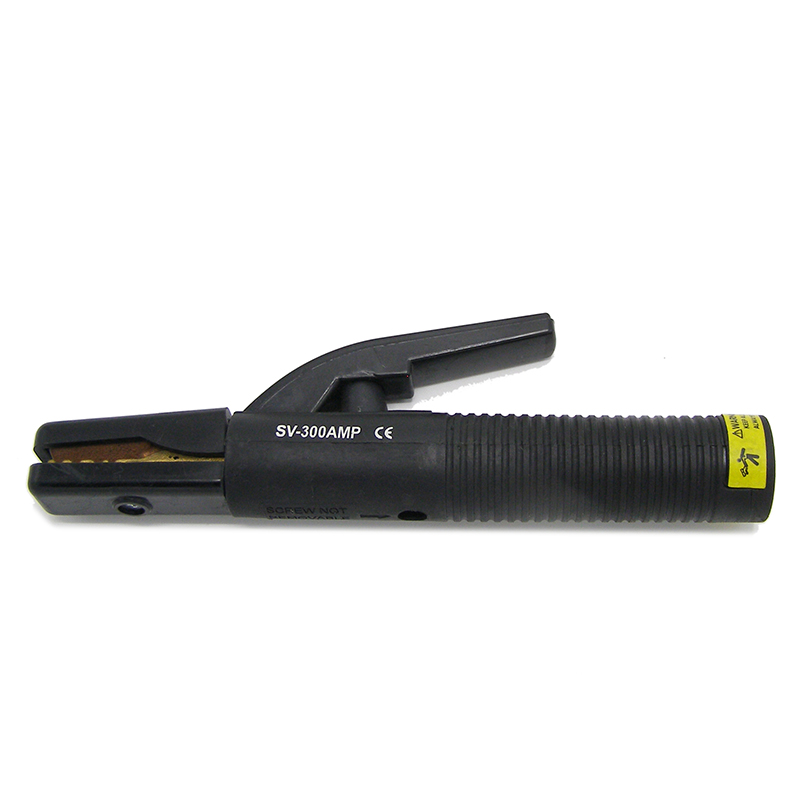
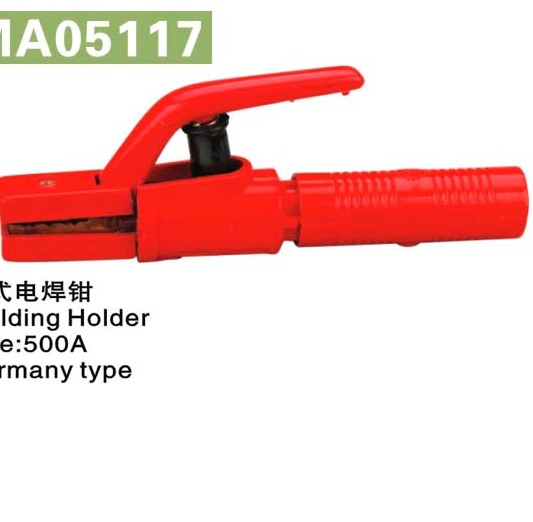
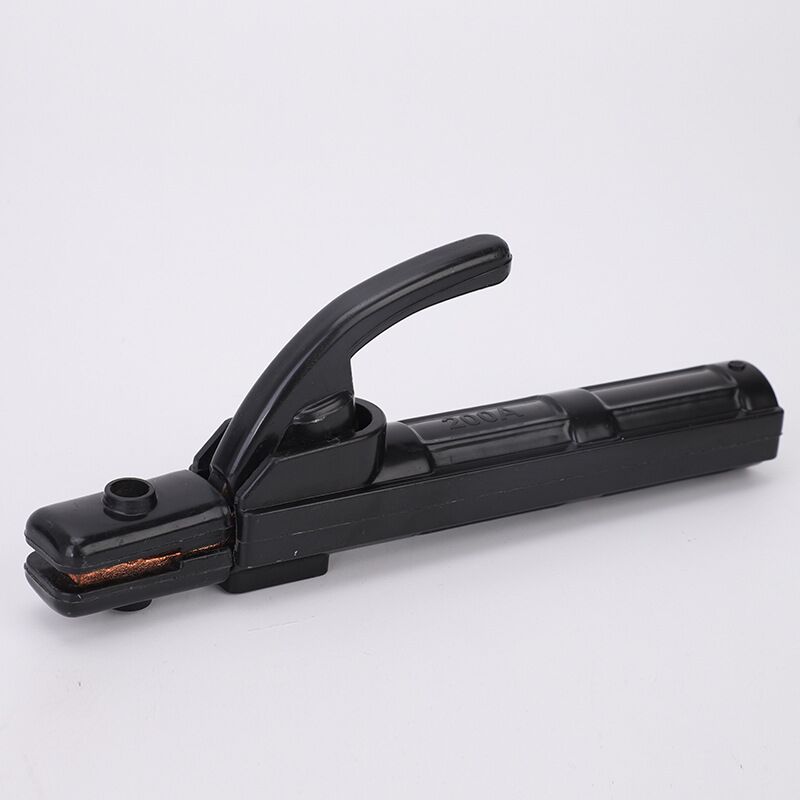
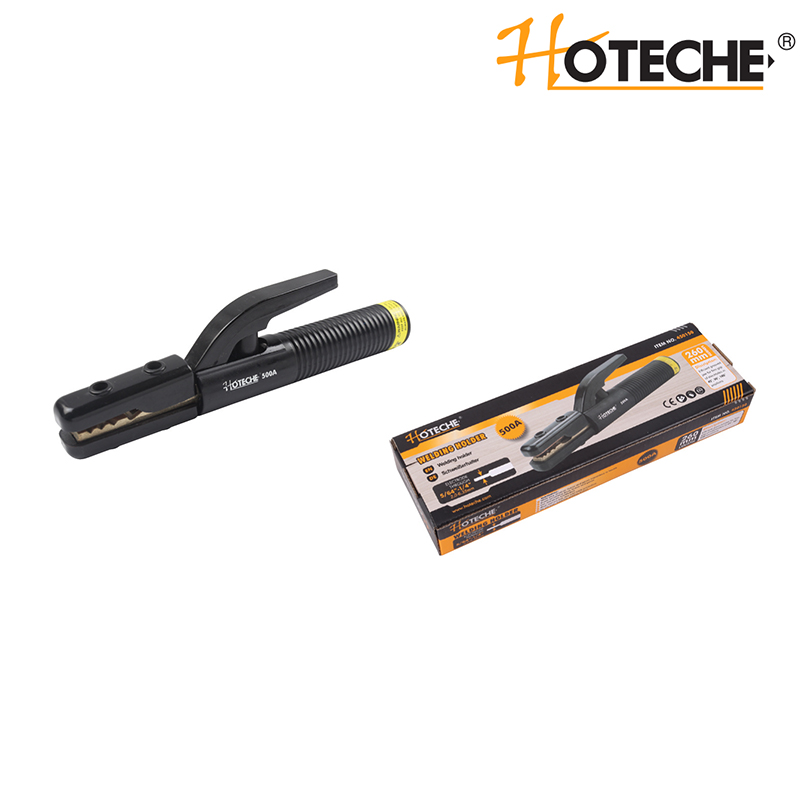
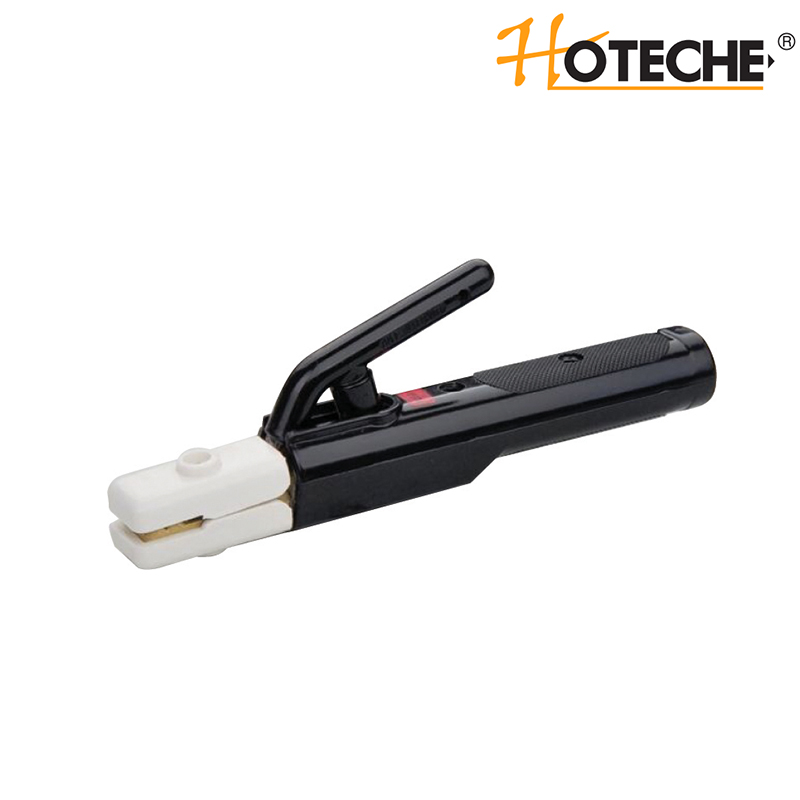
Electrode Holders
Source high-performance Electrode Holders directly from vetted manufacturers and suppliers in China and across Asia. Engineered for importers, industrial wholesalers, distributors, and tool brands seeking reliable OEM and private-label production, our network delivers bulk manufacturing with strict quality control.
Sourcing electrode holders in volume requires balancing raw material costs—specifically copper and high-grade insulators—with strict safety and durability standards. Because these tools operate under extreme thermal and electrical stress, a supplier's ability to maintain consistent alloy purity and spring tension across a production run is critical. For bulk buyers, the challenge lies in verifying that the factory's internal specifications match your market's demands, especially when raw material substitution is common.
Core Specifications and Material Selection
The performance and safety of an electrode holder are dictated by its jaw material, body insulation, and current-carrying capacity. Factories often offer multiple tiers of the same design, making material verification essential.
Conductor and Jaw Materials
The internal conductor and clamping jaws are the most expensive components. Copper purity directly affects conductivity and heat dissipation.
- Pure Copper/Forged Copper: Offers the highest conductivity and longest lifespan. Essential for heavy-duty 500A to 800A holders.
- Brass: A common mid-tier option. It provides adequate conductivity for 200A to 300A holders but runs hotter under sustained loads.
- Copper-Coated Iron/Zinc: Often found in ultra-low-cost economy models. These degrade rapidly, cause arc instability, and pose overheating risks.
| Material Type | Typical Amperage | Heat Dissipation | Cost Profile |
|---|---|---|---|
| Forged Copper | 500A - 800A+ | Excellent | Premium |
| Brass | 200A - 400A | Moderate | Standard |
| Copper-Coated Iron | Under 200A | Poor | Economy |
Insulation Compounds
The handle and jaw insulators must withstand high temperatures, spatter, and mechanical impact. Bakelite is the traditional standard, but modern production favors composites. DMC (Dough Molding Compound) offers good impact resistance for standard holders, while SMC (Sheet Molding Compound) provides superior thermal stability and durability for industrial-grade applications. Fiberglass-reinforced plastics are also utilized for premium lightweight models.
Need help verifying a manufacturer's material specifications? We can connect you with audited factories that meet strict industrial standards.
Talk to our teamManufacturing Quality and Common Defects
Quality control on the factory floor determines whether an electrode holder will survive heavy industrial use or fail prematurely. When evaluating a supplier, their testing protocols for spring tension and thermal limits are just as important as their assembly line efficiency.
Relying on comprehensive Factory Audits before placing high-volume orders ensures the manufacturer has the testing equipment necessary to validate duty cycles and material composition.
Critical QC Checks for Electrode Holders
- Spring Tension: Must securely grip electrodes at multiple angles (typically 45, 90, and 180 degrees) without slippage.
- Insulation Integrity: Housings must be free of micro-cracks and align perfectly to prevent live-part exposure.
- Weight Tolerance: A sudden drop in batch weight often indicates the factory substituted lighter, cheaper alloys in the jaws.
- Cable Connection: Hex screws and clamping plates must thread smoothly and hold high-gauge welding cable securely.
OEM/ODM Customization for Tool Brands
For brands building a proprietary line of welding accessories, differentiation is key. Most reputable manufacturers offer extensive OEM/ODM Services, allowing you to customize everything from the handle ergonomics to the jaw design.
Common customizations include:
- Branding: Mold-injected logos on the handle or laser etching on the metal jaws.
- Ergonomics: Custom handle grips, ribbed textures for gloved hands, or specific colorways to match your brand identity.
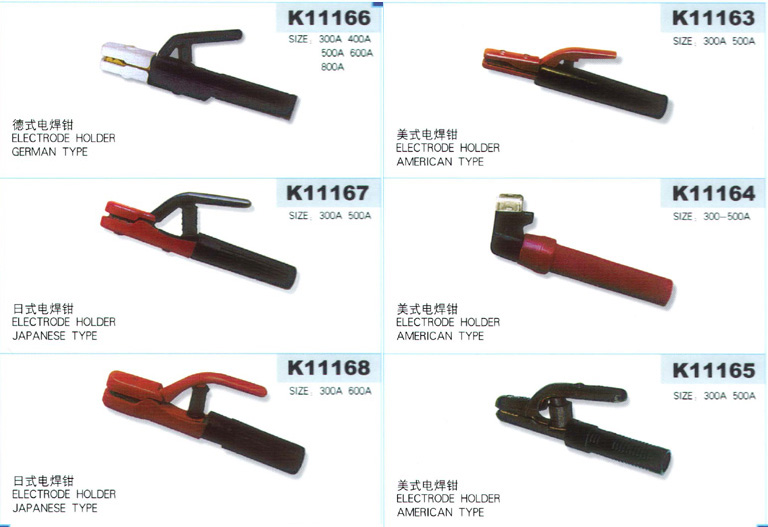
- Jaw Types: Specifying Dutch style, American style, or fully enclosed twist-type holders based on regional market preferences.
Pricing, MOQs, and Lead Times
Electrode holder pricing is heavily indexed to the London Metal Exchange (LME) copper prices. When copper prices surge, expect factories to push for price adjustments or subtly offer brass alternatives.
Because of the weight of the metal components, these products are dense. Optimizing your packaging and pallet configurations is crucial for managing freight costs.
Ready to optimize your welding supply chain? Let us handle the price negotiations, quality control, and logistics for your next bulk order.
Get a free consultationFrequently Asked Questions
Successfully sourcing electrode holders at scale requires constant vigilance over raw material purity and assembly standards. By partnering with vetted manufacturers and enforcing strict quality protocols, you can secure reliable, high-performance tools that protect both the end-user and your brand's reputation.
Get Sourcing Help for Electrode Holders
Tell us your requirements and our experts will connect you with verified manufacturers.