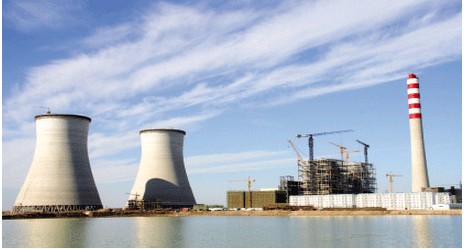
Electricity Generation Equipment
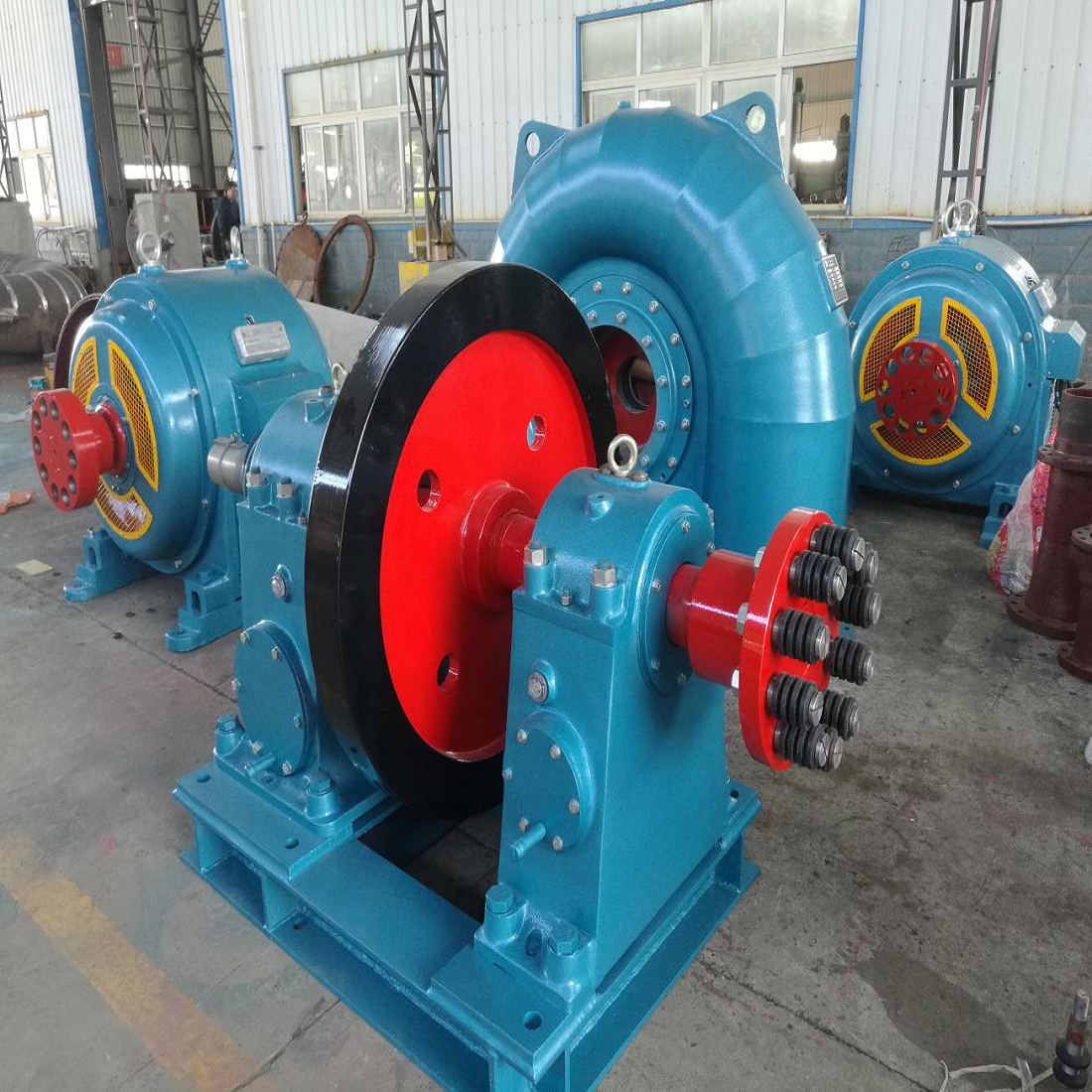
Source commercial and industrial Electricity Generation Equipment from vetted suppliers and manufacturers. Designed for importers, wholesalers, distributors, and brands requiring reliable OEM production, our network delivers scalable power solutions built to stringent international standards.
Sourcing heavy electricity generation equipment requires balancing capital expenditure with operational reliability. Whether you are importing standby power units for commercial facilities or prime continuous generators for off-grid construction sites, the margin for error is zero. Misaligned specifications, substandard component integration, or inadequate testing at the factory level can lead to catastrophic failure and costly downtime for your end-users.
Defining Critical Specifications
When negotiating with manufacturers, assuming standard configurations will meet your market's demands is a common pitfall. Asian manufacturers offer a vast spectrum of build qualities, and the onus is on the buyer to specify the exact bill of materials.
The most critical distinction is the power rating. A unit rated for 500kVA standby will not survive if deployed for 500kVA continuous prime power.
| Power Rating | Typical Application | Overload Capacity | Annual Run Time |
|---|---|---|---|
| Standby Power (ESP) | Emergency backup during grid failure | None allowed | Max 200 hours/year |
| Prime Power (PRP) | Main power source for off-grid sites | 10% overload for 1 hour in 12 | Unlimited hours/year |
| Continuous Power (COP) | Base load utility, co-generation | None allowed | Unlimited at 100% load |
Alternator and Winding Specifications
The alternator dictates the quality of the electricity produced. Always specify 100% copper windings. Some lower-tier factories may substitute Copper-Clad Aluminum (CCA) to cut costs, which significantly reduces the thermal capacity and lifespan of the unit. Additionally, specify the AVR (Automatic Voltage Regulator) brand and require a low THD (Total Harmonic Distortion), typically under 5%, to ensure safe operation with sensitive electronics.
Manufacturing Quality & Component Selection
The engine and alternator are the heart of the equipment, but the factory's integration and enclosure fabrication dictate the unit's longevity in the field.
Key Integration Points to Verify
- Control Panels: Specify recognized controllers (e.g., Deep Sea, ComAp, SmartGen) to ensure compatibility with local service technicians.
- Canopy Fabrication: Demand cold-rolled steel with a powder coating thickness of at least 80 to 100 microns to prevent rust.
- Sound Attenuation: Verify the density and fire-retardant properties of the acoustic foam used in silent canopies.
- Vibration Isolation: Ensure high-quality anti-vibration mounts are installed between the engine/alternator assembly and the base frame.
Need to verify a supplier's engineering capabilities and test cell capacity before placing a volume order?
Talk to our teamQuality Control & Factory Testing
You cannot rely solely on a factory's spec sheet; rigorous pre-shipment testing is mandatory. Proper Quality Control & Inspection for electricity generation equipment must include comprehensive load bank testing.
A standard factory test should run the unit at 25%, 50%, 75%, and 100% load, followed by a 110% overload test (for prime rated units) to monitor oil pressure, coolant temperature, exhaust emissions, and voltage stability. Because not all assembly plants have adequate load banks for multi-megawatt units, conducting comprehensive Factory Audits early in the sourcing process is essential to confirm they actually have the infrastructure to test what they build.
Pricing, MOQs, and Lead Times
Wholesale pricing in this category is highly volatile, driven by the global commodities market (steel, copper) and the specific engine brand selected.
- MOQs: For large industrial sets (over 100kVA), MOQs are often as low as 1 to 2 units. For smaller commercial or portable units, expect MOQs of 20 to 50 units.
- Lead Times: Standard production takes 30 to 45 days. If you specify imported engines (e.g., UK-built Perkins or US-built Cummins rather than their localized joint-venture counterparts), lead times can easily stretch to 60 to 90 days.
- Logistics: Electricity generation equipment is exceptionally heavy and bulky. Megawatt-class units often require flat racks or open-top containers. Securing expert Shipping & Freight coordination is vital to manage weight distribution limits, crane loading at the port, and complex customs documentation.
Managing complex heavy machinery logistics and factory negotiations? Let our experts streamline your procurement.
Get a free consultationFrequently Asked Questions
Sourcing electricity generation equipment is an exercise in rigorous specification and unrelenting quality control. Success depends not just on selecting the right components, but on partnering with a factory capable of precision integration and exhaustive load testing.
Get Sourcing Help for Electricity Generation Equipment
Tell us your requirements and our experts will connect you with verified manufacturers.