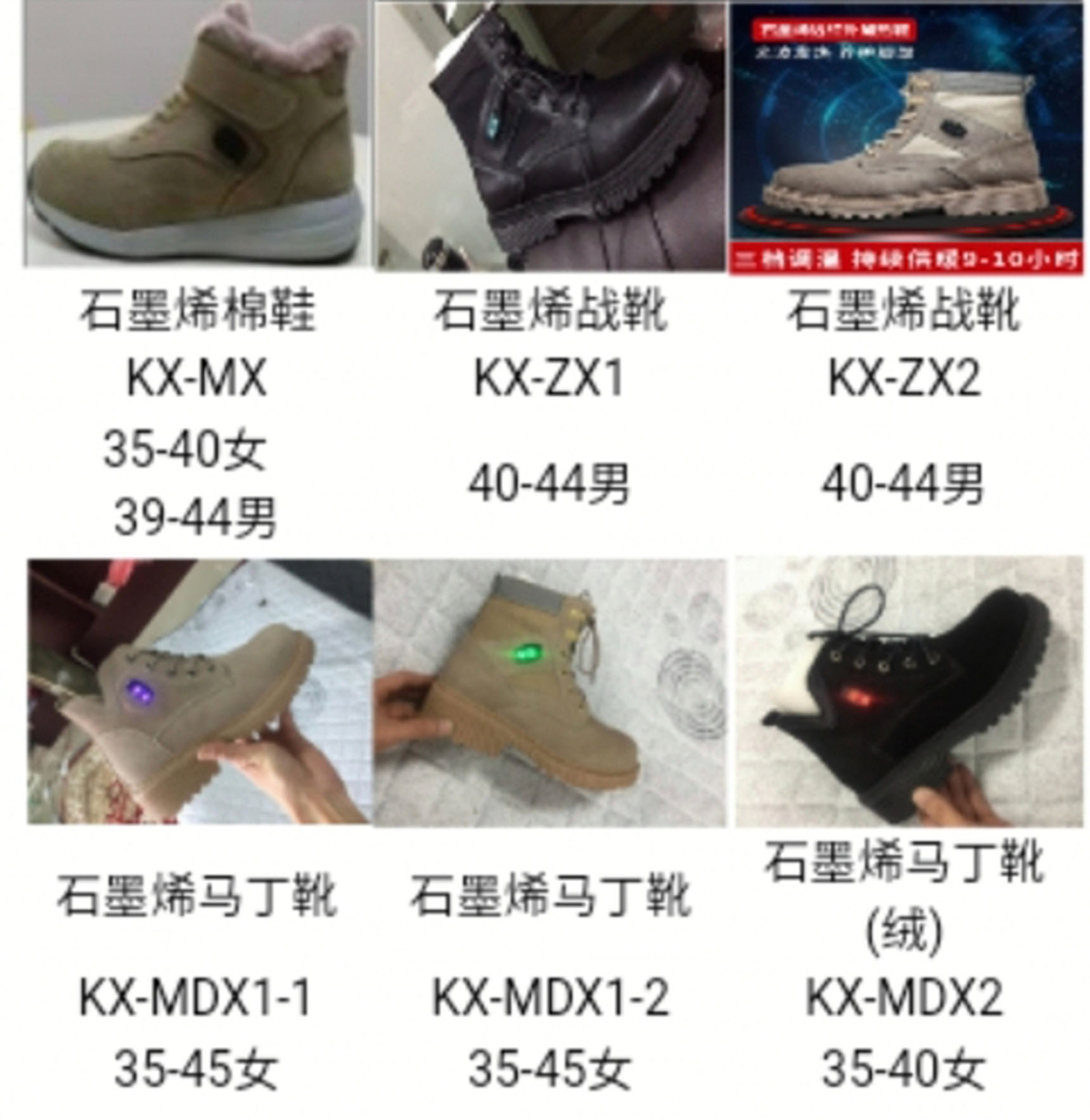
Electrically Heated Shoes
Source bulk electrically heated shoes directly from vetted manufacturers and suppliers. Designed for importers, distributors, and brands seeking reliable OEM and private-label production, our catalog connects you with factory-direct pricing for high-performance heated footwear.
Sourcing electrically heated shoes requires navigating the intersection of traditional footwear manufacturing and consumer electronics. Because these products function as wearable appliances, bulk procurement demands strict attention to battery safety, heating element durability, and moisture protection. A failure in the electronic components renders the shoe useless, while poor footwear construction compromises the user's comfort and safety.
Core Specifications: Heating Systems and Batteries
The reliability of a heated shoe depends entirely on the quality of its internal components. When specifying your requirements to a factory, the two most critical decisions are the type of heating element and the battery system voltage.
Carbon fiber heating elements have largely replaced traditional copper or composite wire in high-quality heated footwear. Carbon fiber is highly flexible, providing even heat distribution while easily surviving the millions of flex cycles a shoe undergoes during its lifespan.
| System Voltage | Heating Performance | Typical Application | Battery Integration |
|---|---|---|---|
| 3.7V Systems | Moderate, steady warmth | Everyday winter wear, light outdoor | Compact, easily hidden in the collar or tongue |
| 7.4V Systems | Rapid heating, high maximum temp | Extreme cold weather, hunting, heavy work boots | Requires larger housing, often external or bulky |
Battery capacity, typically ranging from 2000mAh to 5000mAh, dictates the runtime. However, larger capacities require larger physical cells, which complicates the shoe's design and can affect the wearer's comfort if not properly integrated into the upper or sole.
Manufacturing Challenges and Quality Control
The primary manufacturing challenge is integrating rigid electronic components into a flexible, moisture-exposed environment. The wiring harness connecting the battery to the heating pad (usually located in the toe box or under the insole) must be shielded from both mechanical stress and water ingress.
If you are developing a custom line, utilizing OEM/ODM Services is highly recommended to ensure the factory has the specialized tooling required for electronic integration. Waterproofing is non-negotiable; the electronic housing and wiring must achieve an IPX4 rating at minimum, with IPX7 preferred for outdoor and workboot applications.
Need help vetting suppliers with proven wearable tech experience?
Talk to our teamTo mitigate risks, rigorous Quality Control & Inspection must be implemented not just post-production, but in-line. Once the shoe is stitched and glued, inspecting the internal wiring is impossible without destroying the product.
Critical Pre-Shipment Inspection Points
- Thermal imaging to verify even heat distribution across the specified zones.
- Flex-testing of the sole to ensure the heating element and wiring do not sever.
- Water submersion tests on the battery housing and connection ports.
- Verification of battery safety circuits (overcharge and short-circuit protection).
Furthermore, because these products contain lithium-based batteries, they are subject to strict international transport and market regulations. Ensuring your supplier can provide valid UN38.3 test reports for shipping, alongside CE, RoHS, or UL certifications for the target market, is vital. Partnering with experts for Compliance & Testing early in the sourcing process prevents costly customs seizures.
Sourcing Mechanics: MOQs, Lead Times, and Pricing
Because electrically heated shoes require the procurement of specialized electronic sub-assemblies (batteries, control modules, heating pads) alongside standard footwear materials, minimum order quantities (MOQs) and lead times are generally higher than standard footwear.
Pricing is highly volatile and scales directly with battery capacity and the quality of the upper material. A basic 3.7V synthetic winter boot will occupy the lower end of the pricing spectrum, while a 7.4V full-grain leather work boot with a high-capacity Li-Po battery and Bluetooth temperature control will command a premium.
Ready to price out your custom heated footwear line with reliable manufacturers?
Get a free consultationFrequently Asked Questions
Successfully sourcing electrically heated shoes means evaluating a supplier's capability in both footwear craftsmanship and electronics assembly. Prioritizing robust quality control and strict compliance ensures your product performs safely in the harshest winter conditions.
Get Sourcing Help for Electrically Heated Shoes
Tell us your requirements and our experts will connect you with verified manufacturers.