Electrical Ceramics
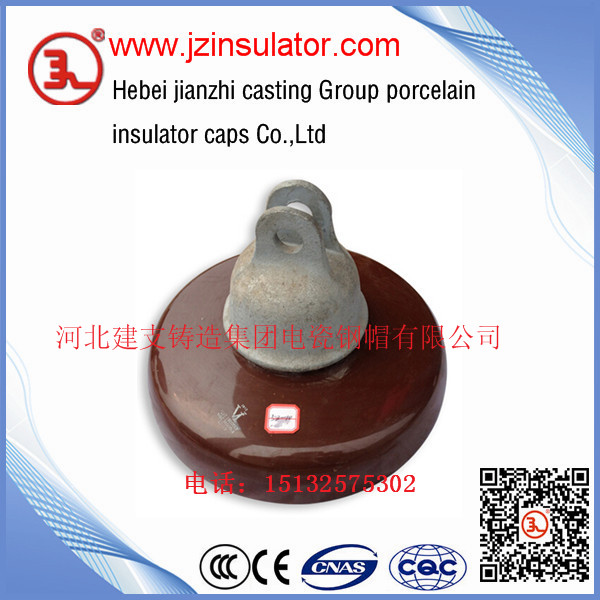
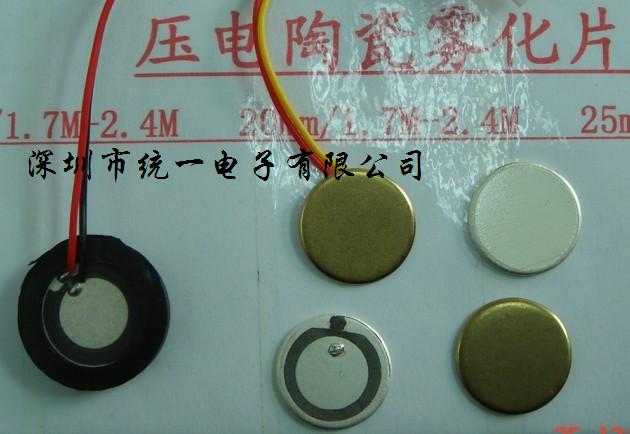
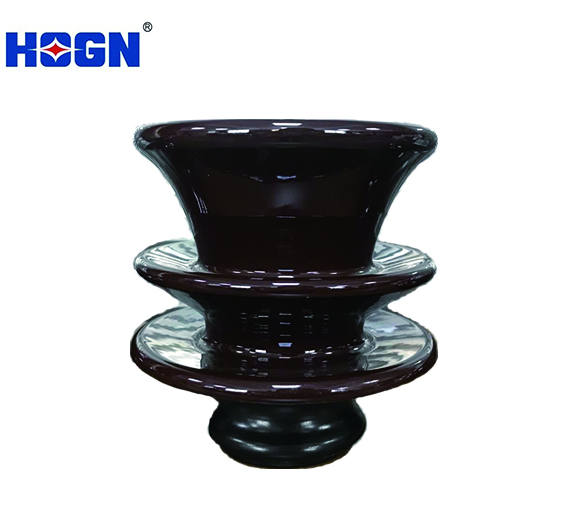
Source bulk electrical ceramics from vetted manufacturers and suppliers. Designed for procurement managers, wholesale distributors, and OEM brands, this catalog features high-grade alumina, steatite, and cordierite components. Secure reliable factory-direct pricing for your custom and standard high-voltage applications.
Sourcing electrical ceramics in volume requires navigating a complex trade-off between thermal stability, dielectric strength, and precise dimensional tolerances. Whether you are procuring high-alumina substrates for power electronics or steatite insulators for heating elements, the primary manufacturing challenge lies in controlling the shrinkage rate during the high-temperature sintering process. A factory's ability to manage this shrinkage dictates the final yield and the reliability of your components.
Material Selection for Electrical Applications
Specifying the correct ceramic body is the first critical step. Factories typically categorize production lines by material, as the firing temperatures and tooling requirements differ significantly.
| Material | Key Properties | Primary Applications |
|---|---|---|
| Alumina (95% to 99%) | High mechanical strength, excellent thermal conductivity, superior dielectric strength. | Circuit substrates, high-voltage insulators, heavy-duty wear parts. |
| Steatite | Low dielectric loss at high frequencies, cost-effective processing. | Thermostat housings, switch components, low-tension insulators. |
| Cordierite | Outstanding thermal shock resistance, low coefficient of thermal expansion. | Heating element supports, arc chutes, welding nozzles. |
When working with a manufacturer on OEM/ODM Services for custom components, ensure the factory has specific experience pressing and firing the exact material grade your application requires. A factory specializing in structural alumina may lack the precision tooling experience needed for intricate steatite switchgear parts.
Manufacturing Complexities and Quality Control
The production of electrical ceramics generally involves powder preparation, forming (dry pressing, extrusion, or injection molding), and sintering. Because ceramic parts shrink by 15 percent to 20 percent during firing, achieving tight dimensional tolerances directly off the kiln is difficult. If your design requires tolerances tighter than ±1 percent, the factory will need to perform secondary machining (diamond grinding or lapping), which significantly increases the unit cost.
Struggling with inconsistent tolerances or high defect rates from your current ceramic supplier? Let our engineering team evaluate your technical drawings and match you with a capable manufacturer.
Talk to our teamTo prevent catastrophic failures in high-voltage or high-temperature environments, rigorous Quality Control & Inspection must be implemented at the factory level.
Critical Factory-Level Inspections
- Dye Penetration Testing: Verifies the absence of micro-cracks and ensures zero porosity (crucial for preventing moisture ingress and dielectric breakdown).
- Dimensional Verification: Post-sintering checks using optical comparators to confirm shrinkage remained within the calculated tooling offsets.
- Dielectric Strength Testing: High-voltage breakdown tests conducted per batch to verify electrical insulation capabilities.
- Metallization Adhesion (if applicable): Peel tests to ensure metal layers (molybdenum/manganese) are properly bonded to the ceramic substrate for soldering.
Tooling, MOQs, and Production Economics
Electrical ceramics are heavily volume-dependent. Because dry pressing requires custom steel or carbide tooling, factories enforce strict Minimum Order Quantities (MOQs) to amortize setup times.
Tooling costs can range from a few hundred dollars for simple single-cavity steel molds to several thousand dollars for multi-cavity tungsten carbide tools required for high-volume, abrasive alumina runs. Before authorizing tooling funds, conducting thorough Factory Audits is highly recommended to verify the supplier's in-house tooling capabilities and kiln capacity.
Ready to tool up a new ceramic component? We can help you negotiate tooling ownership, validate factory capabilities, and secure competitive mass-production pricing.
Get a free consultationBuyer FAQ
Sourcing electrical ceramics successfully requires looking past the quoted unit price and evaluating the manufacturer's process control, tooling expertise, and quality assurance protocols. Partnering with a specialized sourcing team ensures your components meet strict electrical and dimensional specifications from the first production run to the last.
Get Sourcing Help for Electrical Ceramics
Tell us your requirements and our experts will connect you with verified manufacturers.