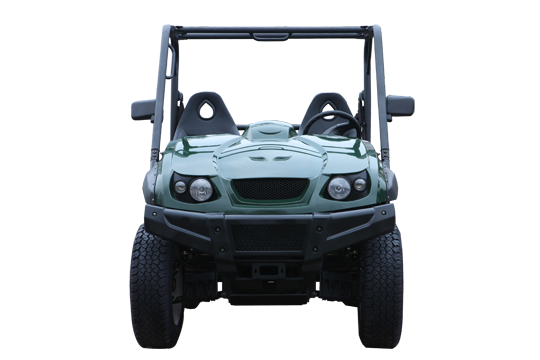
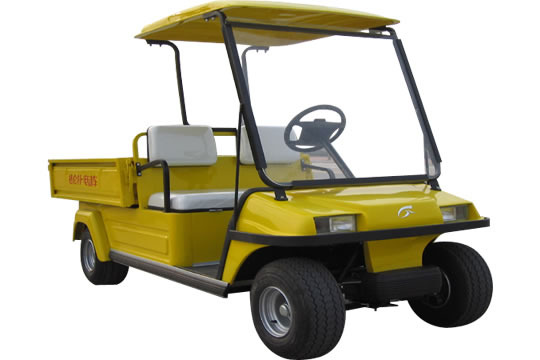
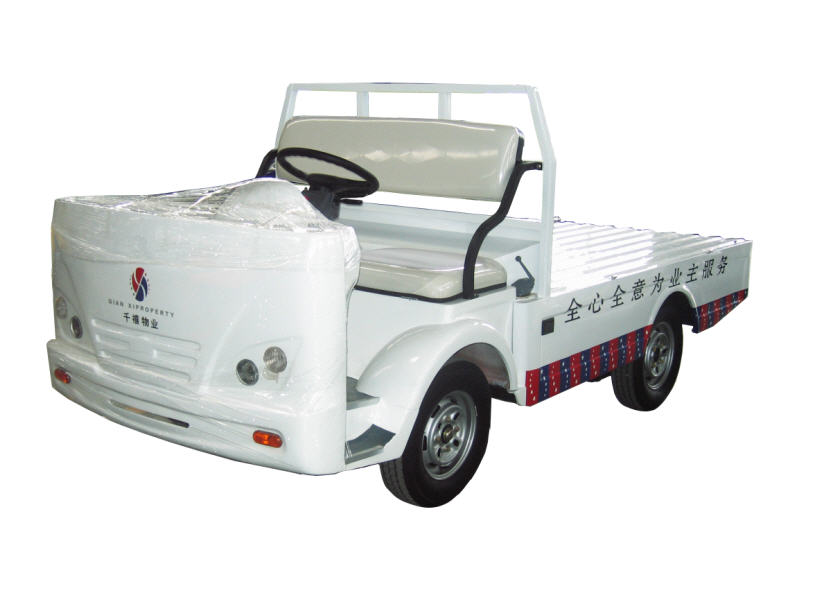
Electric UTVs
Source high-performance electric UTVs from vetted suppliers and manufacturers across Asia. Designed for importers, distributors, and brands seeking reliable OEM/private-label production, this catalog connects you with factory-direct wholesale pricing for utility, recreational, and agricultural electric side-by-sides.
Sourcing electric Utility Terrain Vehicles (UTVs) at volume requires balancing powertrain reliability, battery chemistry, and structural integrity. As global demand shifts toward zero-emission off-road vehicles, buyers face a highly fragmented manufacturing base, primarily concentrated in China's Zhejiang and Jiangsu provinces. The key to a successful import program lies in qualifying factories capable of consistent, automotive-grade assembly rather than standard low-speed vehicle manufacturing.
Powertrain and Battery Specifications
The core of any electric UTV is its powertrain. When evaluating supplier capabilities, pay close attention to the motor type, controller brand, and battery chemistry, as these dictate both performance and wholesale cost.
| Component | Standard / Utility Focus | Premium / Performance Focus |
|---|---|---|
| Motor Type | AC Induction (4kW - 7.5kW) | PMSM (Permanent Magnet Synchronous Motor, 10kW+) |
| Battery Chemistry | AGM Lead-Acid (60V/72V) | LiFePO4 (Lithium Iron Phosphate, 72V/96V) |
| Controller | Domestic Chinese Brands | Curtis, Sevcon, or Inmotion |
LiFePO4 batteries are increasingly the standard for modern electric UTVs due to their higher energy density, lower weight, and longer lifecycle (often exceeding 2,000 charge cycles). However, battery management systems (BMS) vary wildly in quality. A poorly calibrated BMS can lead to cell imbalance and premature failure under heavy off-road loads.
Manufacturing Standards and Defect Prevention
Electric UTVs endure significant torsional stress. Factories transitioning from basic golf cart production often struggle with the structural rigidity required for off-road use.
Critical Factory-Level Inspection Points
- Chassis Welding: Look for robotic MIG welding on high-stress frame nodes rather than manual spot welds.
- Wiring Harness Routing: High-voltage cables must be properly shielded, routed away from moving suspension parts, and secured with automotive-grade loom.
- Waterproofing: Controllers, motors, and battery enclosures should meet IP67 standards for water and dust resistance.
- Suspension Geometry: Verify bushing quality and shock absorber dampening consistency under maximum payload.
Catching integration issues early is critical. We strongly recommend implementing rigorous quality control and inspection protocols, including water intrusion tests and dyno testing for motor controller calibration, before the units are packed for shipping.
Avoid costly recalls by establishing strict, factory-level inspection protocols for your electric UTV orders.
Discuss your QC requirementsCertifications and OEM Customization
For importers and brands, regulatory compliance is a strict barrier to entry. If you are importing to North America or Europe, the factory must be able to provide valid documentation.
- Europe: EEC / COC (Certificate of Conformity) for road-legal homologation (L7e category).
- North America: EPA certification (even for electric vehicles, certain battery/charger compliance is required) and DOT compliance for low-speed vehicle (LSV) street use.
If you are building a private-label brand, engaging in OEM/ODM services allows you to spec custom suspension setups, proprietary body plastics, and branded digital displays. Ensure your supplier has an in-house R&D team capable of modifying the chassis to accommodate larger battery packs if you require extended range. Validating these capabilities requires thorough factory audits before placing tooling deposits.
Wholesale Pricing, MOQs, and Lead Times
Electric UTV pricing is heavily dictated by battery capacity and motor output. Because these vehicles are bulky, shipping efficiency plays a massive role in unit economics.
- CBU (Completely Built Up): Ready to drive, but takes up maximum container space (usually 2 to 4 units per 40HQ).
- SKD (Semi-Knocked Down): Roll cage, wheels, and suspension removed. Significantly reduces freight costs per unit (fitting up to 8 units per 40HQ) but requires assembly at your destination facility.
Pricing for a basic lead-acid, 4kW utility model typically starts in the lower thousands, while high-performance 15kW+ lithium-powered models with advanced suspension can command wholesale prices double or triple that amount.
Need help optimizing your container load or negotiating factory-direct pricing? Talk to our sourcing experts.
Get a free consultationFrequently Asked Questions
Successfully importing electric UTVs at scale is about far more than finding the lowest unit price. It requires a deep understanding of electrical integration, battery safety, and structural durability. By partnering with the right manufacturer and enforcing strict quality standards, you can build a highly profitable, reliable vehicle lineup. If you need experienced eyes on the factory floor, our team is ready to assist.
Get Sourcing Help for Electric UTVs
Tell us your requirements and our experts will connect you with verified manufacturers.