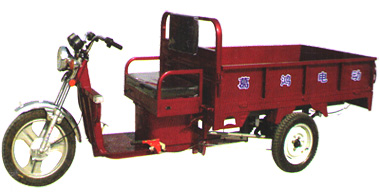
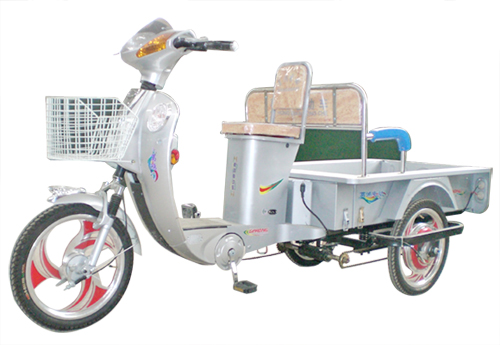
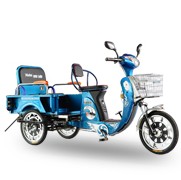
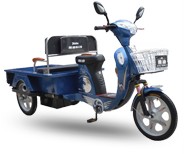
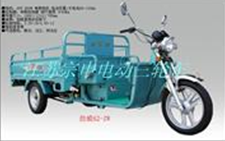
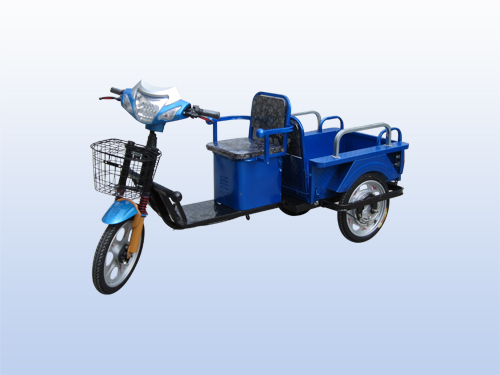
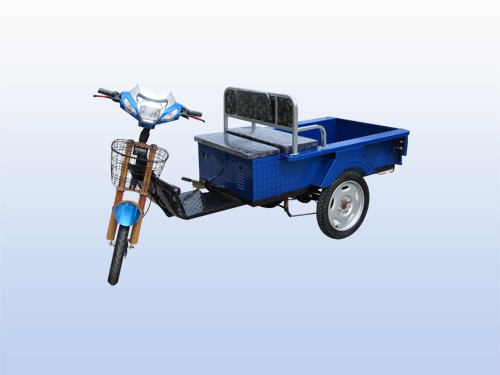
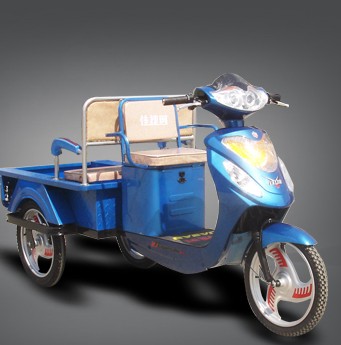
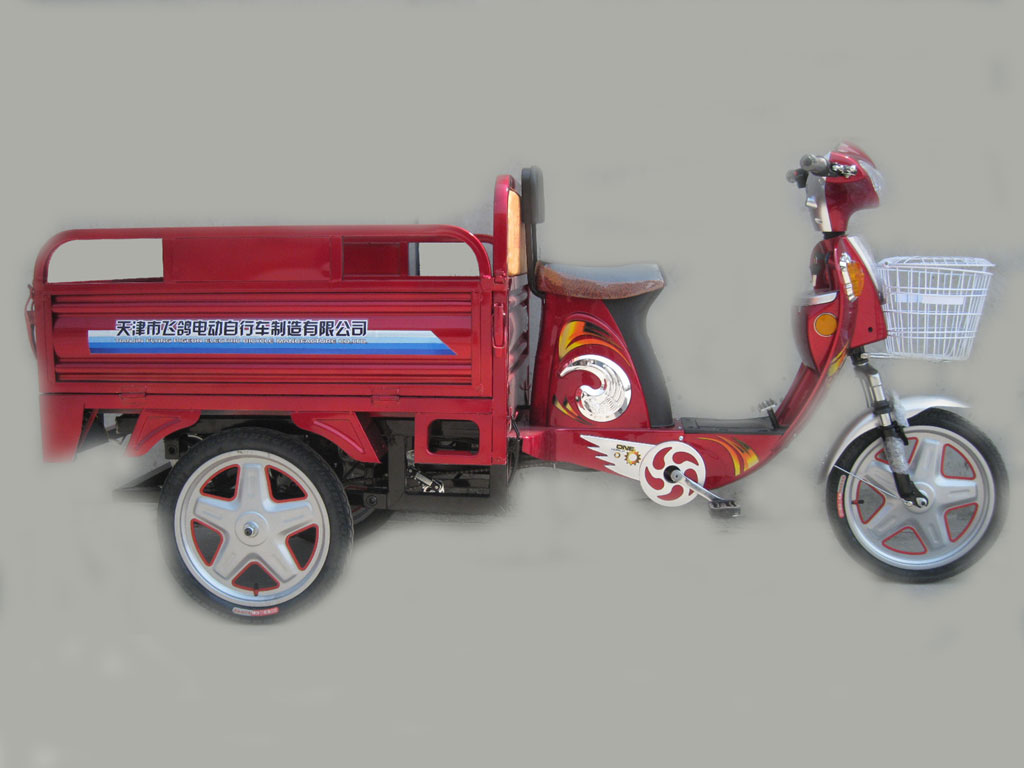
Electric Tricycles
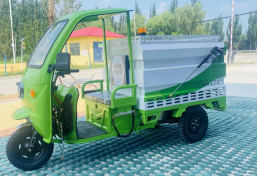
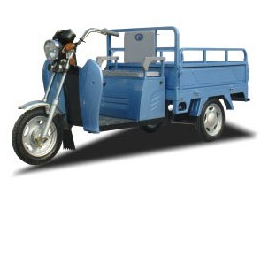
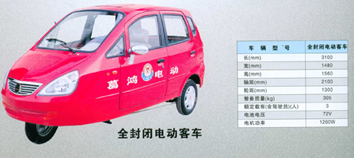
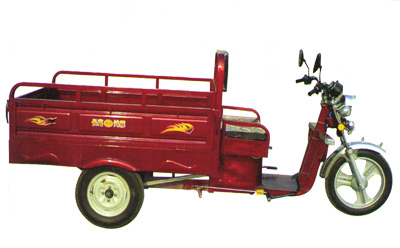
Source commercial and passenger Electric Tricycles from vetted manufacturers and wholesale suppliers. Designed for importers, distributors, and brands seeking reliable OEM and private-label production, our network delivers scalable manufacturing, rigorous quality control, and competitive bulk pricing for global markets.
Sourcing electric tricycles (e-trikes) in volume requires a strict balance between powertrain reliability, structural integrity, and regulatory compliance. Whether you are importing heavy-duty cargo models for last-mile logistics or passenger tricycles for urban mobility, your choice of manufacturer dictates the vehicle's lifespan, safety, and total cost of ownership. Navigating the supplier landscape means looking past cosmetic designs to evaluate battery chemistry, motor efficiency, and chassis engineering.
Core Technical Specifications to Define
When negotiating with electric tricycle manufacturers, relying on off-the-shelf spec sheets often leads to inconsistent performance. Professional buyers must specify the core components that drive durability and power.
- Motor Type and Output: Most commercial e-trikes utilize Brushless DC (BLDC) motors. Specify the wattage based on payload: 500W to 800W for light passenger use, and 1000W to 3000W for heavy cargo. Differentiate between hub motors (cheaper, easier to maintain) and mid-drive motors with differential rear axles (superior torque for heavy loads and inclines).
- Controller Configuration: The controller is the brain of the e-trike. Specify sine-wave controllers over square-wave for smoother acceleration and better motor efficiency. Ensure the controller's amp rating matches the motor's peak draw to prevent overheating.
- Chassis and Suspension: For cargo models, demand high-carbon steel frames with reinforced load-bearing points. Front hydraulic shock absorbers and rear leaf springs are standard requirements for payloads exceeding 300 kg.
| Battery Chemistry | Voltage/Capacity | Lifespan | Best For |
|---|---|---|---|
| Sealed Lead-Acid (SLA) | 48V/60V 20Ah-45Ah | 300-500 cycles | Price-sensitive markets, heavy cargo |
| Lithium-Ion (NMC) | 48V/60V 30Ah+ | 800-1000 cycles | Passenger models, urban commuting |
| Lithium Iron Phosphate (LiFePO4) | 60V/72V 40Ah+ | 2000+ cycles | High-end commercial fleets, long-term ROI |
Need help evaluating supplier technical capabilities and component sourcing?
Talk to our teamManufacturing Tolerances and Quality Control
The gap between a premium electric tricycle and a high-maintenance liability is often found on the factory floor. Assessing a supplier's production line is critical. Frame welding quality and rust prevention are common failure points. Look for factories utilizing robotic welding for consistent bead quality and cathodic electrophoretic coating (electrophoresis) prior to painting to ensure long-term rust resistance.
Because e-trikes operate in diverse weather conditions, electrical system integration is a major quality control focus. Wiring harnesses must be properly routed, insulated, and feature IP-rated waterproof connectors.
Critical Pre-Shipment Inspection Points
- Verify battery capacity and voltage under load testing.
- Inspect frame weld penetration and chassis alignment.
- Test controller thermal management during continuous operation.
- Check waterproof sealing on all exposed wiring harnesses and connectors.
- Confirm braking system responsiveness (disc vs. drum) at maximum payload.
To mitigate risks before production begins, conducting thorough Factory Audits ensures the supplier has the actual machining and assembly capabilities they claim. During production, implementing systematic Quality Control & Inspection catches integration errors before the units are containerized.
Customization and OEM Production
For brands and distributors, differentiating your product line is essential. Most capable factories offer extensive OEM/ODM Services. Customization typically ranges from simple private labeling (custom decals, branded instrument clusters) to structural modifications like custom cargo box dimensions, specialized hydraulic dump beds, or upgraded passenger cabins.
When requesting structural modifications, ensure the factory re-evaluates the center of gravity and braking requirements, as altering the wheelbase or payload distribution fundamentally changes the vehicle's handling dynamics.
Pricing, MOQs, and Shipping Formats
Electric tricycle pricing is highly volatile, driven primarily by battery costs and steel commodities.
Shipping fully assembled units (CBU - Completely Built Up) is highly inefficient for freight density. Serious importers ship via SKD (Semi-Knocked Down) or CKD (Completely Knocked Down) formats to maximize the number of units per 40HQ container, drastically reducing the landed cost per unit. However, CKD requires you to have local assembly infrastructure. Coordinating these complex logistics and optimizing container loads is where professional Shipping & Freight management becomes indispensable.
Planning a bulk order and need to optimize your SKD/CKD shipping strategy?
Get a free consultationFrequently Asked Questions
Successfully sourcing electric tricycles at scale means looking beyond the unit price to understand the total landed cost—factoring in battery longevity, warranty defect rates, and freight optimization. Partnering with experienced sourcing professionals ensures your specifications translate into reliable, market-ready vehicles.
Get Sourcing Help for Electric Tricycles
Tell us your requirements and our experts will connect you with verified manufacturers.