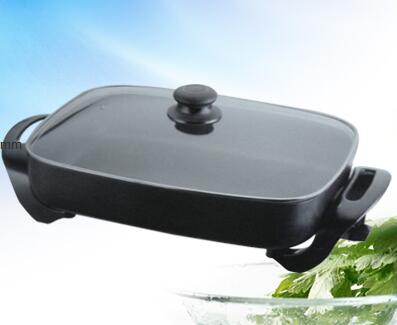
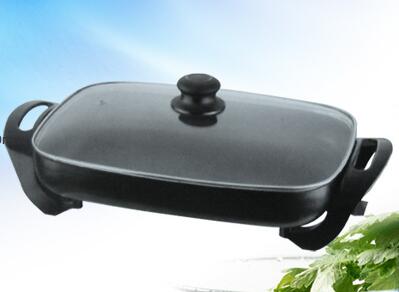
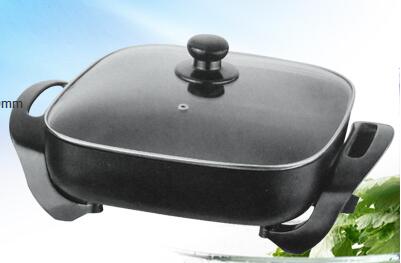
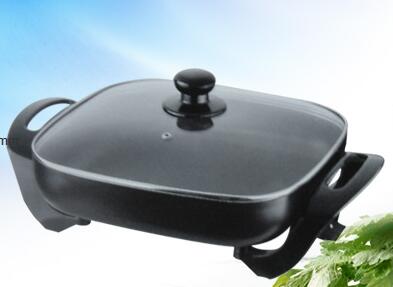
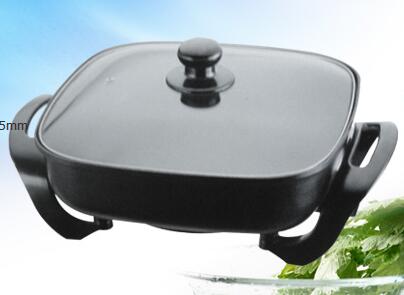
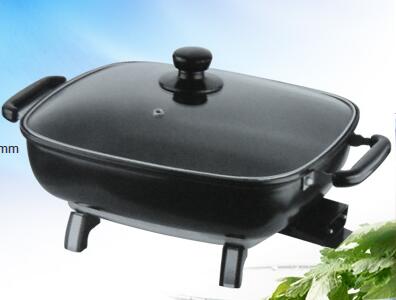
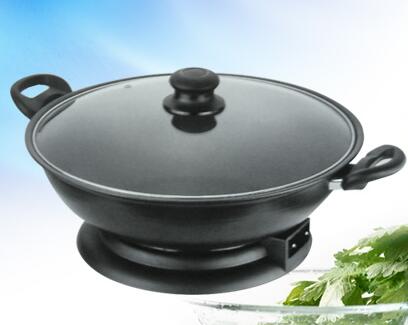
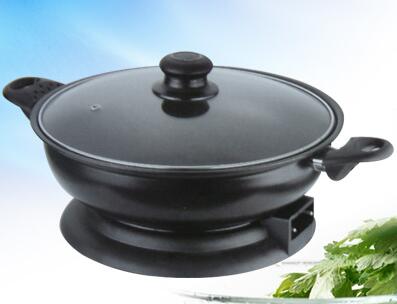
Electric Skillets
Source premium electric skillets from vetted manufacturers and suppliers in China and across Asia. Designed for importers, wholesalers, and appliance brands seeking reliable bulk purchasing or custom OEM/ODM production. Secure competitive wholesale pricing with comprehensive quality control and compliance support.
Sourcing electric skillets at scale requires balancing thermal efficiency, non-stick durability, and strict electrical safety standards. When buying in volume, the primary challenge is ensuring manufacturing consistency across production runs, particularly regarding the integration of cast-in heating elements and the calibration of removable thermostats. A minor deviation in die-casting or coating application can lead to high defect rates, product returns, and compliance failures.
Core Manufacturing Mechanics and Specifications
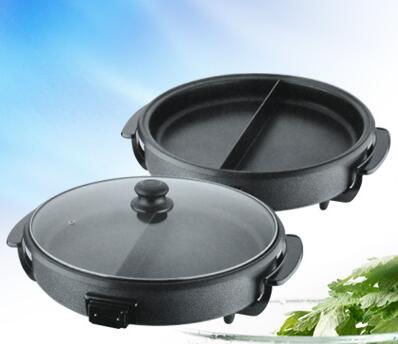
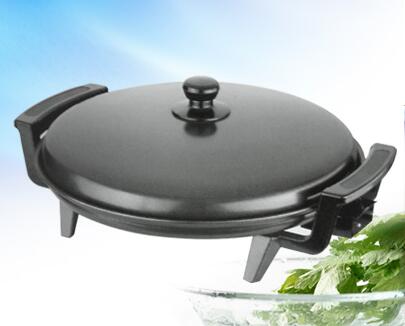
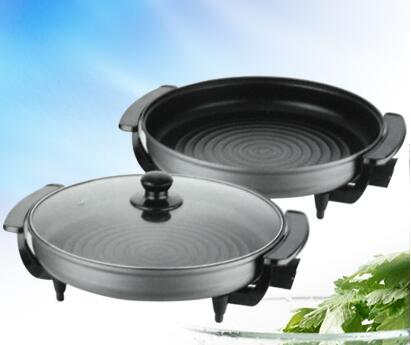
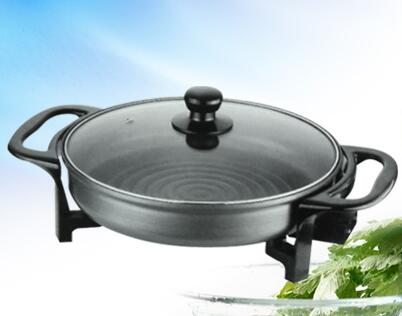
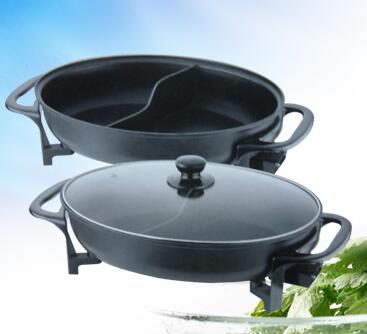
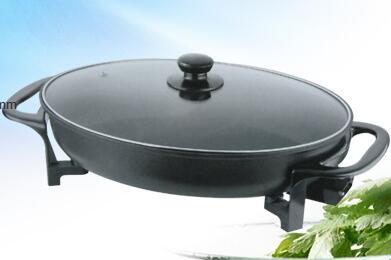
The foundation of a reliable electric skillet is the pan body and its integrated heating system. Commercial-grade units almost exclusively utilize die-cast aluminum rather than stamped metal. Die-casting allows the tubular heating element to be seamlessly embedded into the base, ensuring optimal heat transfer and preventing the pan from warping under high temperatures.
When negotiating with suppliers, you must define the exact technical parameters of the build. Leaving these to the factory's discretion often results in cost-cutting on unseen components.
Critical Specifications to Define for Production
- Wattage and Voltage: Typically 1200W to 1500W for standard domestic sizes. Specify exact voltage requirements for your target market (e.g., 120V for North America, 220-240V for Europe).
- Base Thickness: A thicker base (typically 2.5mm to 4.0mm) prevents hot spots and warping, though it increases aluminum material costs.
- Heating Element Configuration: Specify seamless stainless steel or incoloy tubular elements cast directly into the aluminum base.
- Thermostat Probe: Require bi-metal thermostats with defined tolerance ranges for temperature accuracy and a secure, standardized plug interface.
If you are developing a proprietary pan shape or adjusting the heating profile for a specific culinary application, you will need custom tooling. Partnering with a specialist in OEM/ODM Services ensures your design is engineered for manufacturability before the first mold is cut.
Need to customize tooling for a proprietary skillet design? We manage the engineering, factory negotiations, and tooling validation.
Talk to our teamSurface Coatings: PTFE vs. Ceramic
The non-stick coating is the most visible quality indicator to the end user. Factories typically offer standard PTFE (often referred to generically as Teflon) or sol-gel ceramic coatings. The durability of the coating depends heavily on the factory's application process—specifically, the sandblasting preparation and the curing temperature.
| Coating Type | Application Layers | Durability & Heat Resistance | Cost Impact |
|---|---|---|---|
| Standard PTFE | Usually 2-layer | Good release, heat resistance up to 260 degrees Celsius | Baseline cost |
| Reinforced PTFE (Titanium/Diamond) | 3-layer | High scratch resistance, excellent longevity | Moderate premium |
| Ceramic (Sol-Gel) | 1 to 2-layer | High heat resistance, eco-friendly marketing appeal, but loses release properties faster | Moderate to high premium |
Specifying branded coatings (like Whitford or PPG) adds cost but provides a verifiable standard of quality and safety compliance.
Quality Control and Compliance Standards
Electric skillets must pass rigorous testing for both electrical safety and food contact safety. In-line testing at the factory should include hi-pot (high potential) testing to ensure electrical insulation, as well as earth continuity checks.
Common Defect: Thermostat Calibration
A frequent issue in high-volume production is inconsistent thermostat calibration. If the bi-metal strip in the removable probe is poorly calibrated, the skillet will either fail to reach the target temperature or overheat, damaging the non-stick coating. Ensure your inspection protocol includes thermal testing under load.
To mitigate these risks, implementing robust Quality Control & Inspection is non-negotiable. Inspectors should pull samples from the line to verify temperature accuracy, coating adhesion (using cross-hatch testing), and the integrity of the die-cast aluminum (checking for porosity or voids).
Furthermore, you must ensure the product meets market-specific regulatory requirements. This includes UL or ETL certification for North America, CE, LVD, and RoHS for Europe, alongside FDA or LFGB testing for all food-contact surfaces. Engaging experts in Compliance & Testing early in the sourcing process prevents costly customs rejections.
Wholesale Pricing, MOQs, and Lead Times
Pricing for electric skillets is heavily influenced by the global commodity price of aluminum ingots, the type of coating specified, and the quality of the thermostat assembly.
Buyers should be wary of prices that fall significantly below the market average. Such quotes usually indicate the use of recycled aluminum with high impurity levels, thinner pan walls, or uncertified electrical components.
Struggling with inconsistent quality or rising material costs? Let us audit your supply chain and negotiate better terms on your behalf.
Get a free consultationFrequently Asked Questions
Successfully sourcing electric skillets requires a deep understanding of thermal engineering and rigorous oversight on the factory floor. By defining precise material specifications and maintaining strict quality control over the die-casting and coating processes, you can secure reliable, compliant appliances that build brand trust and minimize return rates.
Get Sourcing Help for Electric Skillets
Tell us your requirements and our experts will connect you with verified manufacturers.