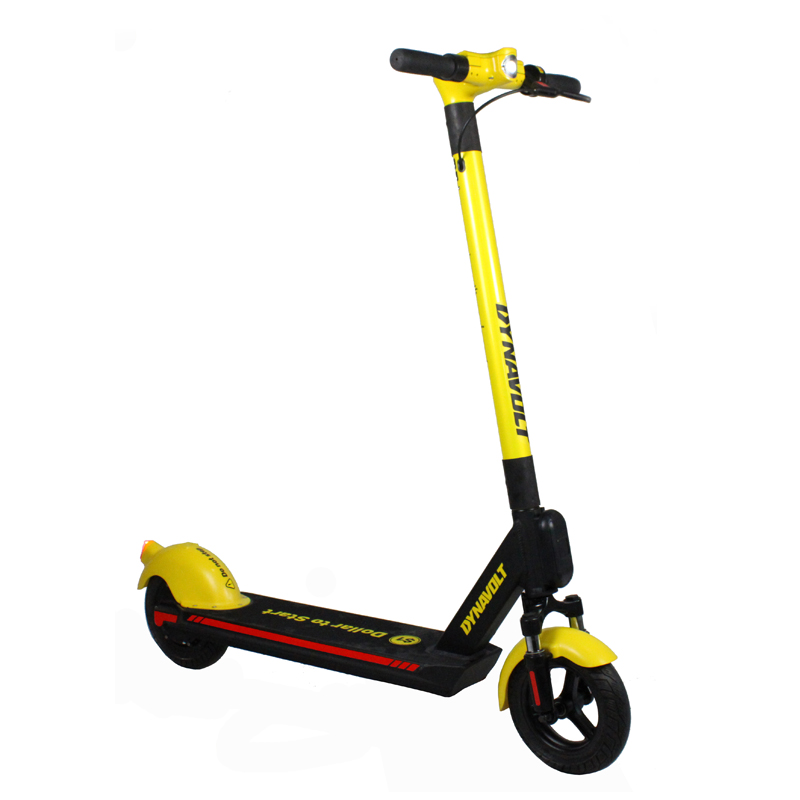
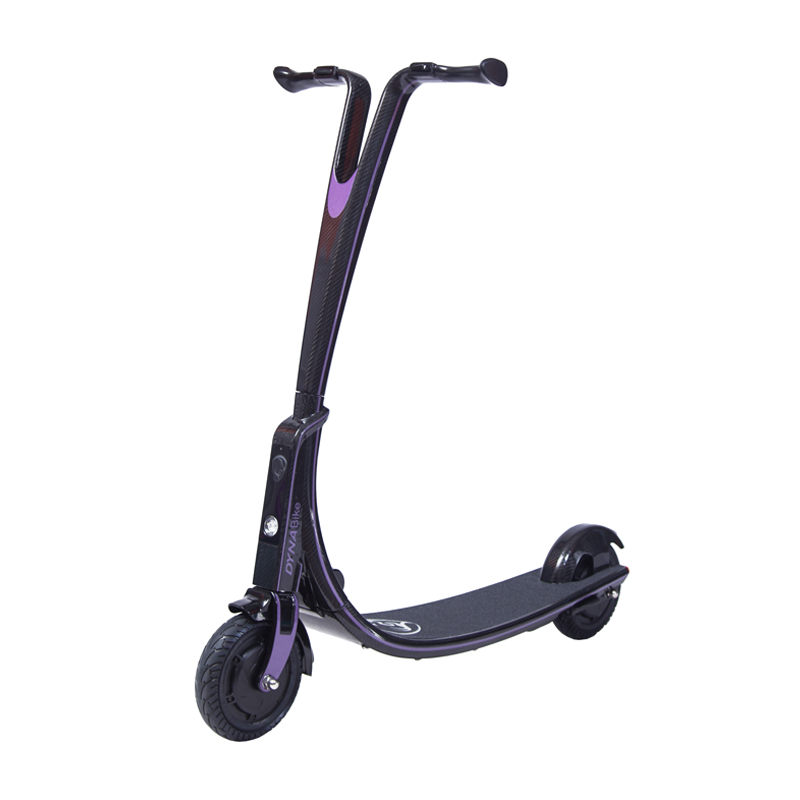
Electric Scooters
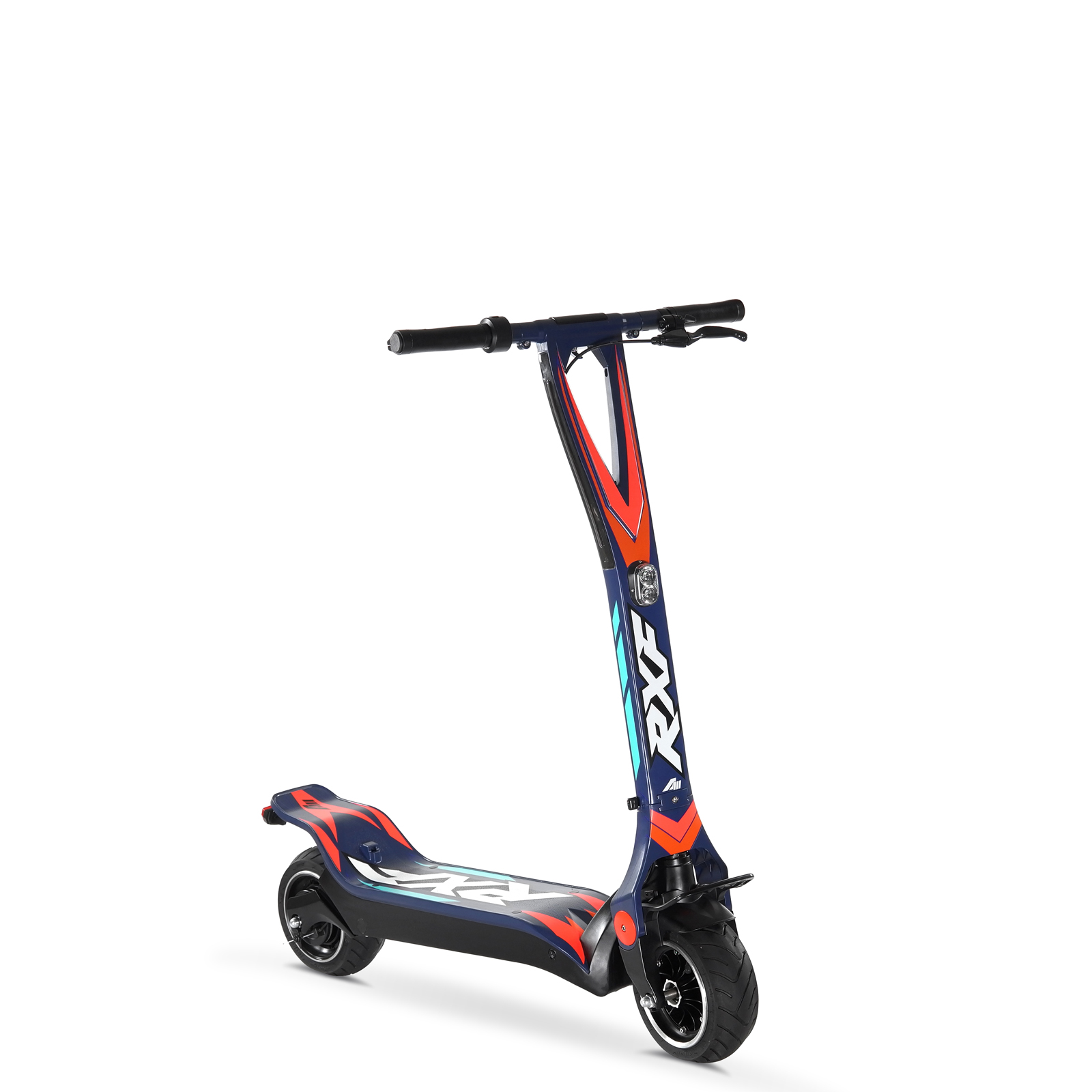
Source premium electric scooters in bulk from vetted manufacturers and suppliers across Asia. Designed for importers, wholesalers, and mobility brands, our network supports full OEM/ODM production and private-label manufacturing. Secure reliable quality, compliant battery systems, and competitive wholesale pricing for your fleet or retail distribution.
Sourcing electric scooters at scale requires navigating a complex matrix of battery chemistry, firmware stability, and structural integrity. A minor defect in a Battery Management System (BMS) or a poorly cast folding mechanism can lead to catastrophic failures, costly recalls, and severe liability. For volume buyers, success depends on strictly defining technical specifications and ensuring the factory has the engineering capability to execute them consistently.
Core Specifications for OEM/ODM Production
When engaging a manufacturer for OEM/ODM production, generic spec sheets are insufficient. Factories often quote based on peak performance rather than continuous output, or substitute generic battery cells to hit target pricing. You must specify the exact components and their performance parameters.
| Component | Standard Commuter | Premium / High-Performance |
|---|---|---|
| Battery Cells | Generic 18650 (Lithium-ion) | Tier 1 (LG, Samsung, Panasonic) 21700 |
| BMS Setup | Hardware-based, basic overcharge protection | Smart BMS with app integration and thermal sensors |
| Motor (Nominal) | 250W - 350W Brushless DC (BLDC) | Dual 1000W+ BLDC with Hall sensors |
| Controller | Square wave (abrupt acceleration) | Sine wave (smooth, efficient power delivery) |
| Chassis Material | Die-cast Aluminum alloy | Forged 6061-T6 Aviation-grade Aluminum |
Defining the Powertrain
The controller is the brain of the scooter. Specifying a sine wave controller over a cheaper square wave unit drastically improves the ride quality by smoothing out the torque curve. Furthermore, motor wattage must be defined by its continuous (nominal) rating, not its peak output. A motor labeled "500W" by a supplier might only sustain 300W continuously before overheating.
Struggling to lock down the right specs with a supplier? Let our engineers review your BOM and negotiate the technical requirements.
Talk to our technical teamCritical Quality Vulnerabilities in Manufacturing
Electric scooters endure extreme vibration, impact, and elemental exposure. Quality is won or lost on the factory floor during assembly and calibration.
Key Focus Areas for In-Line Inspection
- BMS Calibration: Ensuring thermal cutoffs trigger at the exact specified temperature.
- Water Ingress Protection: Verifying silicone sealing around the deck lid, controller housing, and cable entry points to meet IP54 or IPX5 standards.
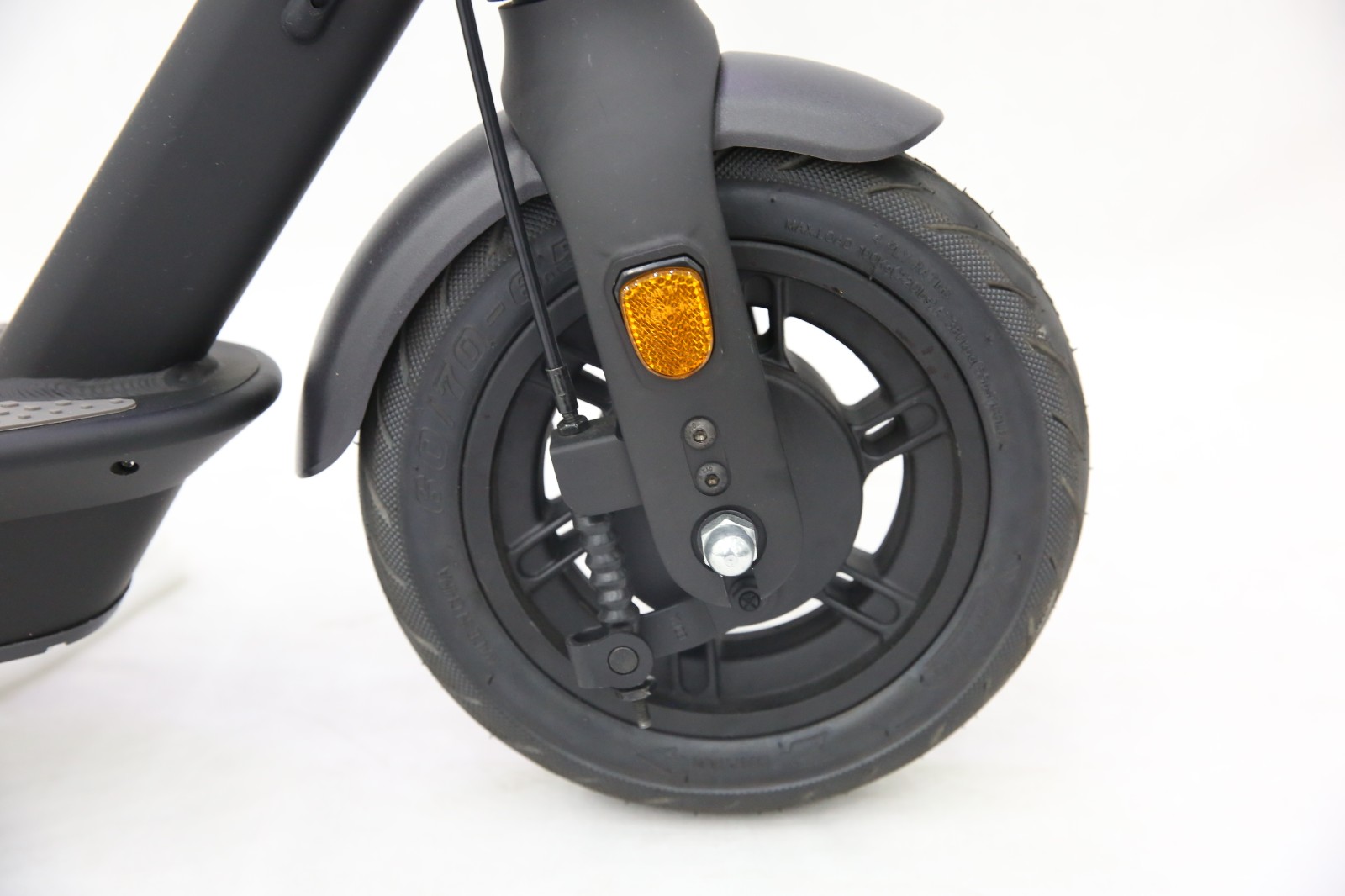
- Stem and Folding Mechanism: Checking for structural fatigue points and ensuring tolerances are tight enough to prevent stem wobble.
- Cable Routing: Inspecting internal routing to ensure wires are not pinched or chafing against sharp aluminum burrs during steering.
- Battery Spot Welding: Confirming consistent weld penetration on nickel strips to prevent high resistance and localized heating.
Implementing rigorous quality control protocols, particularly in-line inspections before the deck is sealed, is non-negotiable. Once the battery and controller are enclosed, verifying internal build quality becomes highly destructive and time-consuming.
Compliance and Regulatory Standards
Electric scooters are heavily regulated, primarily due to fire risks associated with high-capacity lithium-ion batteries. Importing non-compliant units can result in customs seizures or immediate platform bans.
- UL 2272: The critical standard for the US and Canadian markets. It evaluates the safety of the electrical drive train system and battery and charger system combinations.
- UN38.3: Mandatory for the transport of lithium batteries globally. Without this, you cannot ship the product via sea or air freight.
- EN 17128: The European standard for light motorized vehicles, covering structural integrity, braking distances, and electrical safety.
Fake Certification Risks
Many lower-tier suppliers will provide a CE or UL certificate that belongs to a different product, a specific component (like the charger, not the scooter), or is entirely forged. Always verify certificates directly with the issuing laboratory.
Using professional compliance testing services ensures your specific production run meets the regulatory demands of your target market.
Buying Mechanics: MOQs, Lead Times, and Pricing
The electric scooter supply chain is heavily concentrated in China, specifically in regions like Shenzhen, Dongguan, and Yongkang (Zhejiang province).
Pricing is overwhelmingly dictated by the battery pack (capacity in Ah, voltage, and cell brand). If a supplier quotes a price that seems too good to be true, they are almost certainly using low-grade, recycled, or lower-capacity cells than specified. Custom tooling for unique chassis designs (true ODM) will significantly increase both upfront costs and lead times, often requiring MOQs of 500 units or more to justify the molds.
Need to audit a factory's true production capability before placing a volume order? We run comprehensive on-site assessments.
Get a sourcing consultationSuccessfully importing electric scooters requires treating the product not as a simple consumer good, but as a high-liability vehicle. Securing the right supplier means looking past the showroom samples and diving deep into their engineering processes, supply chain transparency, and quality management systems. Thorough factory audits are the only reliable way to separate assemblers from true manufacturers. Ensure your specifications are airtight, your compliance is verified, and your quality control is actively managed on the factory floor.
Get Sourcing Help for Electric Scooters
Tell us your requirements and our experts will connect you with verified manufacturers.