Electric Pressure Cookers
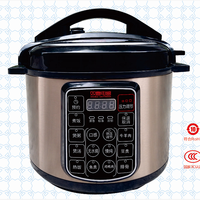
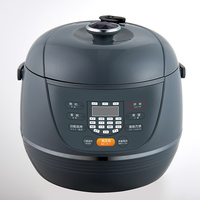
Source commercial-grade and consumer electric pressure cookers from vetted manufacturers and suppliers across Asia. Designed for importers, wholesalers, and appliance brands requiring reliable OEM and private-label production, our network delivers certified, high-volume manufacturing tailored to your exact market specifications.
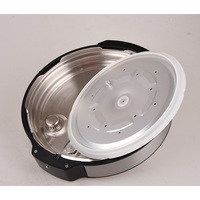
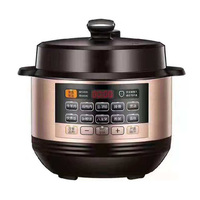
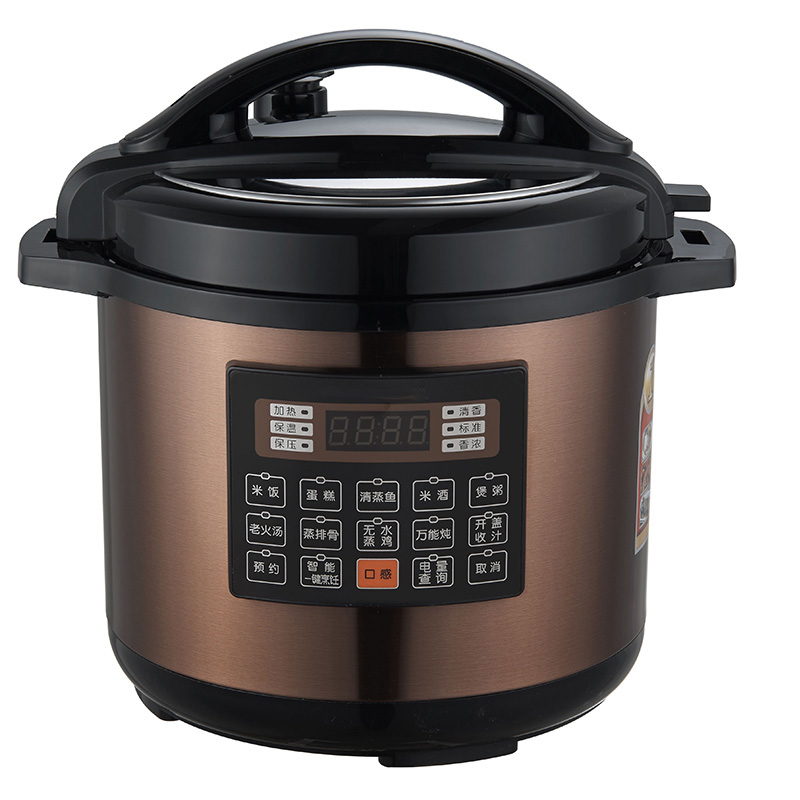
Electric pressure cookers are complex appliances that combine pressurized vessels, high-wattage heating elements, and microprocessor controls. Because they operate under pressure and heat simultaneously, sourcing these units at scale requires strict attention to component quality, safety redundancies, and regulatory compliance. A failure in any single mechanism—from a warped heating plate to a faulty pressure release valve—can result in costly recalls or safety hazards.
When buying in bulk or developing custom models, specifying the right internal components is just as critical as the exterior design.
Core Specifications and Component Quality
The reliability of an electric pressure cooker is dictated by the quality of its raw materials and the precision of its electronic control board. When negotiating with a factory, you must define specifications beyond basic capacity and wattage.
The Heating Plate
The heating plate is the engine of the cooker. Lower-tier manufacturers often reduce costs by using lighter aluminum plates. Over time, thin plates warp under the constant thermal cycling, leading to poor contact with the inner pot. This causes uneven cooking, triggers false readings in the temperature sensor (thermostat), and ultimately leads to premature failure. Specify a minimum weight and thickness for the heating plate based on the unit's capacity (e.g., a 6-liter unit typically requires a dense 1000W heating element).
The Printed Circuit Board (PCB) and MCU
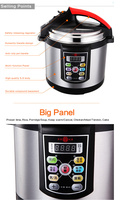
The Microcontroller Unit (MCU) dictates the cooking programs, temperature curves, and pressure regulation. For brands engaging in OEM/ODM production, customizing the MCU allows you to create proprietary cooking presets (e.g., specific algorithms for sous-vide or yogurt making) that differentiate your product. Ensure the PCB is housed securely away from primary heat zones and features conformal coating to protect against moisture and steam ingress.
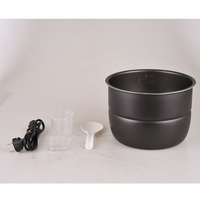
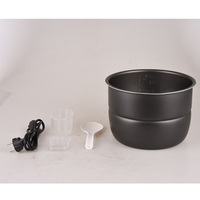
Inner Pot Materials
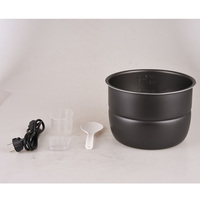
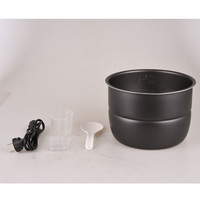
The inner pot directly impacts both perceived quality and manufacturing cost.
| Material Type | Durability | Heat Conductivity | Typical Application |
|---|---|---|---|
| Aluminum with Non-Stick Coating | Moderate (coating wears over time) | Excellent | Entry-level to mid-range retail |
| 304 Stainless Steel (Uncoated) | High (scratch resistant) | Moderate (requires tri-ply base) | Premium consumer and commercial |
| Ceramic Coated Aluminum | Moderate to High | Excellent | Health-conscious consumer segments |
Need to identify factories capable of producing custom tooling and reliable MCU programming? Let our sourcing experts match you with vetted manufacturers.
Talk to our teamSafety Mechanisms and Quality Control
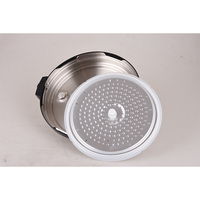
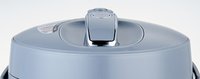
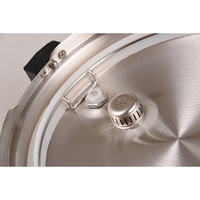
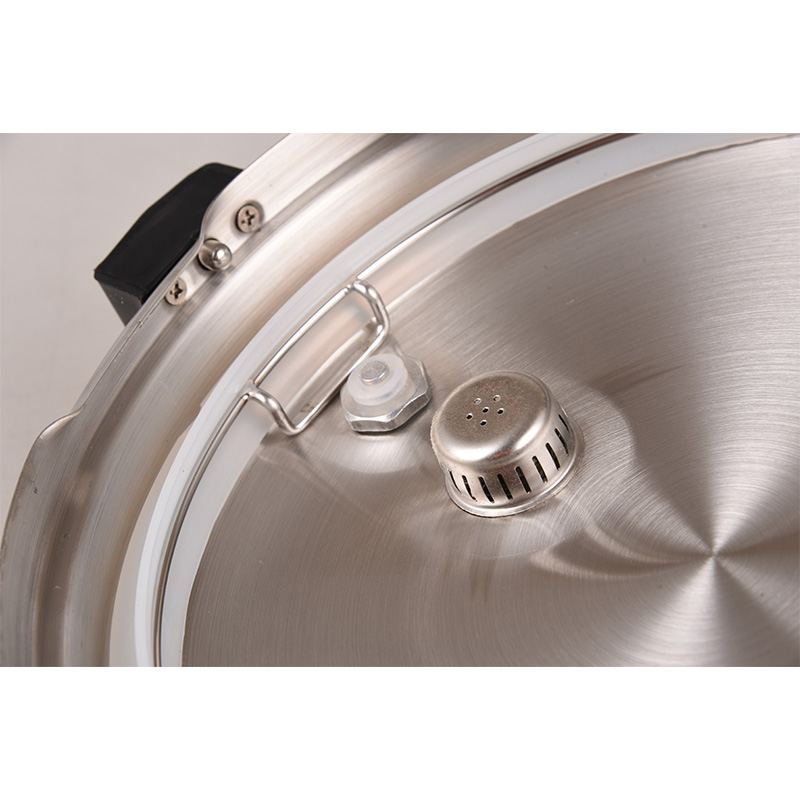
Electric pressure cookers typically feature between 9 and 11 distinct safety mechanisms. The most critical include the pressure control valve, the anti-block shield, the lid-lock safety (preventing pressurization if the lid is improperly seated), and the thermal fuse.
During production, strict quality control and inspection protocols must be enforced on the assembly line.
Critical Factory-Level QC Checks
- Pressure Retention Test: Verifying the silicone gasket and valves hold standard working pressure (typically 40 to 70 kPa) without leaking.
- Over-Pressure Relief Test: Ensuring the safety valve engages automatically if pressure exceeds the maximum threshold (usually around 90 to 105 kPa).
- Dielectric Voltage-Withstand (Hi-Pot) Testing: Checking electrical insulation to prevent shock hazards.
- Thermostat Calibration: Verifying the bottom sensor accurately reads the inner pot temperature to prevent dry-boiling.
- Lid Cycle Testing: Mechanical stress testing of the locking pins and hinges.
Compliance and Certifications
Because they combine water, electricity, and pressure, these appliances face stringent regulatory hurdles. For the US market, UL or ETL certification is mandatory for the electrical components, alongside FDA compliance for all food-contact materials (the inner pot and the silicone sealing ring). European markets require CE, CB, RoHS, and LFGB certifications. Managing compliance and testing early in the sourcing process prevents shipments from being held at customs.
Purchasing Mechanics: MOQs, Lead Times, and Pricing
Pricing for electric pressure cookers is highly sensitive to the cost of raw materials (aluminum, stainless steel, and copper for wiring) and the complexity of the user interface (basic membrane buttons vs. full LCD touchscreens).
Factories generally quote based on FOB terms from major appliance manufacturing hubs, predominantly located in Guangdong province (Zhongshan, Shunde, and Foshan) or Zhejiang province.
Ready to negotiate pricing, terms, and production schedules for your next appliance order? Merhein can manage the entire supply chain on your behalf.
Get a free consultationFrequently Asked Questions
Sourcing electric pressure cookers requires balancing consumer demand for advanced features with the absolute necessity of mechanical safety. By specifying exact component grades, mandating comprehensive in-line testing, and partnering with factories that hold verifiable international certifications, buyers can build a reliable and profitable appliance line.
Get Sourcing Help for Electric Pressure Cookers
Tell us your requirements and our experts will connect you with verified manufacturers.