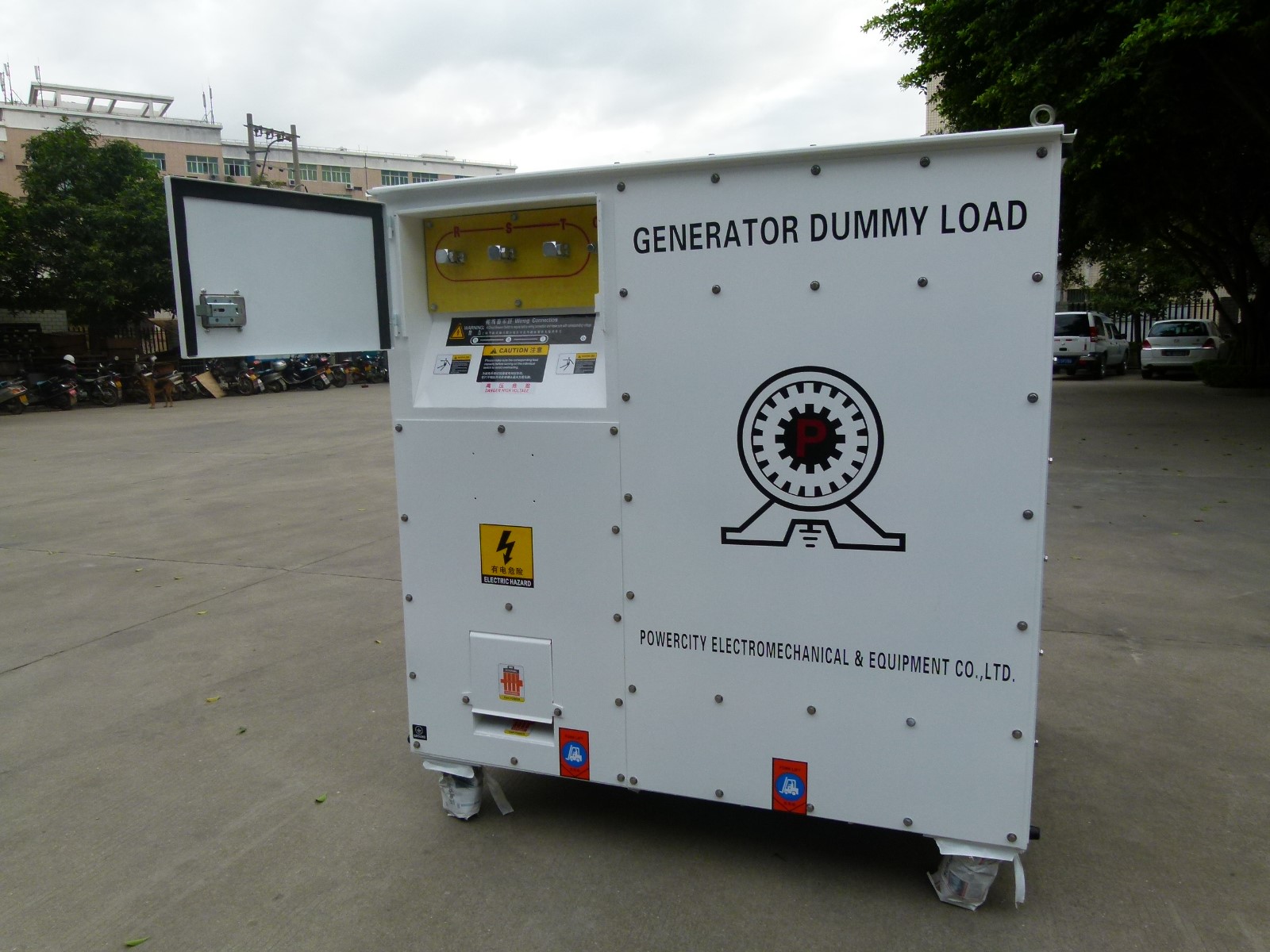
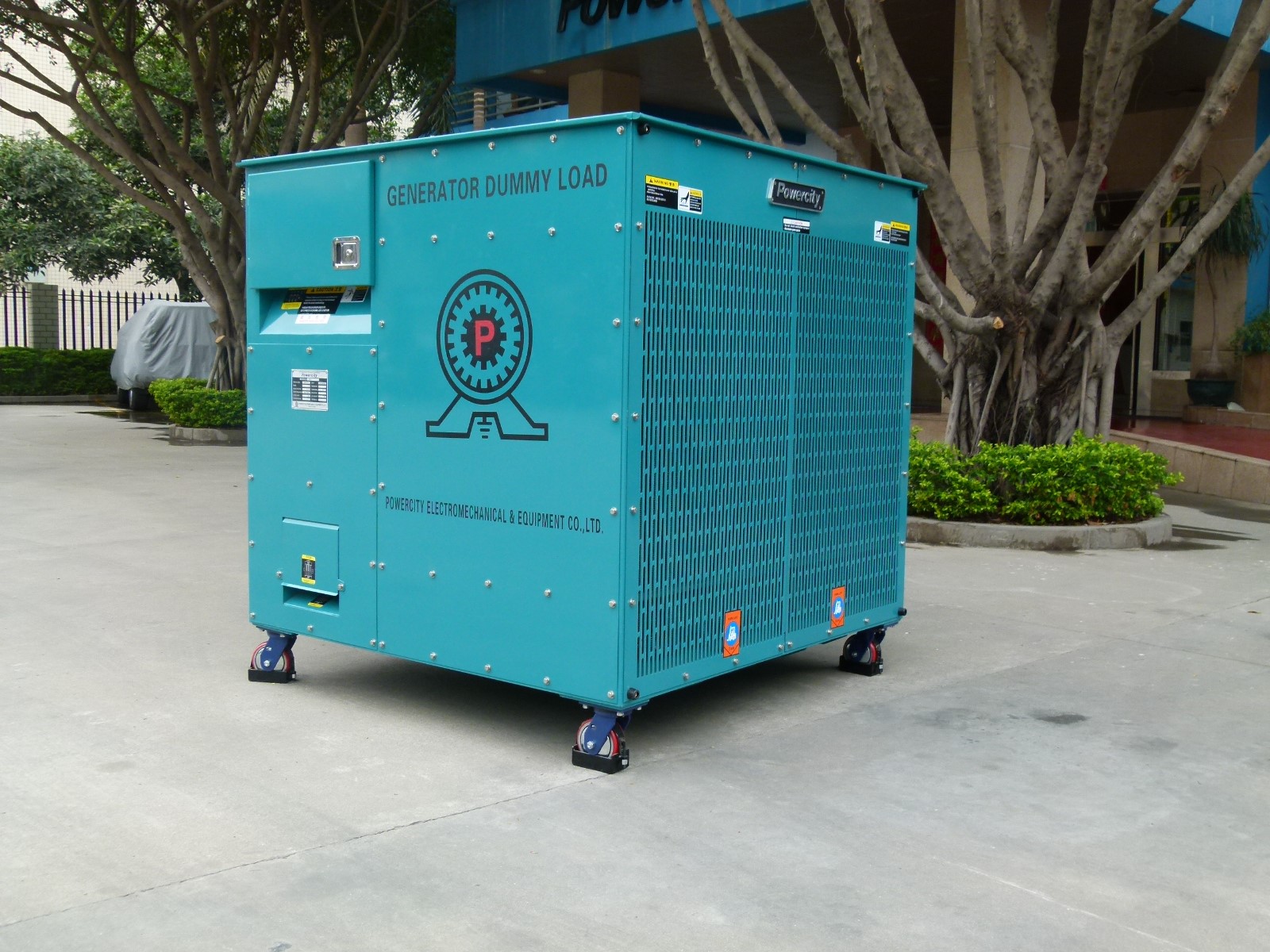
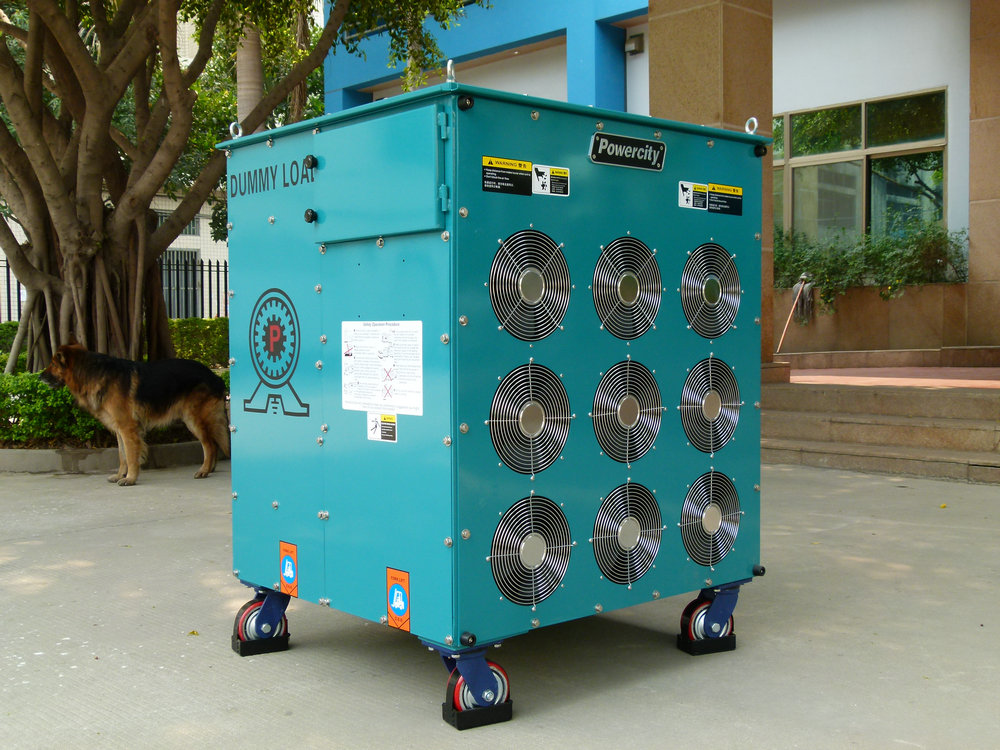
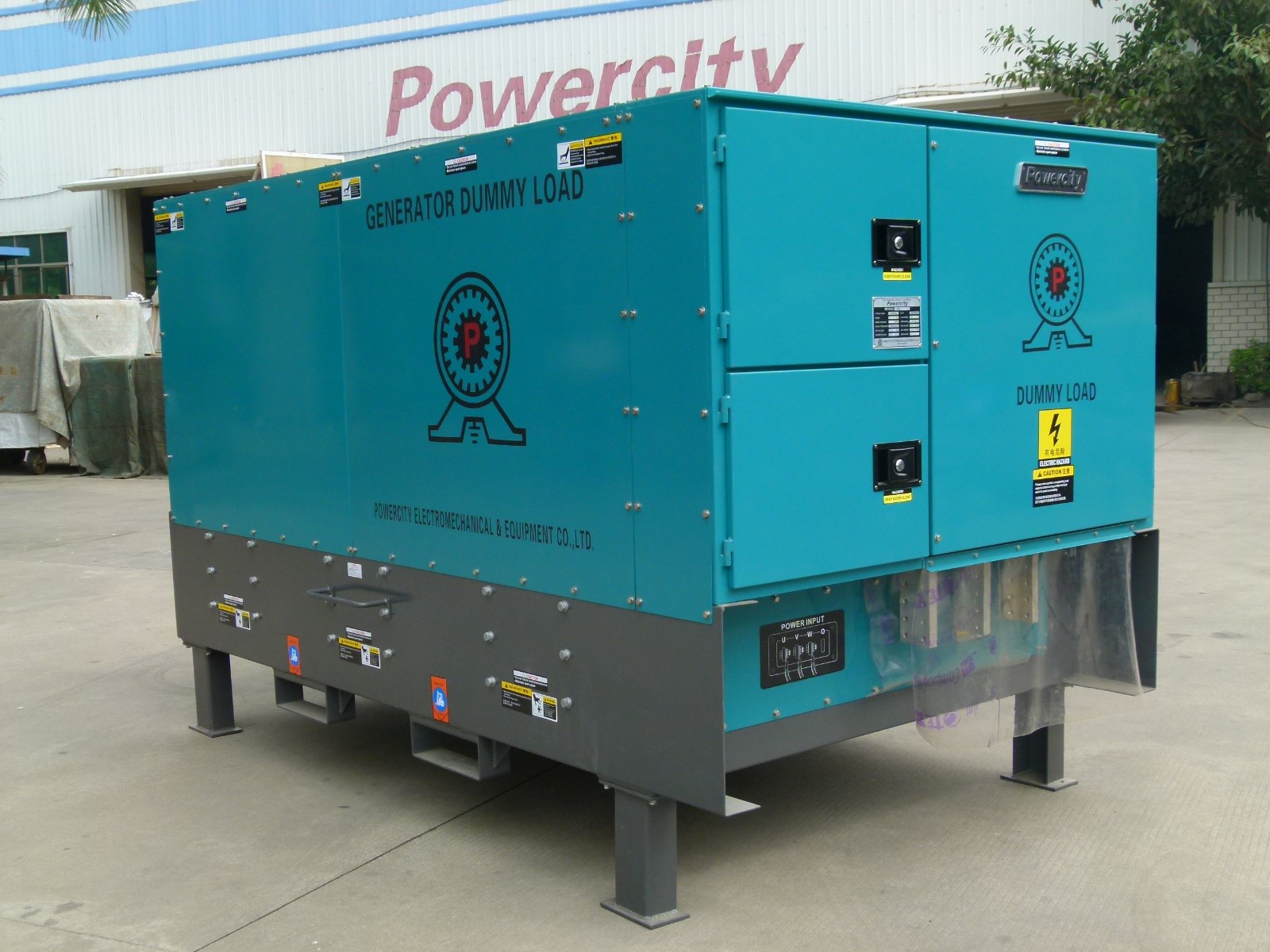
Electric Power Projects
Source complete Electric Power Projects and integrated power generation systems from vetted manufacturers. Designed for EPC contractors, utility developers, and procurement managers, our network provides turnkey skids, hybrid microgrids, and modular balance-of-plant equipment built to international grid standards.
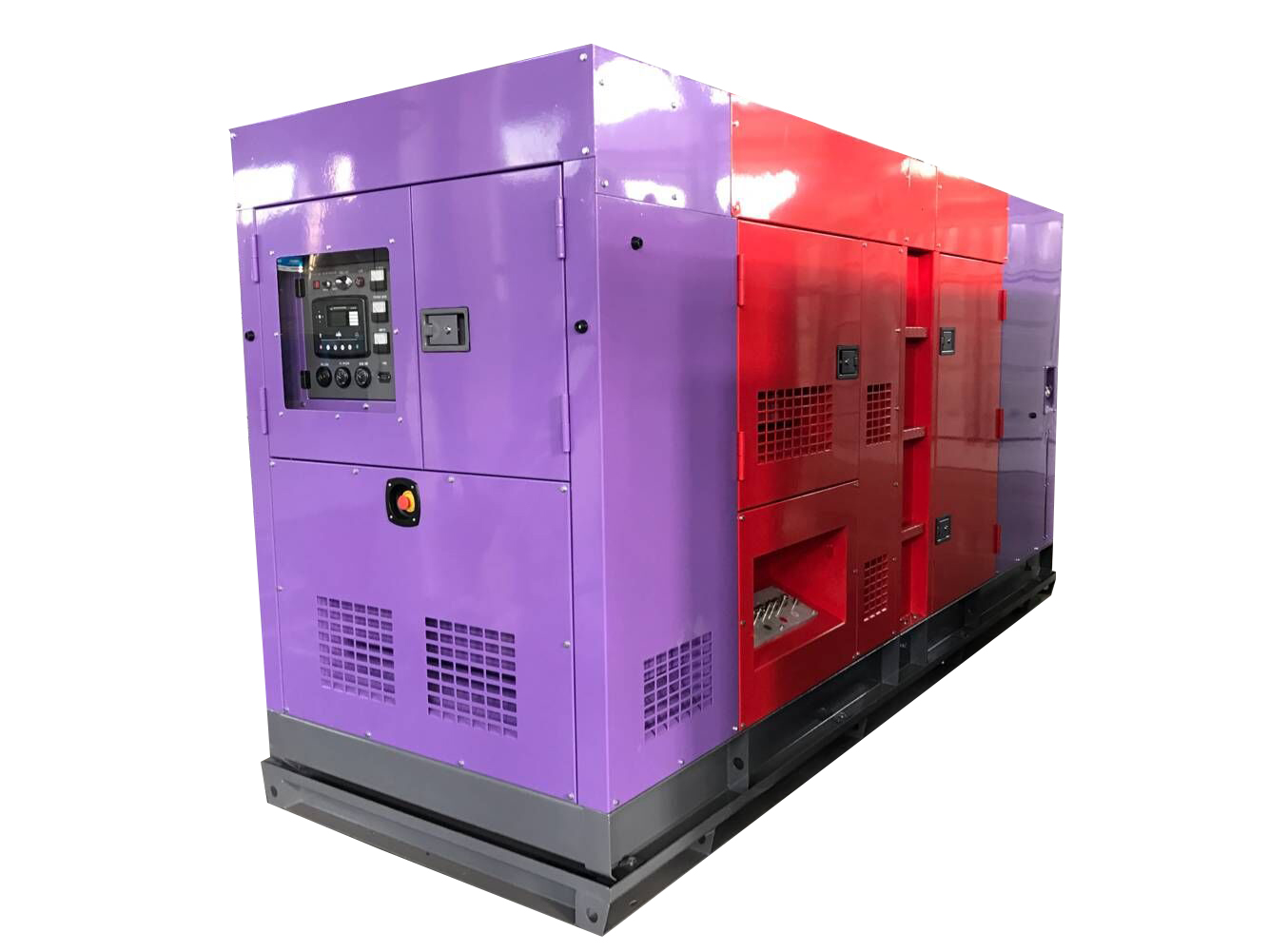
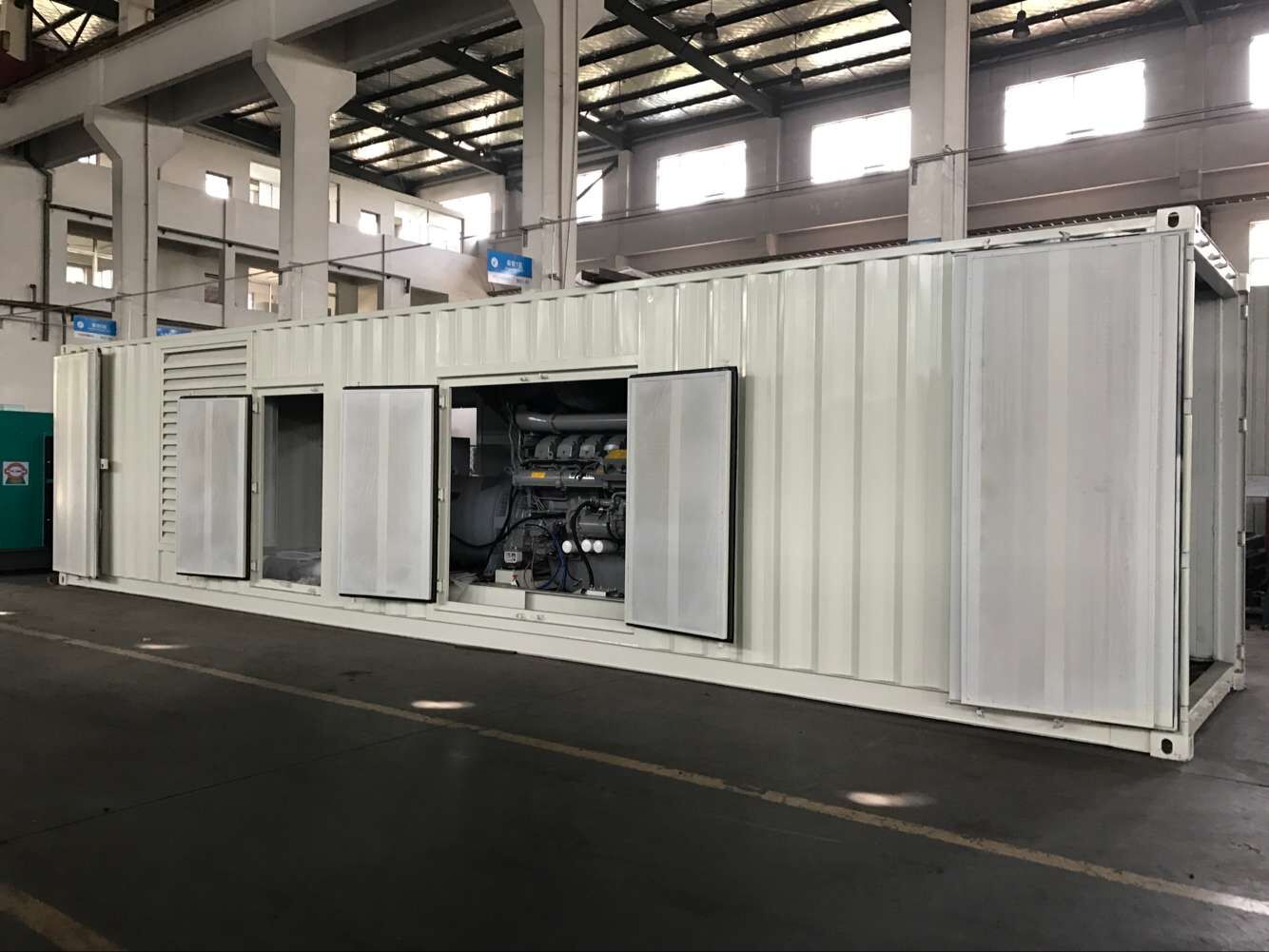
Sourcing electric power projects from Asian manufacturers involves moving beyond standard component procurement into complex systems integration. Whether you are procuring containerized generation units, hybrid microgrid systems, or modular balance-of-plant (BOP) equipment, success depends entirely on aligning the manufacturer's engineering capabilities with your specific local grid codes, environmental realities, and regulatory frameworks.
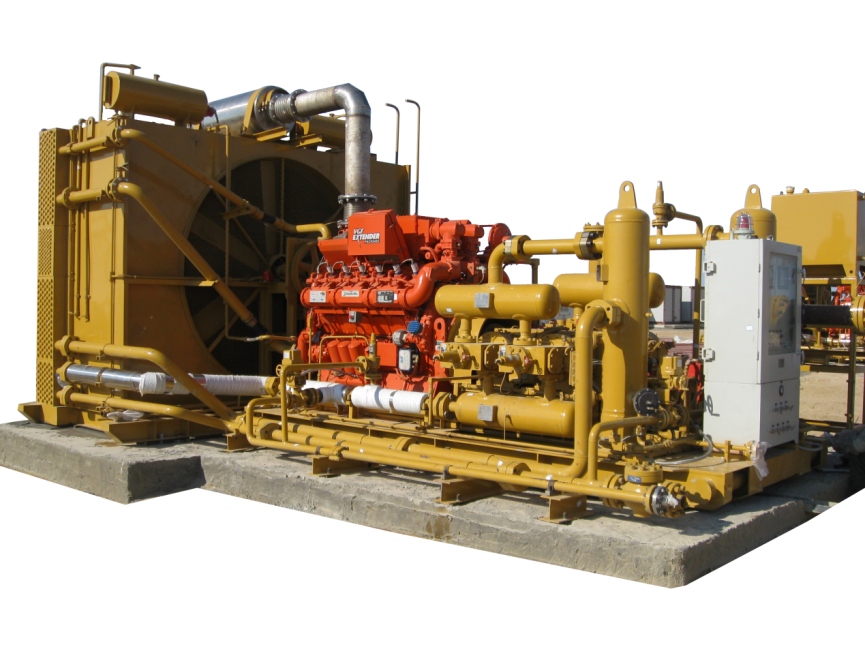
Procuring at the project level means you are evaluating a supplier's ability to integrate prime movers, alternators, switchgear, and control systems into a cohesive, reliable package.
Defining Your Project Specifications for RFQ
A generic RFQ will result in generic, often incompatible proposals. Because power projects are highly customized, your initial technical package must lock down the critical parameters before a factory can provide accurate pricing or engineering timelines.
Critical RFQ Parameters for Power Projects
- Electrical Output: Continuous vs. standby ratings, specific voltage levels (LV/MV), and precise frequency requirements (strictly 50Hz or 60Hz).
- Grid Synchronization: Requirements for parallel operation, automatic transfer switches (ATS), and SCADA system compatibility.
- Environmental Tolerances: Altitude derating factors, ambient temperature ranges, and enclosure ingress protection (e.g., IP54, IP65).
- Compliance & Standards: Specific adherence to IEC, IEEE, or localized standards (such as UL for the North American market).
- Fuel & Prime Mover Specs: Emissions tier requirements, acceptable fuel quality tolerances, and preferred component brands (if any).
Integrating complex power systems requires rigorous supplier vetting. Connect with us to ensure your manufacturing partners have the proven engineering infrastructure to deliver.
Talk to our teamThe Reality of Factory Integration
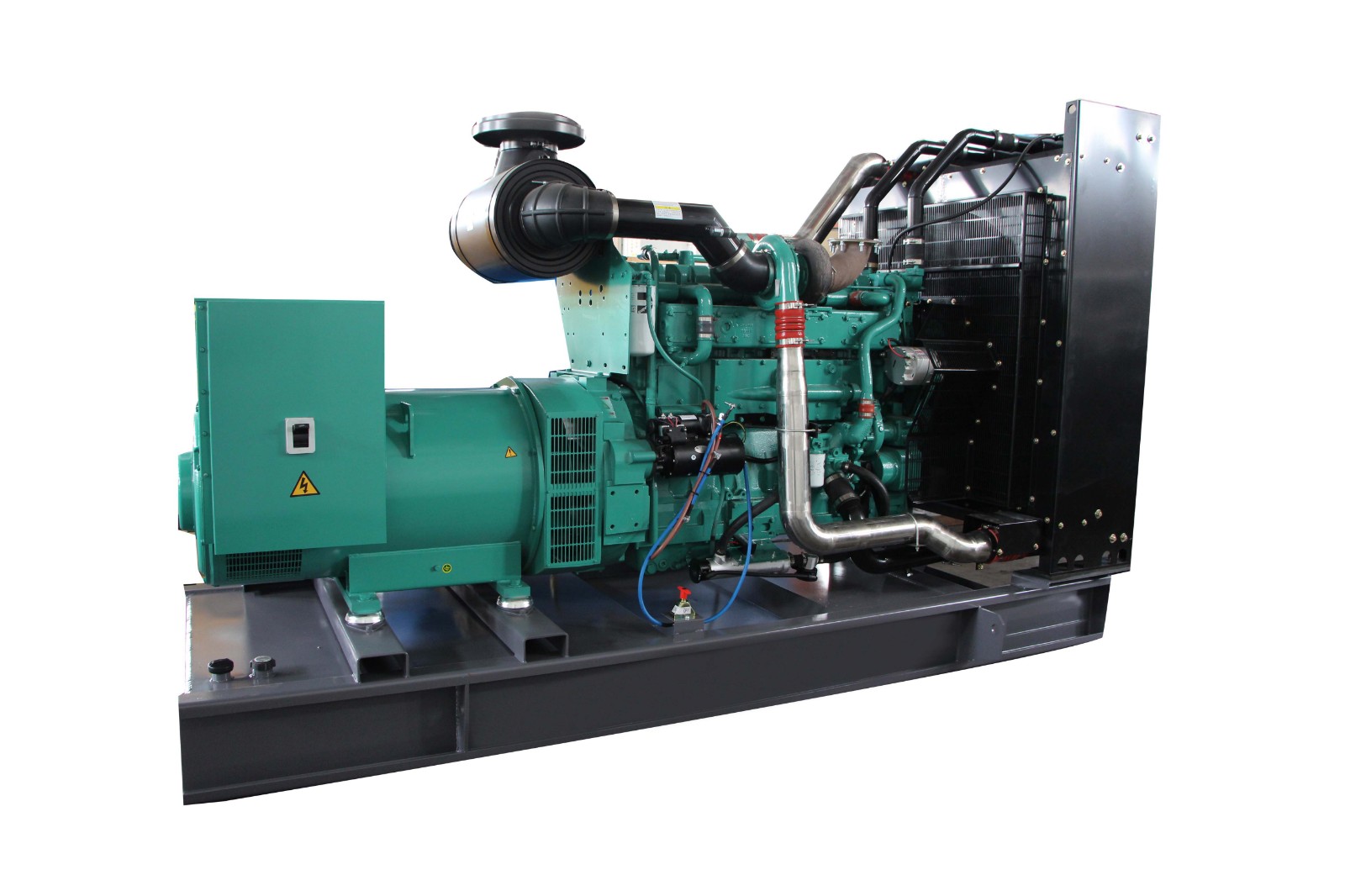
When sourcing power projects, it is vital to understand that most "manufacturers" in this category function primarily as system integrators. They procure engines, turbines, alternators, and inverters from specialized sub-suppliers, focusing their own operations on structural fabrication, electrical wiring, PLC programming, and final assembly.
Because the final project's reliability hinges on the quality of third-party components, conducting thorough factory audits is non-negotiable. You must assess not only the integrator's assembly line but their vendor management processes. Do they have authorized OEM partnerships with major component brands? How do they handle inbound quality control for critical switchgear?
Managing Factory Acceptance Testing (FAT)
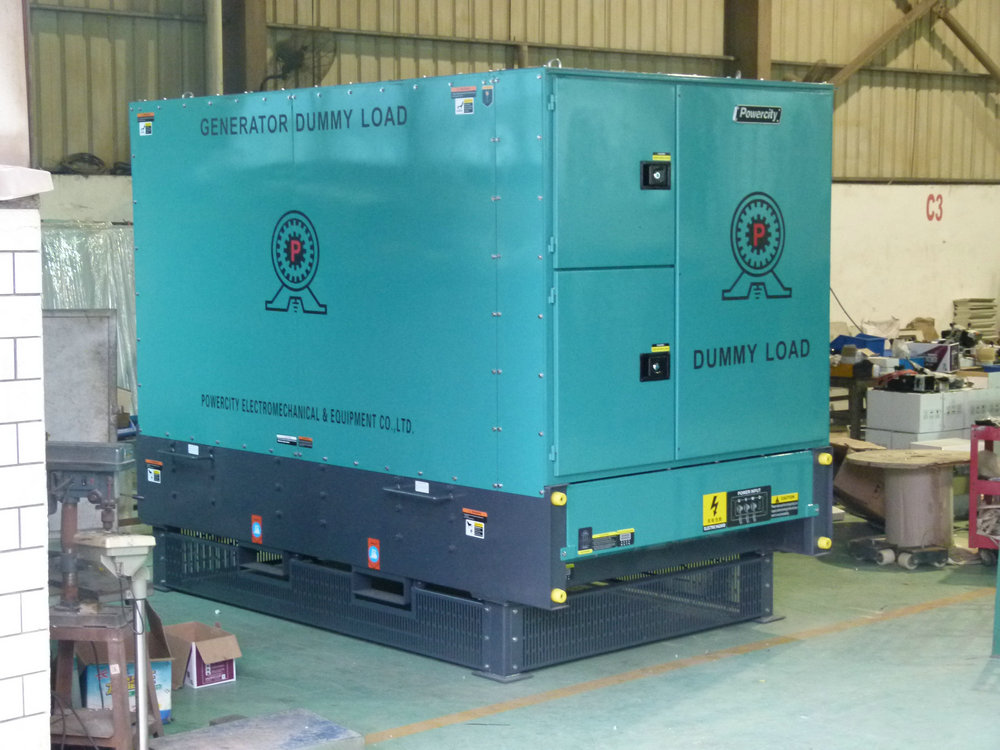
The most critical phase of any power project sourcing cycle happens before the equipment ever leaves the factory floor. Factory Acceptance Testing (FAT) validates that the integrated system performs under load and meets all design parameters.
Protocol Alignment
Agree on the FAT procedure during the contract phase, detailing the exact load steps (e.g., 25%, 50%, 75%, 100%, 110% overload) and duration of testing.
Component Verification
Physical inspection of all major components against the approved bill of materials to ensure no unauthorized substitutions occurred.
Performance & Load Testing
Running the system to verify voltage regulation, frequency stability, and thermal performance under simulated operational conditions.
Control & Safety Validation
Testing all emergency stops, alarms, synchronization panels, and remote monitoring capabilities.
Relying solely on the factory's internal testing reports introduces significant risk. Deploying independent engineering teams for quality control & inspection during the FAT ensures the data is accurate and the system is truly ready for deployment.
Logistics, Lead Times, and Pricing Dynamics
Power projects do not ship in standard cartons. They require extensive logistical planning, often involving flat racks, open-top containers, or breakbulk shipping for oversized skids.
Pricing is highly volatile and directly tied to the cost of raw materials (copper, steel) and the origin of the core components. Specifying Tier 1 Western brands for engines or alternators integrated in China will increase costs but often provides a better balance of reliability and global warranty support compared to fully localized components.
Furthermore, managing the movement of heavy, oversized equipment requires specialized freight forwarding. Coordinating these shipments early in the manufacturing process via robust shipping & freight planning prevents costly delays at the port of loading.
Managing oversized freight and multi-vendor project timelines is complex. Let us help you streamline your procurement and logistics operations.
Get a free consultationFrequently Asked Questions
Successfully sourcing electric power projects requires treating the procurement process as an engineering exercise rather than a simple purchasing transaction. By enforcing strict technical specifications, mandating independent FAT oversight, and planning for complex logistics from day one, you can leverage overseas manufacturing to deploy robust power infrastructure efficiently.
Get Sourcing Help for Electric Power Projects
Tell us your requirements and our experts will connect you with verified manufacturers.