Electric Pour-Over Coffee Makers
Source premium Electric Pour-Over Coffee Makers from vetted manufacturers and suppliers. This catalog is designed for importers, distributors, and appliance brands seeking reliable wholesale or custom OEM/ODM production. Partner with factory-direct partners capable of scaling your high-quality coffee equipment lines.
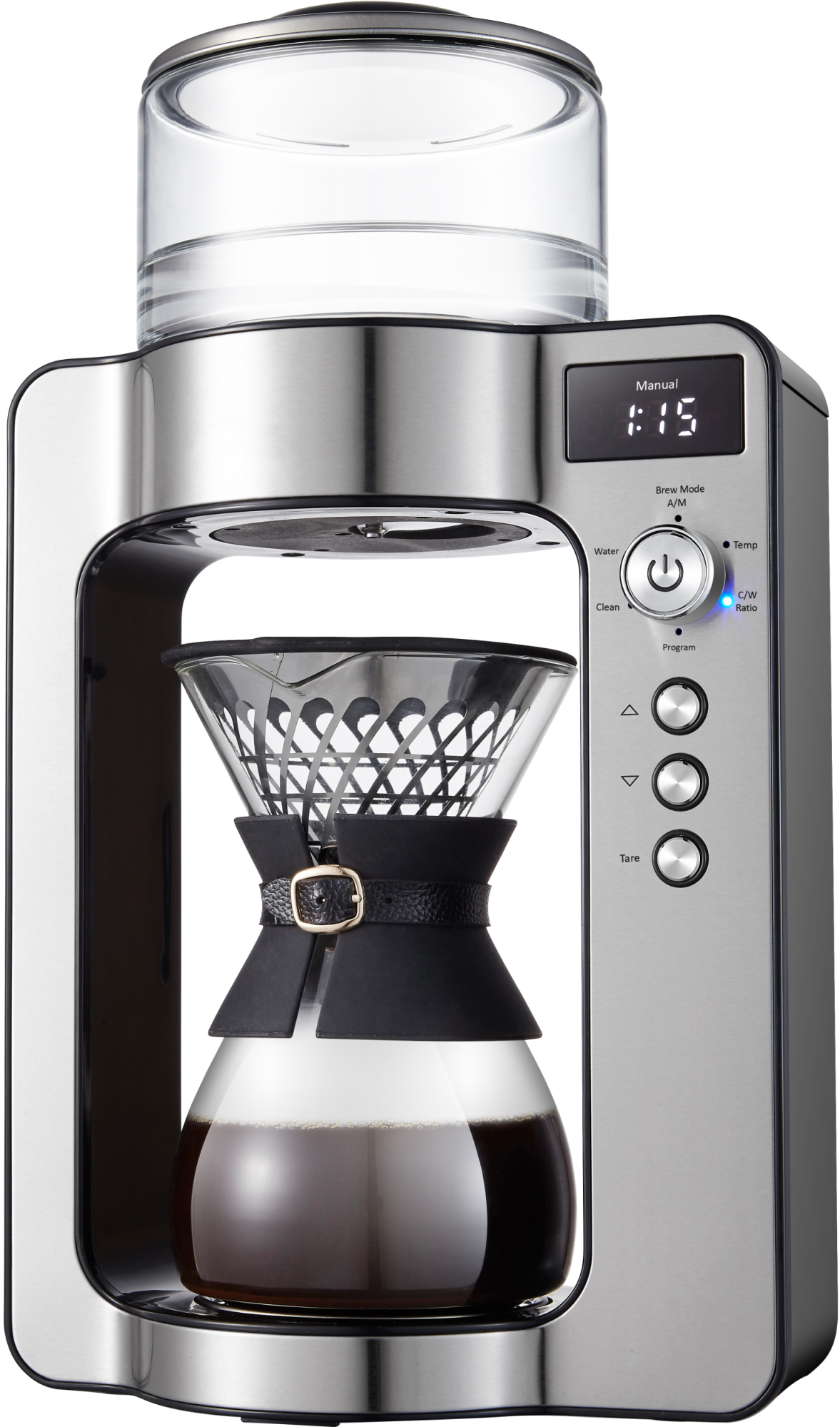
Sourcing electric pour-over coffee makers requires balancing precise thermal dynamics with consumer-friendly automation. Unlike standard drip brewers, pour-over simulators rely on exacting water delivery mechanisms—specifically, showerhead dispersion patterns, flow rate control, and PID-driven temperature stability. For buyers sourcing at scale, the primary challenge lies in finding a manufacturing partner capable of maintaining these tight tolerances across thousands of units without unnecessarily inflating the bill of materials (BOM).
Critical Specifications & Component Selection
To achieve the Specialty Coffee Association (SCA) Golden Cup standard, an electric pour-over machine must hit specific extraction metrics. When evaluating a factory's off-the-shelf models or developing a custom unit, your technical specifications must address three core systems:
- Heating Architecture: Standard aluminum thermoblocks often suffer from temperature drop-off during the brew cycle. High-end models utilize PID controllers paired with NTC thermistors and copper or stainless-steel lined thermocoils to maintain water temperature within a 1-degree Celsius variance.
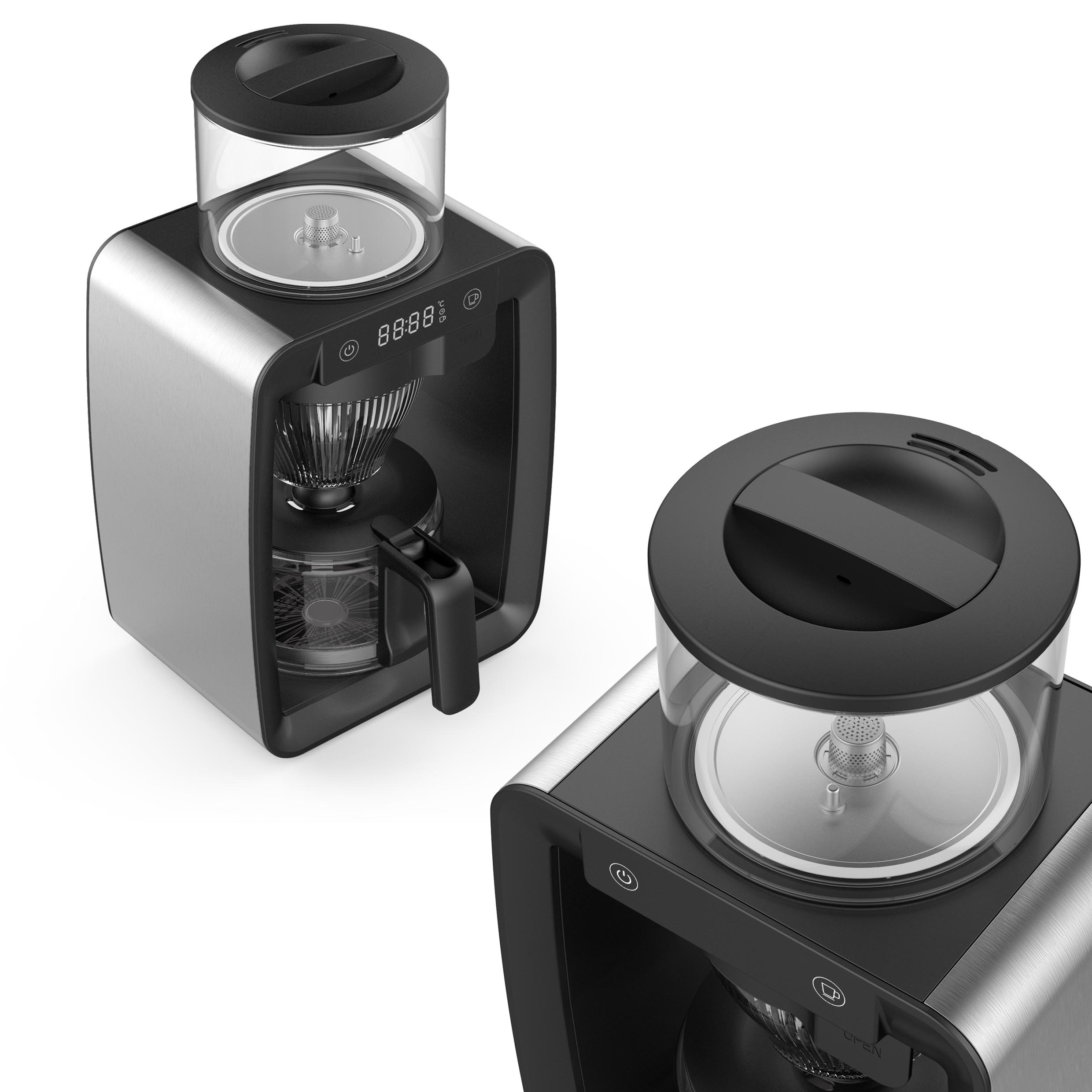
- Dispersion Mechanics: The showerhead (or water distribution matrix) dictates agitation and bed saturation. Factories should offer customizable flow rates or pulsed delivery programs to mimic a manual gooseneck kettle pour.
- Material Integrity: All internal water pathways must be constructed from food-safe, temperature-resistant materials. Avoid standard silicone tubing in favor of platinum-cured silicone or Teflon (PTFE) to prevent taste contamination.
| Component | Standard Market Spec | Premium / Specialty Spec |
|---|---|---|
| Heating Element | Aluminum thermoblock, bimetallic thermostat | Stainless-lined thermocoil with PID control |
| Water Delivery | Fixed static showerhead, continuous flow | Rotary or pulsed dispersion, variable flow rate |
| Housing Material | Injection-molded ABS or PP plastic | Die-cast aluminum or brushed 304 stainless steel |
| User Interface | Single physical on/off switch | Digital LCD, adjustable temp/bloom settings |
Struggling to find a supplier who understands PID calibration and SCA standards? We can connect you with specialized coffee equipment factories capable of precision manufacturing.
Talk to our teamManufacturing Quality & Food-Safe Compliance
The small kitchen appliance sector in regions like Guangdong (specifically Shunde and Zhongshan) is highly saturated. While many factories can assemble a coffee maker, very few have the engineering depth to produce a reliable electric pour-over machine.
Compliance is non-negotiable. Depending on your target market, the unit must pass electrical safety standards (UL/ETL for North America, CE/CB for Europe) and strict food contact material regulations. Engaging specialized Compliance & Testing early in the sourcing process prevents costly customs rejections due to non-compliant plastics or heavy metal leaching.
Critical Factory QC Checkpoints
- Thermostat and PID calibration testing at the end of the assembly line.
- Flow-rate consistency checks (measuring ml/second output variance).
- Pressure testing on internal tubing connections to prevent leaks over time.
- Verification of LFGB or FDA certifications for all water-contact components.
- Hi-Pot (high potential) electrical safety testing prior to packaging.
To ensure these standards are met on the factory floor, rigorous Quality Control & Inspection protocols should be implemented, including both in-line inspections during assembly and pre-shipment checks.
Sourcing Realities: MOQs, Lead Times, and Pricing
Pricing for electric pour-over coffee makers is highly dependent on the control board complexity and housing materials. A basic plastic model with a pulsed showerhead might cost significantly less than a die-cast machine with integrated scales and Bluetooth connectivity.
If you are modifying an existing white-label product, factories will typically require standard minimum order quantities. However, if you are developing a completely custom aesthetic or proprietary brewing algorithm, you will need comprehensive OEM/ODM Services, which involves upfront tooling costs for plastic injection molds and custom PCB development.
Need to negotiate favorable MOQs or manage custom tooling for your next production run? Let our sourcing experts handle the factory dialogue and contract structuring.
Get a free consultationFrequently Asked Questions
Securing Your Supply Chain
Success in the specialty coffee appliance market relies entirely on consistency. A machine that brews perfectly in the sample lab but fails to maintain temperature in mass production will damage your brand. Before committing to a large order or investing in custom tooling, conducting thorough Factory Audits is essential to verify the supplier's engineering capabilities, QA infrastructure, and financial stability. By partnering with a factory that understands the science of coffee extraction, you can bring a highly competitive product to market.
Get Sourcing Help for Electric Pour-Over Coffee Makers
Tell us your requirements and our experts will connect you with verified manufacturers.