Electric Percolators
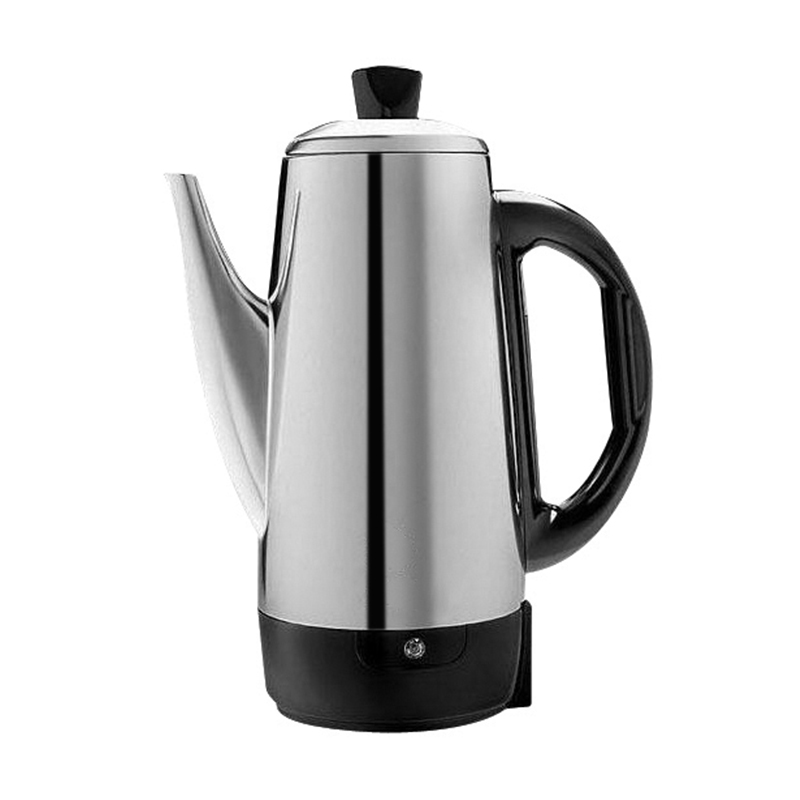
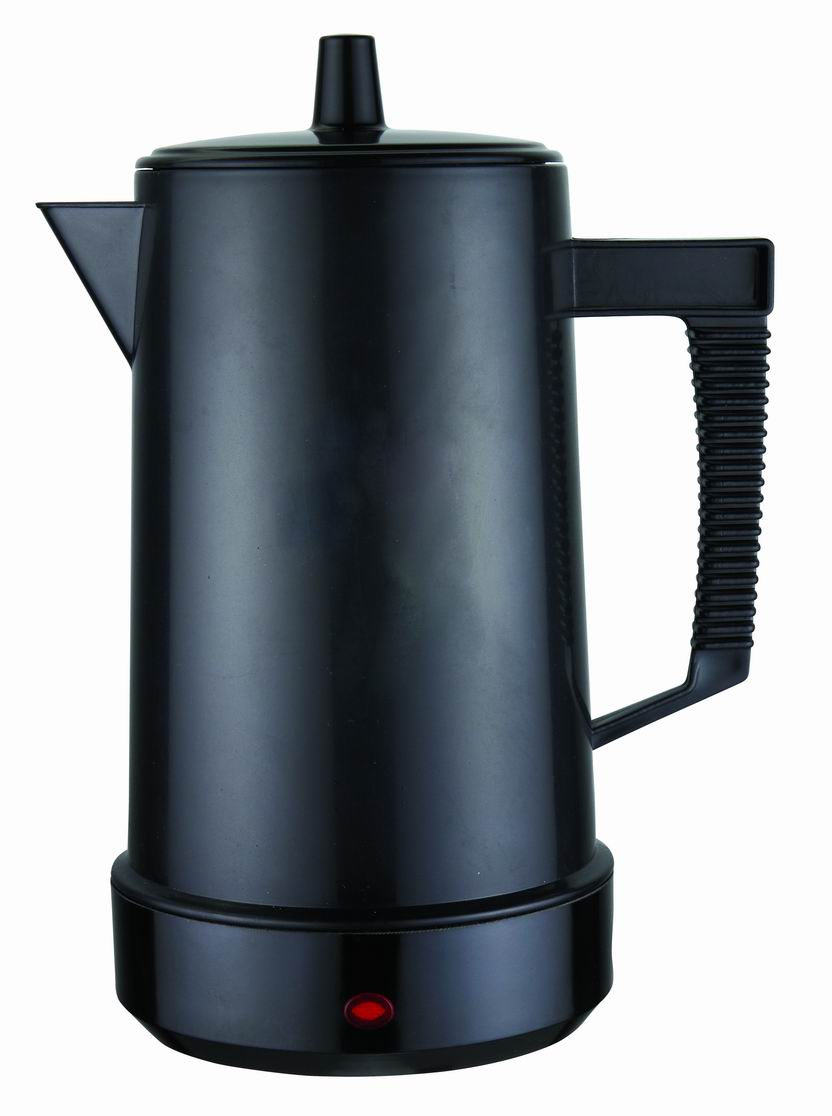
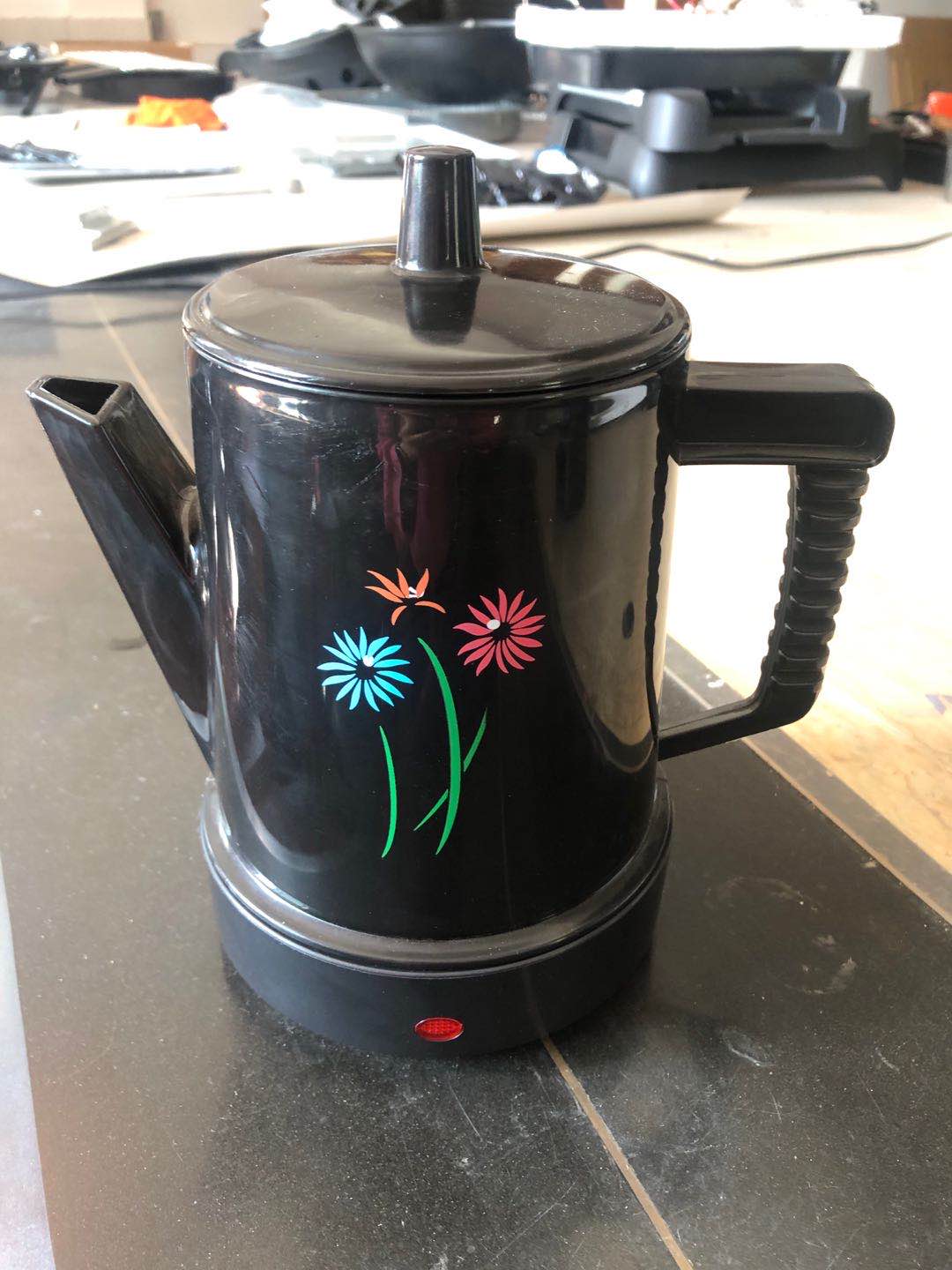
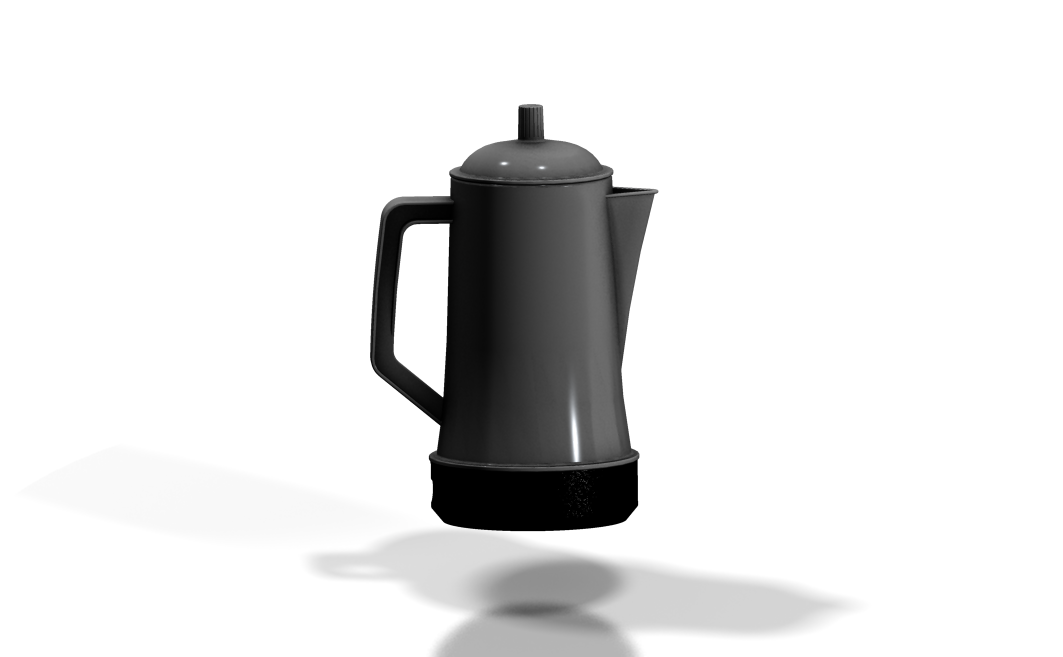
Source premium electric percolators directly from vetted manufacturers and wholesale suppliers. Designed for importers, distributors, and appliance brands seeking reliable OEM and private-label production, our bulk sourcing solutions ensure high-quality materials, strict electrical safety compliance, and competitive factory-direct pricing.
Procuring electric percolators at volume requires balancing traditional brewing mechanics with stringent modern electrical safety standards. Because these appliances combine boiling water, pressurized steam, and high-wattage heating elements, the margin for manufacturing error is exceptionally tight. Buyers must specify the right material grades and thermal control components to avoid high return rates caused by base leaks, thermostat failures, or premature corrosion.
Core Specifications and Material Selection
The durability and market positioning of an electric percolator depend heavily on the materials used for the body, pump tube, and basket. While external aesthetics drive consumer interest, the internal metallurgy dictates the appliance's lifespan.
| Material / Component | Characteristics | Cost Impact | Market Application |
|---|---|---|---|
| SS304 (Body & Basket) | High corrosion resistance, food-safe, holds polish well. | Premium | Mid-to-high-end brands and commercial units. |
| SS201 (Body) | Lower nickel content, vulnerable to rust if poorly maintained. | Budget | Entry-level consumer markets. |
| Aluminum (Internal Parts) | Excellent heat transfer but prone to pitting and discoloration. | Lowest | Budget or legacy promotional lines. |
| Glass vs. Plastic Knobs | Glass resists clouding and heat; plastic is cheaper but degrades. | Variable | Glass for premium; Tritan/plastic for standard. |
Beyond materials, the heating element architecture is critical. Most modern units utilize a concealed heating element (typically 500W to 1000W) integrated into the base. This requires a highly accurate thermostat, usually a bimetallic strip or NTC thermistor, to transition the unit from the boiling phase to the keep-warm phase without triggering the boil-dry protection prematurely.
Struggling to align your target price with the right material grades? Let our engineering team review your specifications and match you with capable manufacturers.
Discuss your product specsManufacturing Tolerances and Quality Control
Electric percolators are primarily manufactured in China's appliance hubs, specifically in Guangdong (Zhongshan, Shunde) and Zhejiang (Ningbo). While the supply base is vast, factory capabilities vary wildly.
The most common point of failure in percolator manufacturing is the structural integrity of the base weld. The bottom plate must be seamlessly welded to the main body to house the electrical components securely. Poor welding leads to micro-leaks, which inevitably cause electrical shorts. Implementing rigorous Quality Control & Inspection during the assembly phase is non-negotiable.
Critical Pre-Shipment Inspection Points
- Hi-Pot (High Potential) testing to ensure electrical insulation integrity.
- Boil-dry protection verification (simulating an empty pot heating scenario).
- Water-pressure testing on the base weld to detect micro-leaks.
- Pump tube alignment checks to ensure consistent water flow over the grounds basket.
- Visual inspection of the stainless steel polishing for burn marks or uneven buffing.
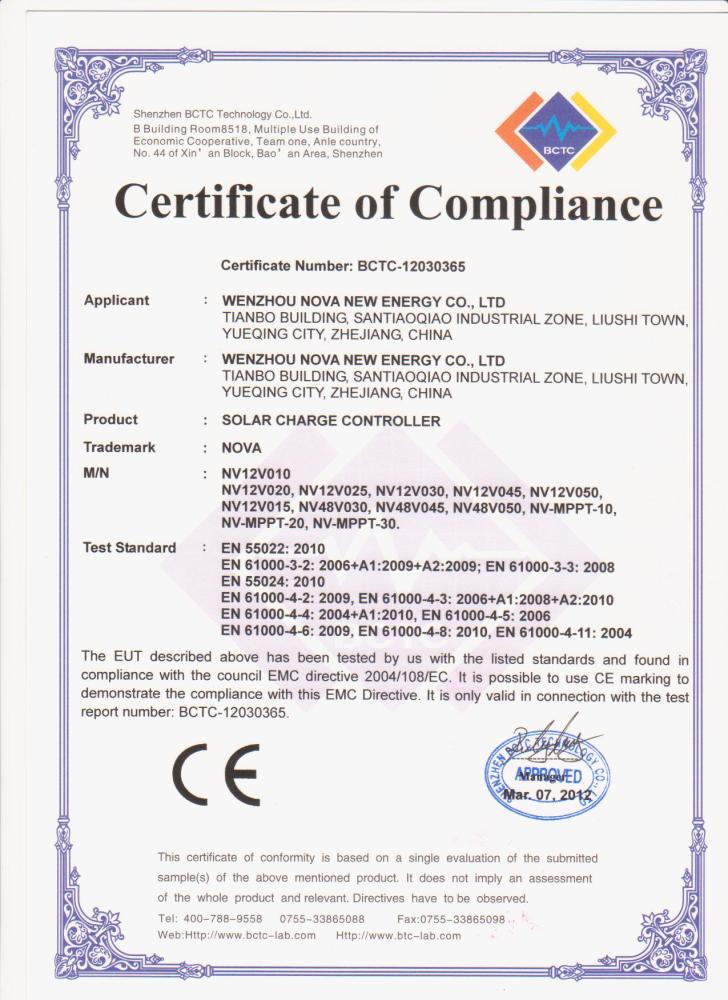
Furthermore, because these are heat-generating appliances dealing with human consumption, Compliance & Testing is mandatory. Units destined for North America typically require UL or ETL certification, while European markets demand CE, RoHS, and LFGB (for food contact materials).
Typical MOQs, Pricing, and Lead Times
Sourcing electric percolators at scale generally follows standardized industry parameters, though these can shift based on the level of customization required.
If you are developing a completely custom design rather than white-labeling an existing factory mold, expect higher MOQs (often starting at 3,000 units) and an additional 30 to 45 days for tooling. Engaging specialized OEM/ODM Services can help streamline the tooling and prototyping phases, ensuring the factory accurately translates your industrial design into a manufacturable product.
Ready to scale your appliance line? We handle factory negotiations, compliance validation, and quality control from prototype to final shipment.
Get a sourcing quoteBuyer FAQ
Sourcing electric percolators requires a sharp eye on electrical safety, material integrity, and factory compliance. By clearly defining your specifications and enforcing strict in-line testing protocols, you can mitigate the risk of costly returns and protect your brand's reputation in the competitive kitchen appliance market.
Get Sourcing Help for Electric Percolators
Tell us your requirements and our experts will connect you with verified manufacturers.