Electric Mosquito Killers
Source wholesale electric mosquito killers directly from vetted manufacturers. Designed for importers, distributors, and brands seeking reliable OEM and private-label production, this catalog connects you with high-efficacy pest control appliances built to international safety standards.
Sourcing electric mosquito killers at volume requires navigating a market heavily saturated with low-grade components. While the basic mechanism is simple, the core procurement challenge is balancing high-voltage lethality and UV attraction efficacy with strict consumer electrical safety standards. A profitable import program relies on specifying the right internal components to ensure the unit survives continuous operation without posing a fire hazard.
Core Specifications for High-Efficacy Units
The effectiveness of a mosquito killer hinges on two primary systems: the attractant and the kill mechanism. When specifying requirements with a manufacturer, prioritize these technical parameters.
1. Attractant Wavelength and Light Source
Mosquitoes are most effectively lured by UV-A light in the 365nm to 395nm spectrum. Standard fluorescent tubes are common in budget units but suffer from rapid lumen depreciation, often losing their attractive efficacy within 2,000 hours. Premium and modern OEM units increasingly utilize UV LEDs, which maintain peak wavelength emission for up to 10,000 hours and consume significantly less power.
2. High-Voltage Grid and Transformers
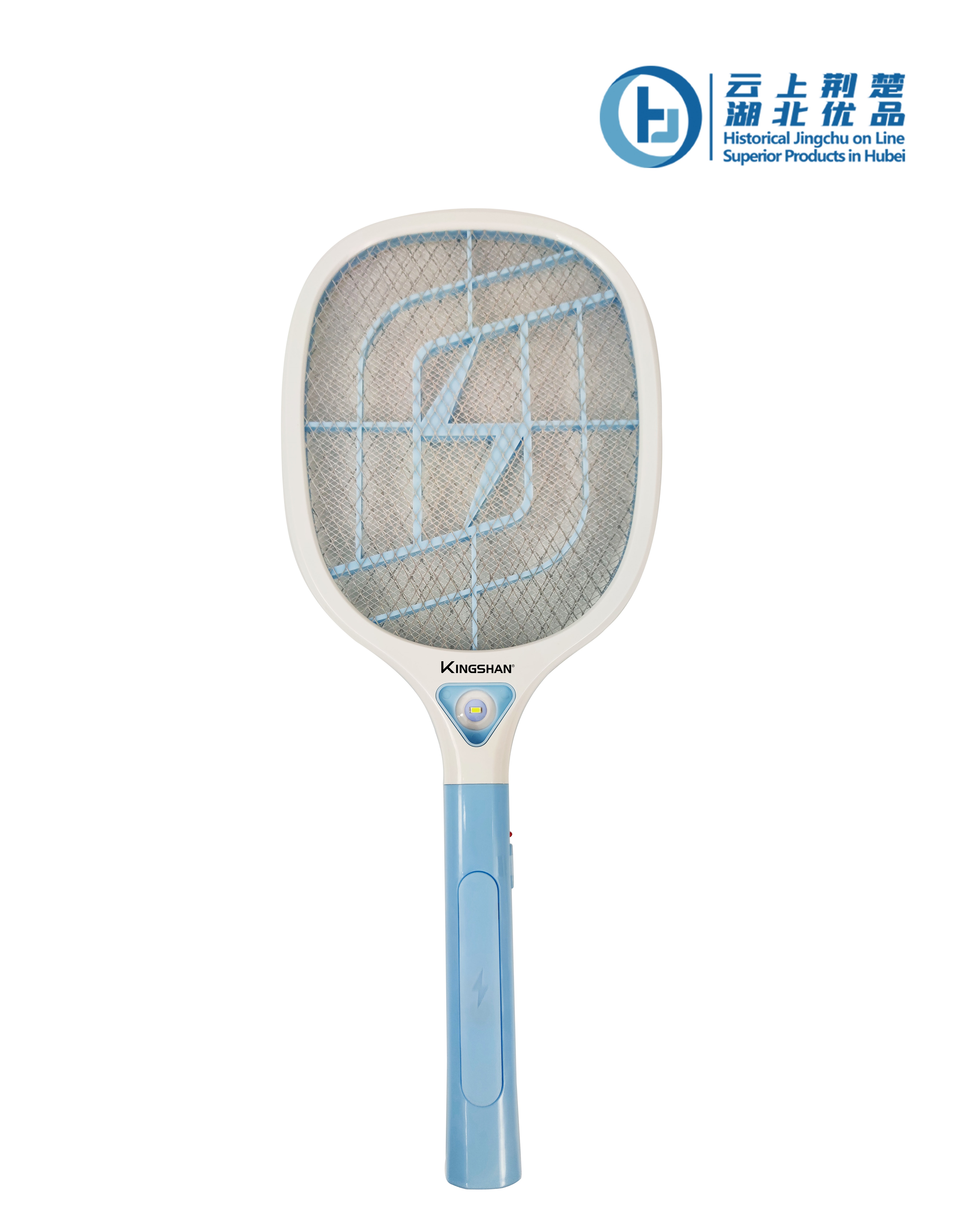
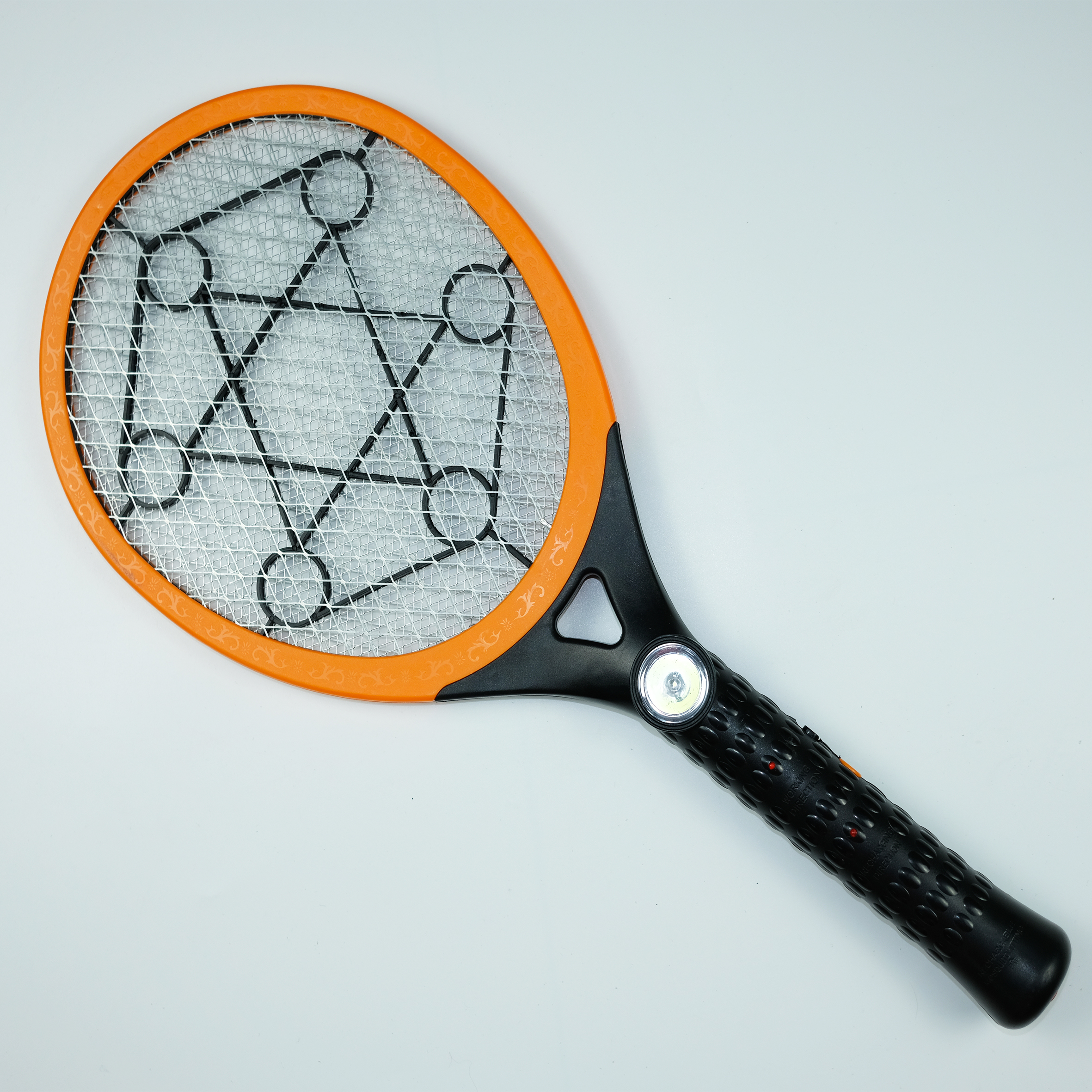
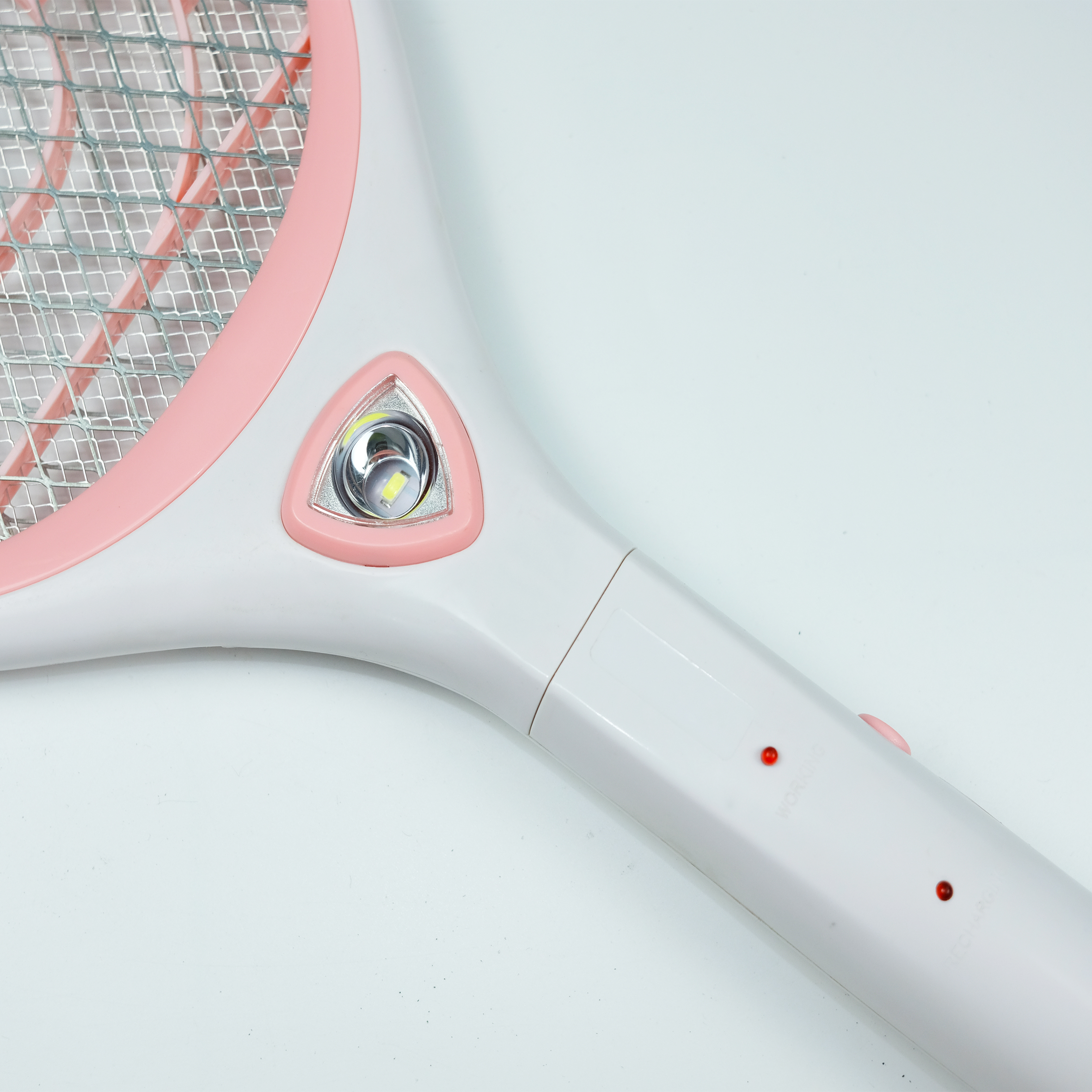
For traditional "zapper" models, the internal transformer dictates performance. Indoor units typically require a grid voltage of 800V to 1,500V, while commercial or outdoor units need 2,000V to 4,000V. Inferior transformers will arc inconsistently, fail under continuous load, or fail to deliver a clean kill, resulting in customer complaints.
| Kill Mechanism | Primary Component | Typical Application |
|---|---|---|
| High-Voltage Grid | Step-up Transformer | Outdoor / Commercial |
| Suction Trap | DC Brushless Fan | Indoor / Bedroom |
| Adhesive Board | UV Light + Glue Pad | Restaurants / Food Prep |
Struggling to verify component quality from overseas suppliers? Let us help you audit and select capable manufacturing partners.
Talk to our teamManufacturing Quality and Compliance Standards
Because these devices combine high voltages, continuous power draw, and often outdoor exposure, regulatory compliance is rigorous. In the US, high-voltage pest control devices require UL or ETL certification. Furthermore, any device claiming to kill pests via physical means must typically be produced in an EPA-registered establishment and bear an EPA Establishment Number on the packaging.
In Europe, CE (LVD and EMC directives) and RoHS are mandatory. When developing new products, utilizing compliance and testing services early in the prototyping phase prevents costly redesigns after mass production has begun.
Critical Factory-Level Quality Checks
A reliable factory will have strict incoming quality control for electronic components and robust end-of-line testing.
Essential Quality Control Parameters
- Transformer endurance testing under continuous load (minimum 48 hours).
- Housing material verification (V0 fire-retardant ABS or Polycarbonate).
- Safety guard gap measurement (must be under 6mm to prevent finger access).
- Discharge resistor check (grid must discharge within seconds of powering off).
- UV wavelength verification using a spectrometer.
Conducting thorough factory audits before placing an order is the most effective way to ensure the supplier possesses the testing equipment required to validate these safety parameters.
Sourcing Realities: MOQs, Lead Times, and Pricing
The supply chain for electric mosquito killers is heavily concentrated in Guangdong and Zhejiang provinces. Pricing is dictated entirely by the housing material, the type of UV source, and the quality of the transformer or suction fan.
If you are looking to modify the physical design or integrate smart features (like timer controls or light sensors), utilizing professional OEM/ODM services is highly recommended. Custom tooling for a new plastic housing typically costs between $4,000 and $8,000, depending on the complexity and size of the mold, and adds roughly 30 days to the initial development timeline.
Ready to negotiate pricing and MOQs for your next order? Partner with us to secure the best terms directly from the factory floor.
Get a free consultationFrequently Asked Questions
Successfully importing electric mosquito killers requires looking past the external design and scrutinizing the internal electronics. By mandating strict component specifications and verifying compliance early, buyers can secure reliable, high-margin products that perform safely in the hands of the end consumer.
Get Sourcing Help for Electric Mosquito Killers
Tell us your requirements and our experts will connect you with verified manufacturers.