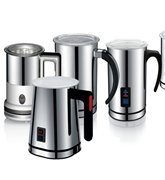
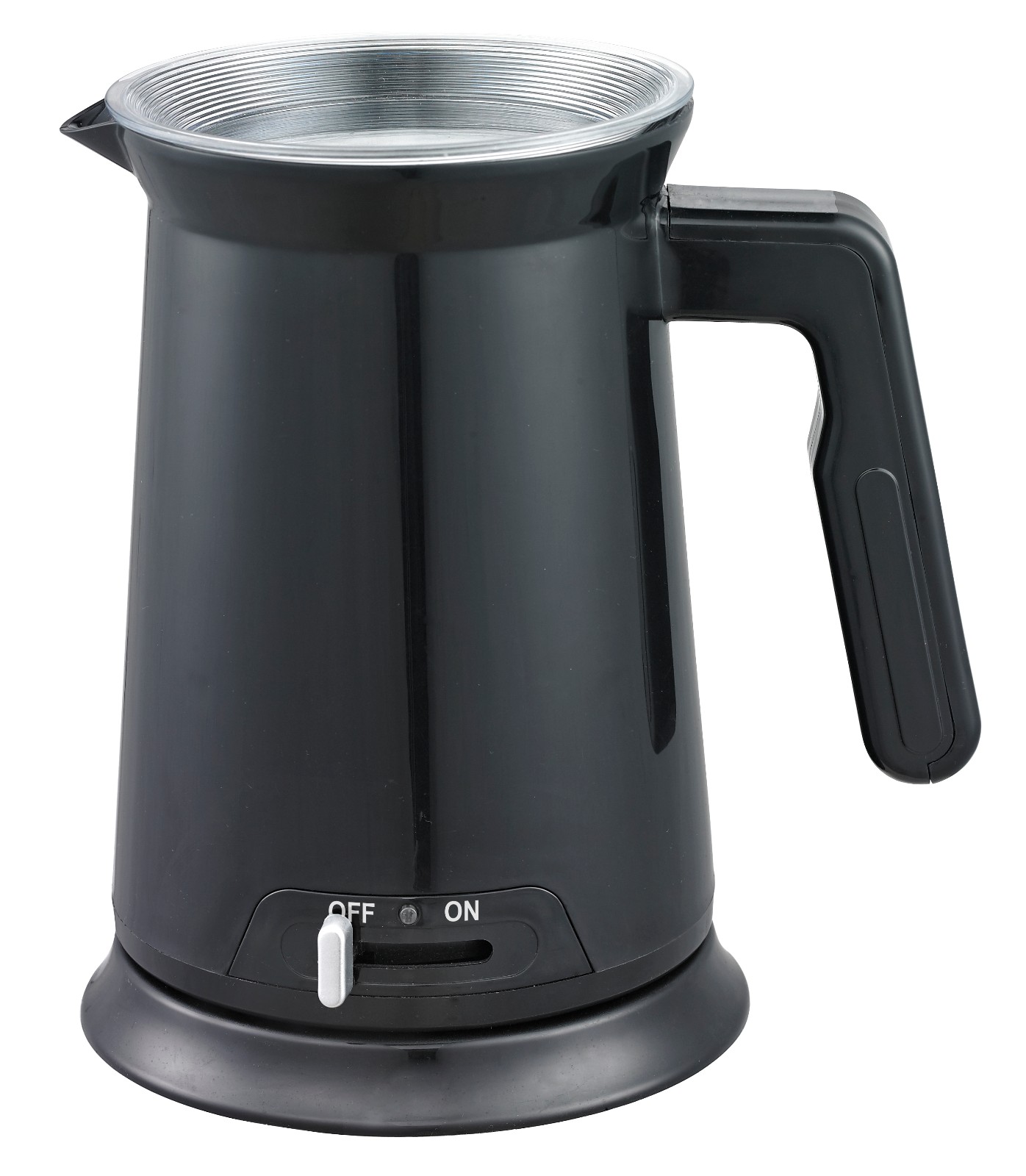
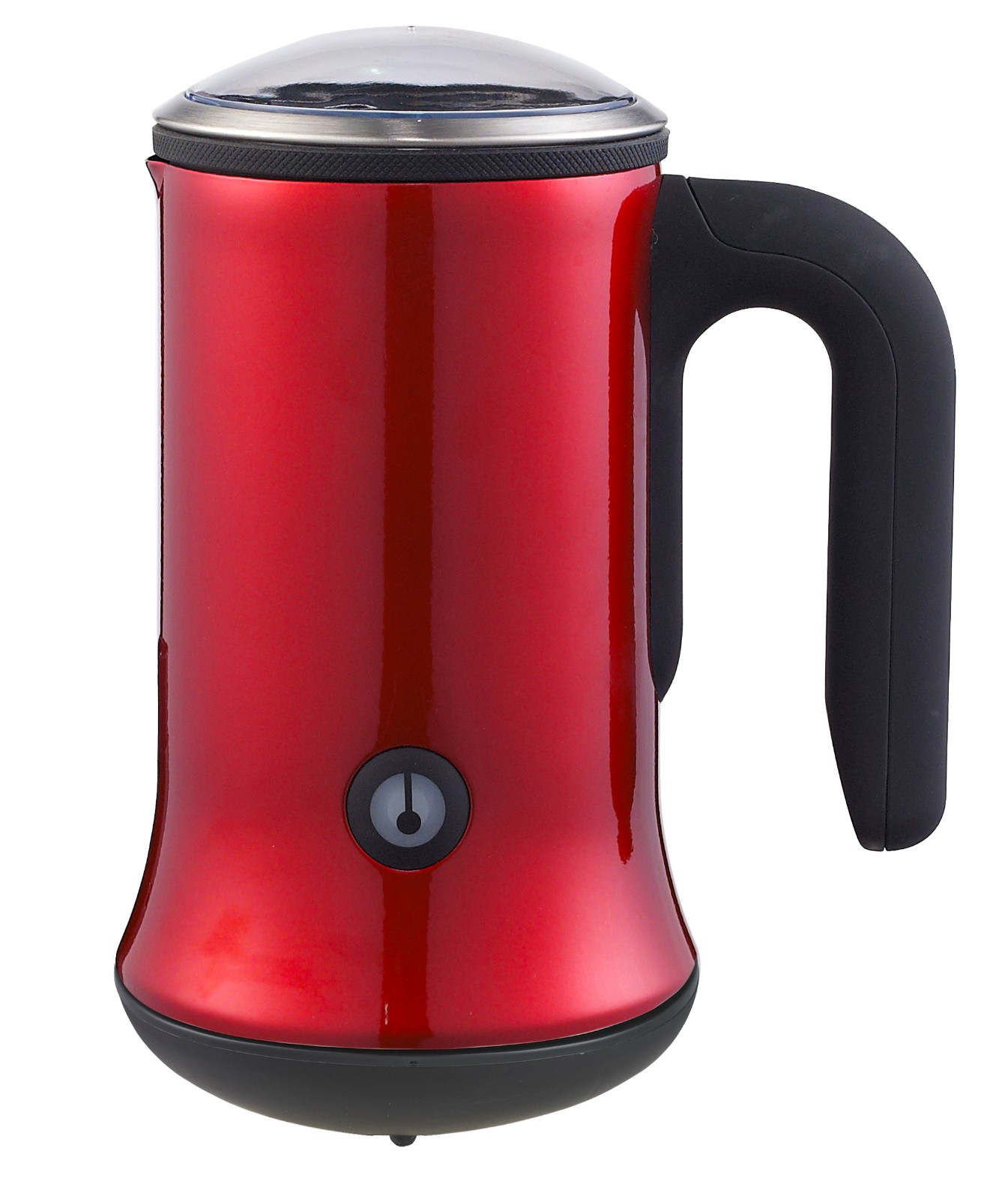
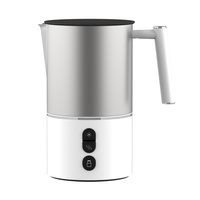
Electric Milk Frothers
Source high-quality Electric Milk Frothers from vetted suppliers and manufacturers across Asia. Designed for importers, distributors, and appliance brands seeking reliable OEM and private-label production, our network delivers scalable volumes, rigorous quality control, and certified food-safe materials for global markets.
Sourcing electric milk frothers at scale requires balancing motor durability, precise thermal control, and strict food-grade compliance. While the exterior design often drives consumer appeal, the true value of these appliances is determined by internal componentry—specifically the temperature controllers, drive mechanisms, and interior coatings. For professional buyers, navigating the appliance manufacturing hubs in Guangdong and Zhejiang means differentiating between factories that assemble off-the-shelf parts and manufacturers capable of engineering reliable, customized solutions.
Engineering Reliable Electric Milk Frothers
The core function of a premium milk frother relies on the synergy between the heating element and the agitation mechanism. Buyers must specify the exact architecture of the drive system, as this directly impacts the product's lifespan and warranty return rates.
| Drive Mechanism | Engineering Characteristics | Manufacturing Cost |
|---|---|---|
| Magnetic Drive | Motor in base turns a magnetic whisk; no penetration of the liquid chamber. | Premium (Higher tooling and component cost) |
| Mechanical Shaft | Motor shaft penetrates the base of the jug; relies heavily on silicone seals. | Economy (Lower cost, higher risk of eventual leaks) |
Critical Components: Controllers and Coatings
The temperature controller is the brain of a standalone frother. Premium models almost exclusively use Strix or Otter temperature controls (sourced from the UK) to ensure the milk reaches exactly 60 to 65 degrees Celsius without scorching. Utilizing generic or unbranded Chinese controllers lowers the unit cost by a few dollars but significantly increases the risk of thermal failure and scorched milk.
Additionally, the interior chamber requires a durable non-stick coating. While standard PTFE (Teflon) is common, there is a strong market shift toward ceramic coatings due to their durability and perceived safety benefits. If you are utilizing OEM/ODM Services to develop a custom product, specifying the exact coating supplier (e.g., Whitford or Greblon) is highly recommended.
Struggling to verify component origins with your current appliance factory? We can audit their supply chain and ensure you get the exact specifications you ordered.
Get a free consultationQuality Control and Manufacturing Defects
Electric milk frothers are notorious for a few specific failure modes. When a factory cuts corners on assembly or uses substandard seals, the defect rate can spike within the first three months of consumer use. Implementing robust Quality Control & Inspection protocols during production is non-negotiable.
Critical Pre-Shipment Inspection Points
- Hi-Pot (High Potential) Testing: Verifies electrical insulation and ensures the appliance will not short-circuit when exposed to moisture.
- Thermal Calibration Check: Testing a sample batch with water/milk to ensure the auto-shutoff triggers precisely between 60 and 65 degrees Celsius.
- Seal Integrity Test: For mechanical shaft models, filling the jug with colored water and running prolonged cycles to check for micro-leaks into the motor housing.
- Coating Adhesion Test: Cross-hatch testing on the interior non-stick coating to ensure it will not flake off during standard cleaning.
Global Compliance and Material Safety
Because electric frothers heat liquids intended for human consumption, they sit at the intersection of electrical safety and food contact regulations. A factory claiming "CE certification" for the electrical components does not automatically mean the interior plastics and coatings pass food safety standards.
You must ensure the factory provides valid, verifiable test reports for both domains. Electrical certifications typically include CE/RoHS for Europe and ETL/UL for North America. Food contact materials must pass LFGB testing for the EU market or FDA compliance testing for the US. Navigating these requirements often requires third-party Compliance & Testing to verify that the specific materials used in your production run match the golden sample.
Pricing Drivers, MOQs, and Lead Times
The wholesale cost of an electric milk frother is highly elastic, driven primarily by the choice of temperature controller, the drive mechanism, and the housing material (injection-molded ABS plastic versus double-wall stainless steel).
When negotiating with factories, be wary of quotes that fall significantly below the market average. These usually indicate the use of recycled ABS plastics, generic temperature controllers, or single-layer non-stick coatings that will degrade rapidly.
Ready to source premium electric milk frothers without the quality risks? Let us handle the factory vetting, price negotiation, and quality assurance.
Talk to our teamSuccessfully sourcing electric milk frothers requires looking past the cosmetic exterior to scrutinize the internal engineering and material safety. By partnering with experienced sourcing professionals, you can secure reliable manufacturing partners who deliver consistent quality, compliant materials, and scalable production for your brand.
Get Sourcing Help for Electric Milk Frothers
Tell us your requirements and our experts will connect you with verified manufacturers.