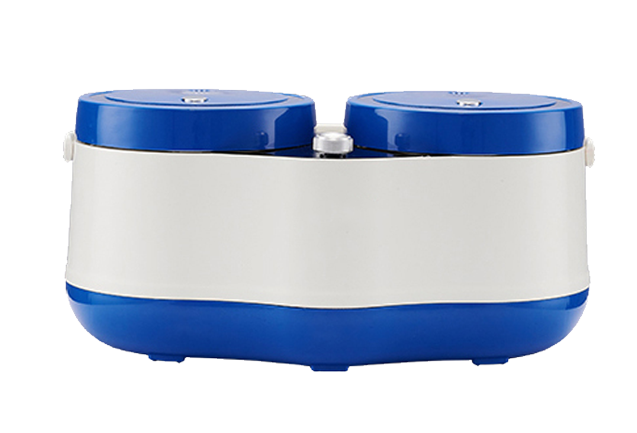
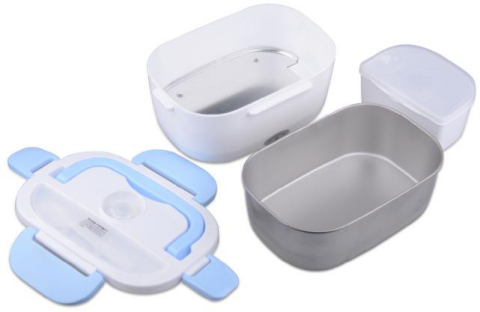
Electric Lunch Boxes
Source premium electric lunch boxes from vetted manufacturers and suppliers across Asia. This catalog is built for importers, wholesale distributors, and appliance brands seeking reliable OEM and private-label production in bulk. Explore our network for competitive pricing and scalable manufacturing.
The transition of the electric lunch box from a simple heated container to a multi-functional, dual-voltage portable appliance has significantly raised the bar for sourcing. Buyers are no longer just evaluating plastic injection molds; they must navigate complex electrical circuitry, thermal regulation components, and strict food-contact safety standards. Securing a reliable supply chain requires deep visibility into a factory's component sourcing, assembly line discipline, and compliance testing capabilities.
Core Specifications and Heating Technologies
The critical differentiator in modern electric lunch boxes is the heating element. Most high-quality units have moved away from traditional resistance wire heating to PTC (Positive Temperature Coefficient) technology. PTC heaters are self-regulating, meaning they naturally reduce power consumption as they reach their target temperature, drastically reducing the risk of overheating and fire hazards.
When evaluating a manufacturer's technical capabilities, pay close attention to the power supply architecture. Many buyers require dual-voltage or multi-voltage units (e.g., 12V/24V for automotive use alongside 110V/220V for standard wall outlets). Integrating these into a single unit without cross-circuit interference requires robust PCB design and superior insulation.
| Component | Standard Configuration | Premium / OEM Configuration |
|---|---|---|
| Heating Element | Traditional wire resistance | PTC self-regulating alloy |
| Inner Liner | 304 Stainless Steel (0.4mm) | 316 Stainless Steel (0.6mm) or Ceramic |
| Power Integration | Single voltage (110V or 220V) | Multi-voltage (12V/24V/110V/220V) |
| Outer Shell | Standard Polypropylene (PP) | High-temperature resistant, BPA-free Tritan/PP |
Need help verifying a factory's technical capabilities? Let's discuss your specification requirements.
Talk to our teamManufacturing Vulnerabilities and Quality Control
The factory floor is where profit margins are either secured or lost to high defect rates. Because electric lunch boxes combine moisture (food) with electricity, the manufacturing tolerances for sealing and insulation must be exact. Moisture ingress into the base heating compartment is the leading cause of field failures and returns.
To mitigate these risks, implementing rigorous Quality Control & Inspection protocols is non-negotiable. Inspectors must evaluate the product not just for cosmetic defects, but for structural integrity and electrical safety under operational stress.
Critical Inspection Points for Electric Lunch Boxes
- Silicone Seal Integrity: Verify the durometer (hardness) of the silicone gasket to ensure it maintains a watertight seal after repeated thermal cycling.
- Latch Durability: Test injection-molded latches for stress fractures; poor cooling times during molding lead to brittle latches.
- Dielectric Strength (Hi-Pot Testing): Ensure the factory performs 100% inline Hi-Pot testing to verify electrical insulation between the live circuitry and the user-accessible shell.
- Thermal Cut-off Verification: Test the secondary thermal fuse to ensure it deploys correctly if the primary PTC element fails.
Furthermore, navigating regulatory requirements is complex. A single unit must often pass both electrical safety directives (CE, FCC, RoHS, UL) and food-contact material standards (FDA, LFGB). Managing this dual-compliance burden requires dedicated Compliance & Testing oversight to ensure the factory's certifications are legitimate and apply to your specific BOM (Bill of Materials), not just a "golden sample."
Customization and OEM/ODM Production
For brands looking to differentiate, off-the-shelf white-labeling is rarely enough. Engaging in OEM/ODM Services allows you to modify the internal compartment layout, upgrade the UI (e.g., adding digital temperature displays or app connectivity), and optimize the exterior mold for better ergonomics.
When modifying molds, ensure the factory has in-house tooling capabilities or a tightly controlled subcontractor. Outsourced tooling often leads to intellectual property leaks and delays in sample iterations.
Typical MOQs, Lead Times, and Pricing Drivers
Pricing for electric lunch boxes is highly sensitive to the cost of raw materials (specifically stainless steel and copper for wiring) and the complexity of the PCB. Multi-voltage units with digital displays will command a significant premium over basic single-voltage, analog-switch models.
Beware of Artificial Low Prices
Suppliers quoting significantly below market averages often achieve these prices by substituting 304 stainless steel with 201 series, or by using recycled PP for the outer shell. Both compromises severely impact food safety and product lifespan.
Ready to formalize your pricing and production schedule? Contact us to structure your next volume order.
Get a free consultationFrequently Asked Questions
Sourcing electric lunch boxes in bulk demands a rigorous approach to electrical safety, material compliance, and assembly precision. By focusing on factory capabilities rather than just unit price, buyers can secure a reliable supply of high-performing appliances that protect their brand reputation. If you need experienced oversight on the ground in Asia, our team is ready to manage the process.
Get Sourcing Help for Electric Lunch Boxes
Tell us your requirements and our experts will connect you with verified manufacturers.