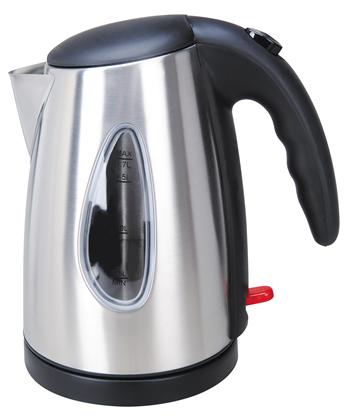
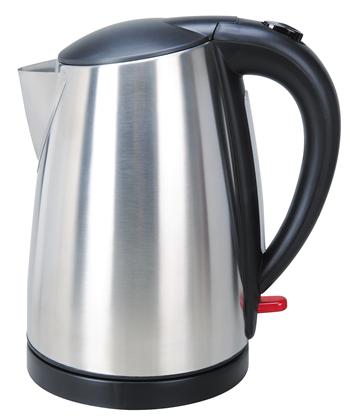
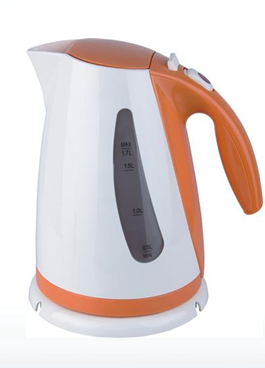
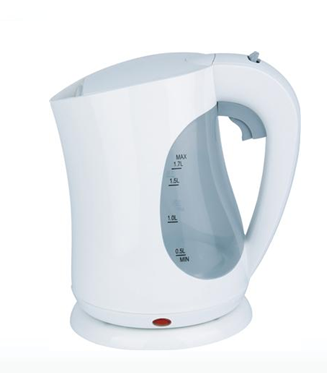
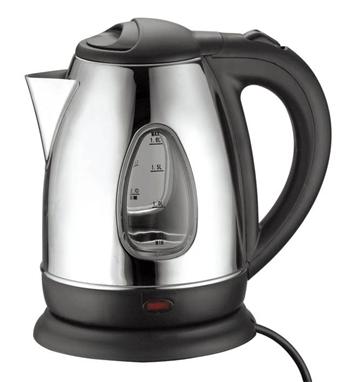
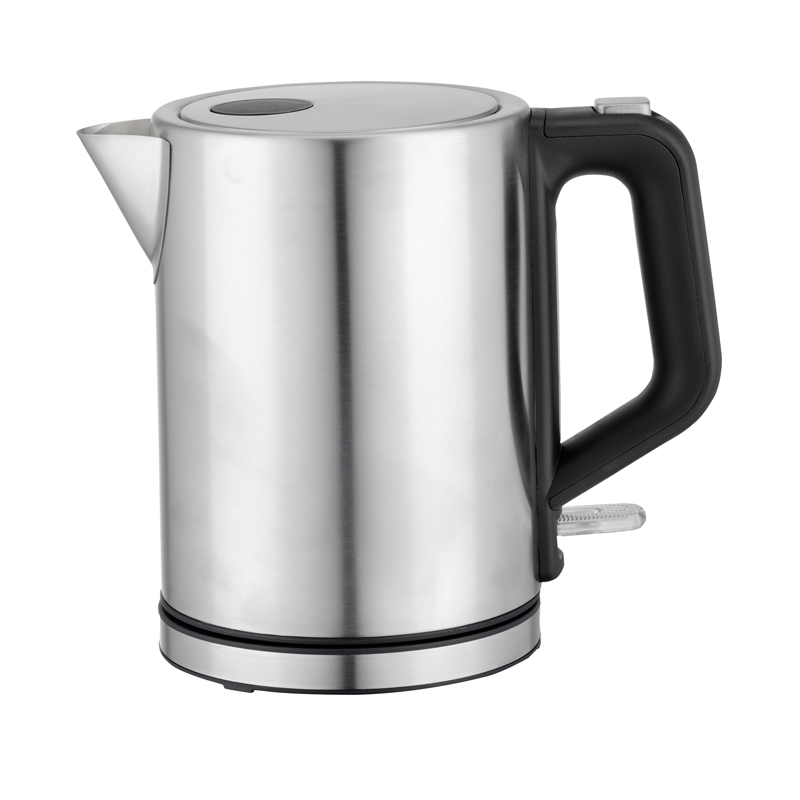
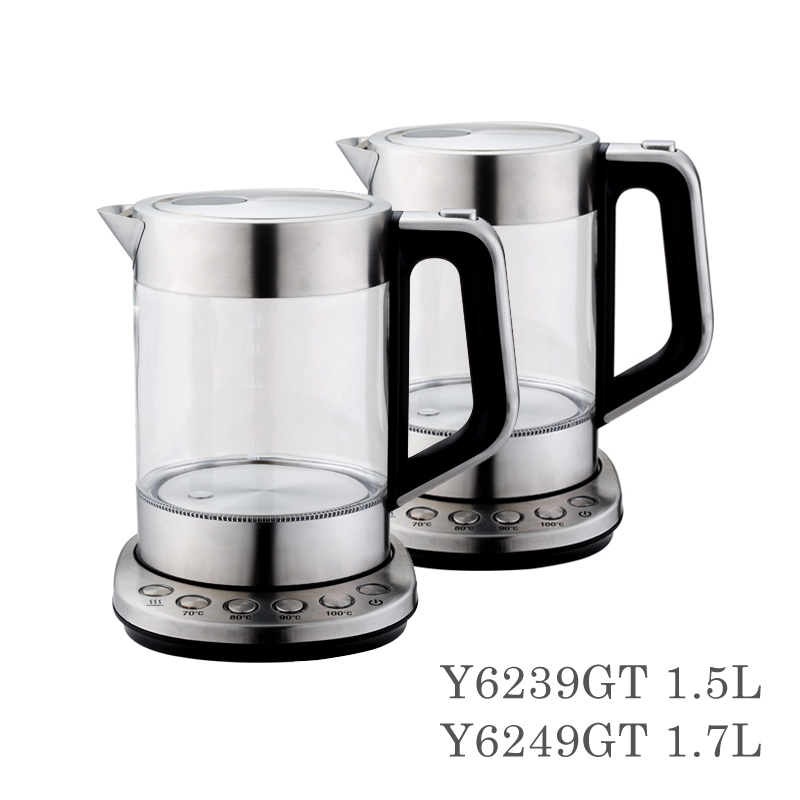
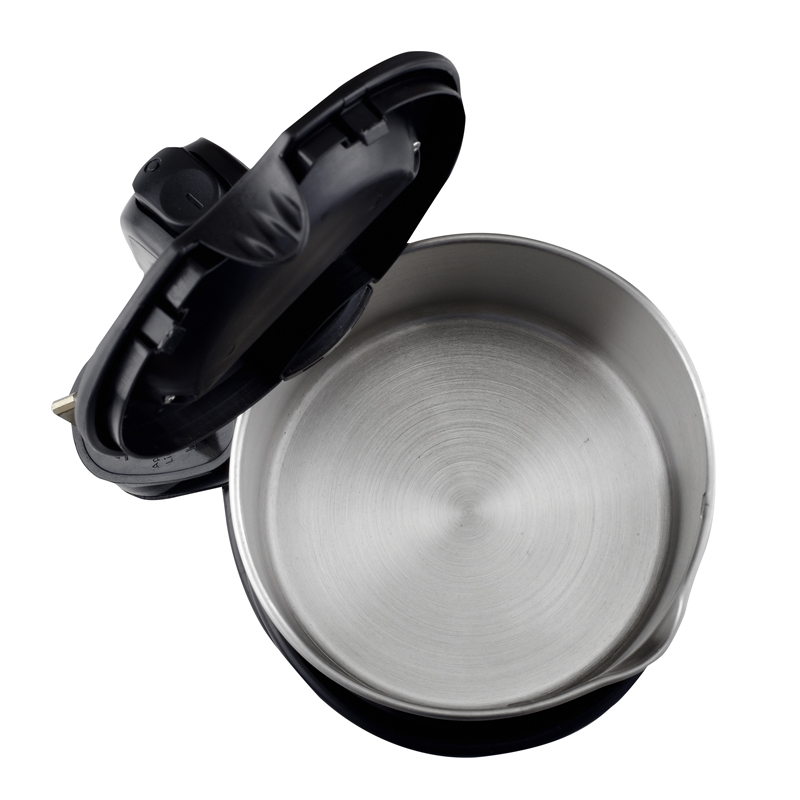
Electric Kettles
Source premium electric kettles directly from vetted manufacturers and wholesale suppliers. Designed for importers, distributors, and appliance brands seeking reliable OEM and private-label production, our network delivers compliant, high-volume manufacturing at competitive price points.
Sourcing electric kettles at scale requires navigating a landscape where a single component—the thermostat controller—dictates the safety, lifespan, and regulatory compliance of the entire appliance. For volume buyers, the challenge is balancing aesthetic design with strict electrical safety standards and food-grade material requirements across high-speed assembly lines.
Specifying Electric Kettles for Volume Production
The bill of materials (BOM) for an electric kettle is relatively compact, but the variance in component quality is vast. When finalizing your specifications with a factory, the primary cost drivers are the controller brand, the internal body material, and the base connector design.
| Component | Standard / Budget Market | Premium / Export Market |
|---|---|---|
| Thermostat Controller | Domestic (e.g., Jiatai, Fada) | UK Strix or Otter |
| Inner Body Material | 201 Stainless Steel or Standard Plastic | Seamless 304/316 SS or Borosilicate Glass |
| Heating Element | Exposed coil or basic stamped plate | Concealed die-cast aluminum with 304 SS cover |
| Housing Construction | Single-wall (gets hot to touch) | Double-wall (cool-touch exterior) |
The Controller Dilemma
The bimetallic thermostat controller manages the automatic shut-off and boil-dry protection. Western markets generally demand UK Strix or Otter controllers due to their proven reliability (often rated for over 10,000 cycles) and ease of passing UL/CE certifications. Domestic Chinese controllers are significantly cheaper and have improved in recent years, but they carry a higher risk of premature failure or certification friction in strict regulatory environments.
Need help navigating component selection? We help brands specify the right BOM to balance unit cost with strict market compliance.
Talk to our teamManufacturing Traps and Quality Control
Electric kettle manufacturing involves metal stamping, plastic injection molding, and intricate electrical assembly. Defects often occur at the junction points between materials—specifically where the heating element meets the water reservoir.
When evaluating a manufacturer or conducting Factory Audits, pay close attention to their testing infrastructure. A reliable kettle factory will integrate 100 percent inline testing for critical safety functions, rather than relying solely on batch sampling.
Critical Factory-Floor Quality Checks
- Hi-Pot (Dielectric Withstand) Testing: Ensuring insulation prevents electrical shock.
- Boil-Dry Calibration: Verifying the thermostat cuts power within seconds of operating without water.
- Leakage Testing: Checking the silicone seals at the base of the water window and heating element.
- Grounding Continuity: Essential for kettles with metal housings (Class I appliances).
- Lid Hinge Fatigue: Mechanical testing of the lid release mechanism for longevity.
If you are importing to North America or the EU, regulatory compliance is non-negotiable. Beyond electrical safety (LVD/EMC, UL/ETL), all water-touching components must pass food-contact testing (FDA, LFGB, or REACH). Implementing rigorous Quality Control & Inspection before the goods leave the factory is the only way to prevent costly recalls.
Sourcing Realities: Pricing, MOQs, and Lead Times
Understanding standard factory requirements helps you plan your procurement cycle and negotiate effectively. Factories typically categorize orders into off-the-shelf white-label products, minor cosmetic customizations, and full custom tooling.
If you are developing a completely unique housing or integrating smart features (like precise temperature control or Bluetooth connectivity), you will need dedicated OEM/ODM Services. Custom tooling extends the initial lead time by 30 to 60 days but allows you to own the design IP in a crowded market.
Ready to scale your appliance line? We manage supplier negotiations, compliance verification, and production oversight from start to finish.
Get a free consultationFrequently Asked Questions
Procuring electric kettles requires strict oversight of both electrical safety and material integrity. By partnering with factories that maintain rigorous inline testing and specifying the right tier of internal components, volume buyers can secure reliable, compliant appliances that build long-term brand trust.
Get Sourcing Help for Electric Kettles
Tell us your requirements and our experts will connect you with verified manufacturers.