Electric Kettle Parts
Source premium Electric Kettle Parts from vetted suppliers and manufacturers across Asia. Designed for importers, wholesalers, and brands requiring reliable OEM and private-label production, our catalog connects you directly with factories capable of fulfilling high-volume, compliant orders for global markets.
Sourcing electric kettle parts in bulk requires a careful balance between stringent electrical safety standards and aggressive unit economics. Whether you are assembling units domestically or procuring replacement components for a distribution network, the reliability of heating elements, thermostats, and base connectors ultimately dictates your product's regulatory compliance and market lifespan.
Specifying Core Kettle Components
The heart of any electric kettle lies in its thermal regulation and heating elements. When negotiating with manufacturers, vague specifications lead to component substitution, which can drastically increase defect rates and safety liabilities.
Thermostats and Controllers
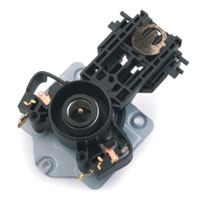
The temperature controller is the most critical safety component, responsible for auto-shutoff and dry-boil protection. The market is segmented by reliability and brand recognition. Specifying the exact tier of controller is essential for both pricing and market entry, as premium markets often demand specific brand-name controllers to pass rigorous local certifications.
| Controller Tier | Typical Lifespan | Primary Application | Cost Impact |
|---|---|---|---|
| Premium (e.g., Strix, Otter) | 10,000+ cycles | High-end OEM brands, EU/US markets | High |
| Mid-Tier (e.g., Jiatai, Fada) | 5,000 to 8,000 cycles | Mid-market domestic appliances | Moderate |
| Economy (Unbranded) | Under 3,000 cycles | Budget and promotional items | Low |
Need help identifying the right component tier for your target market? Let us connect you with vetted factories.
Talk to our teamHeating Elements and Plates
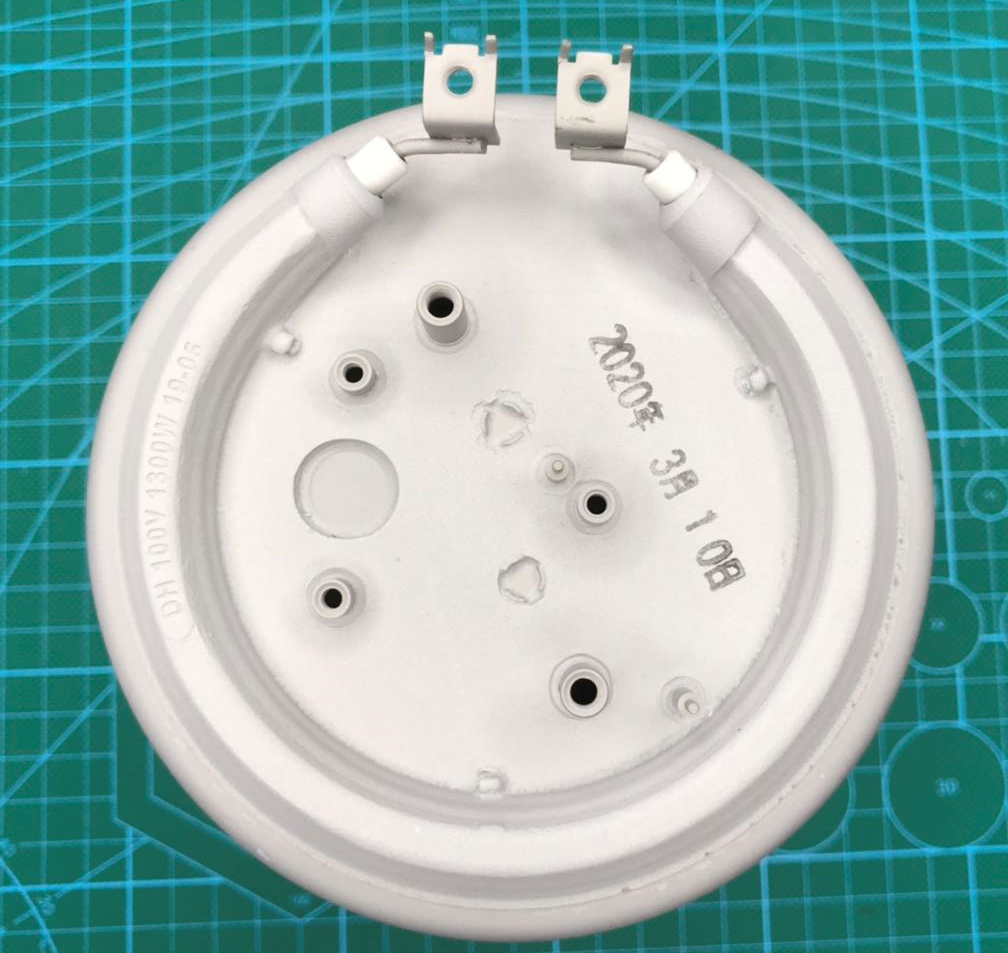
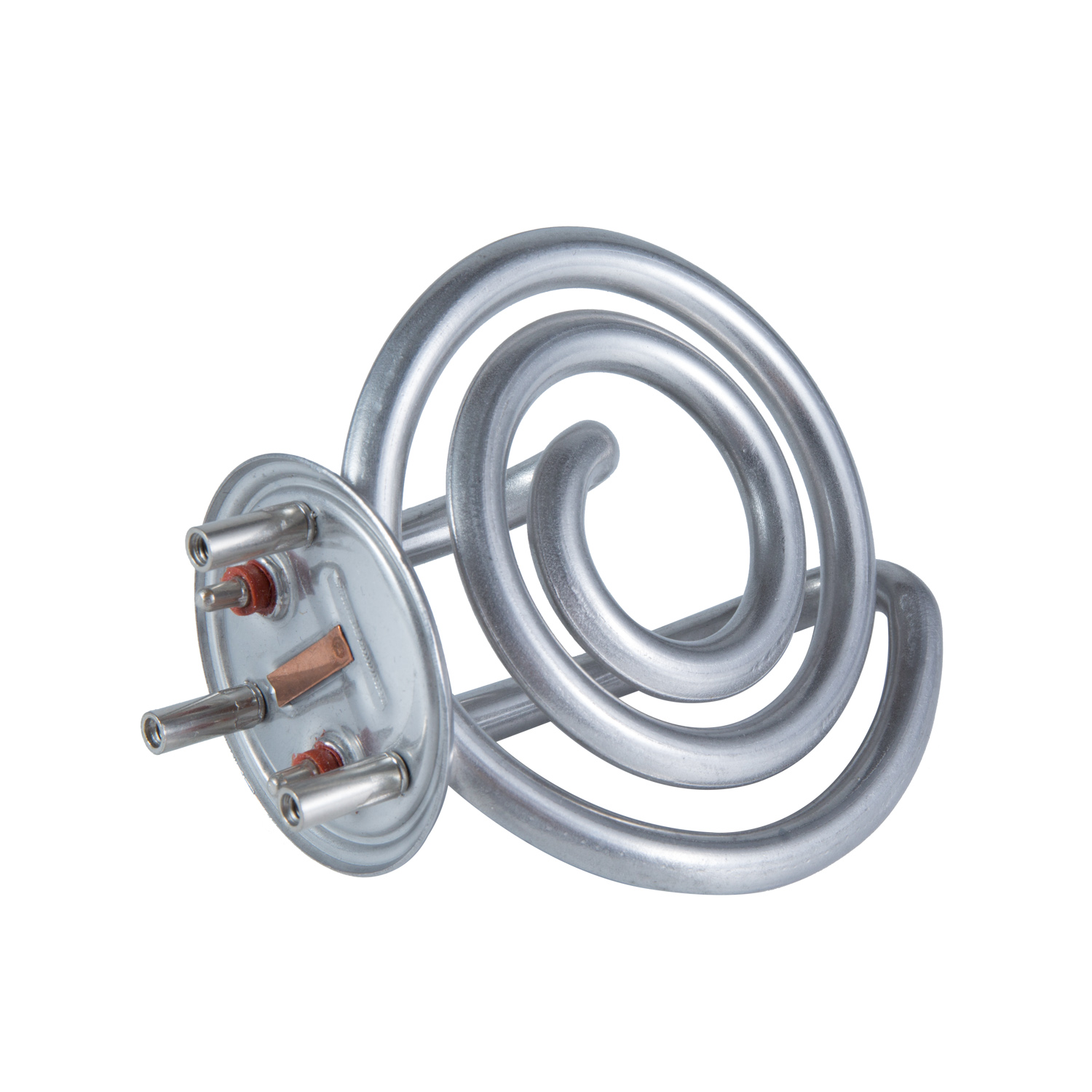
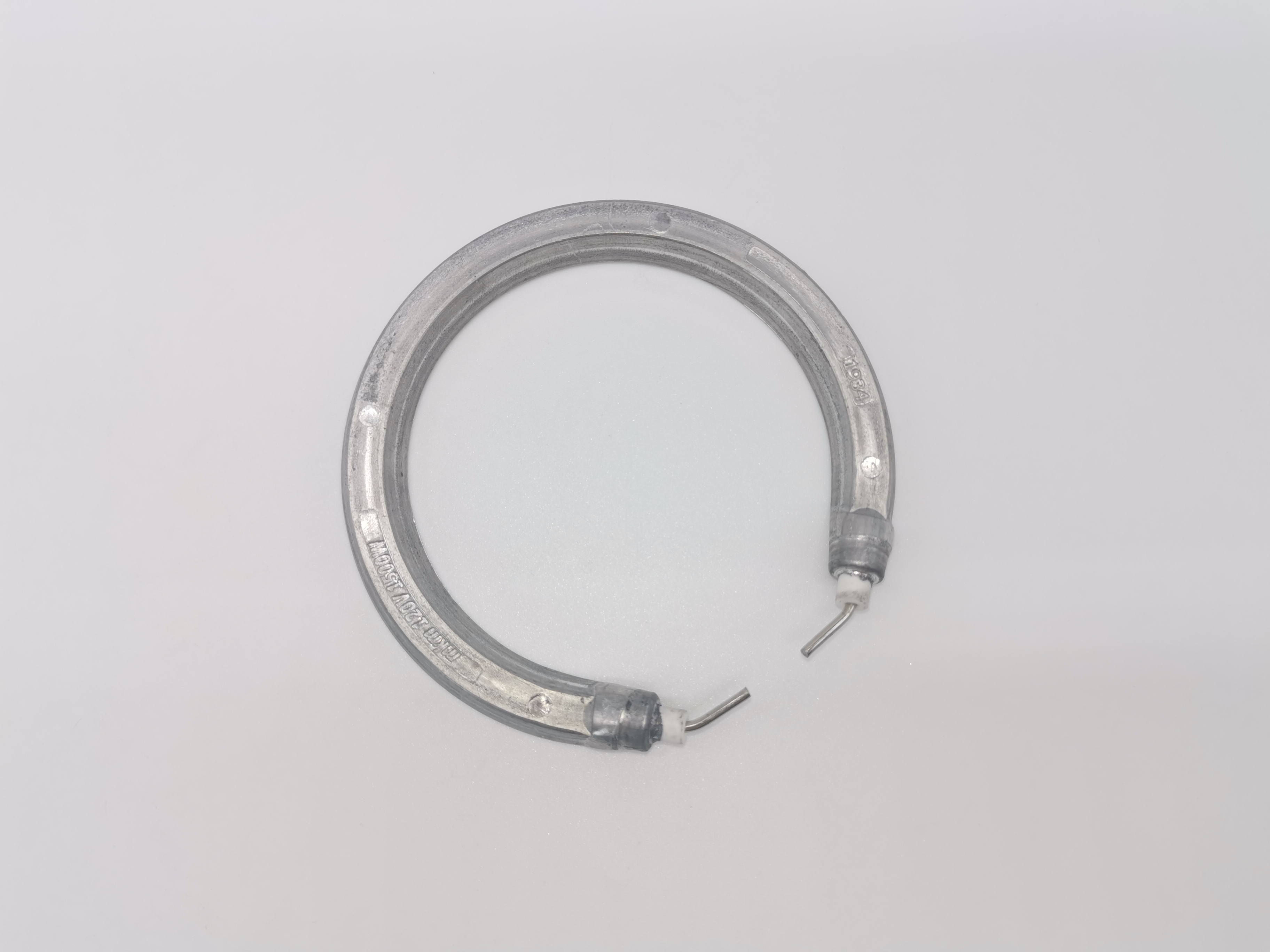
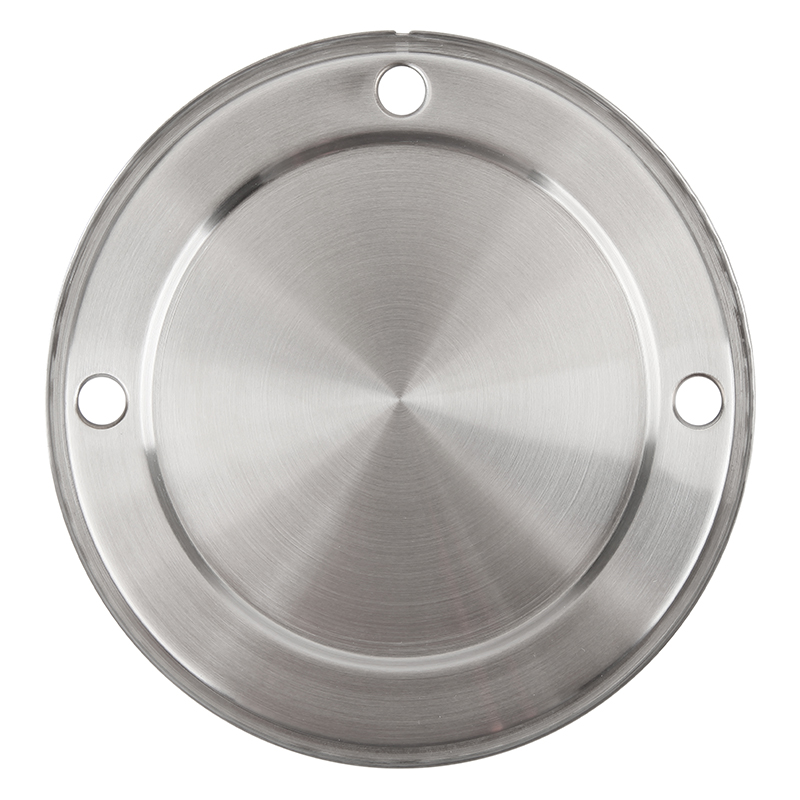
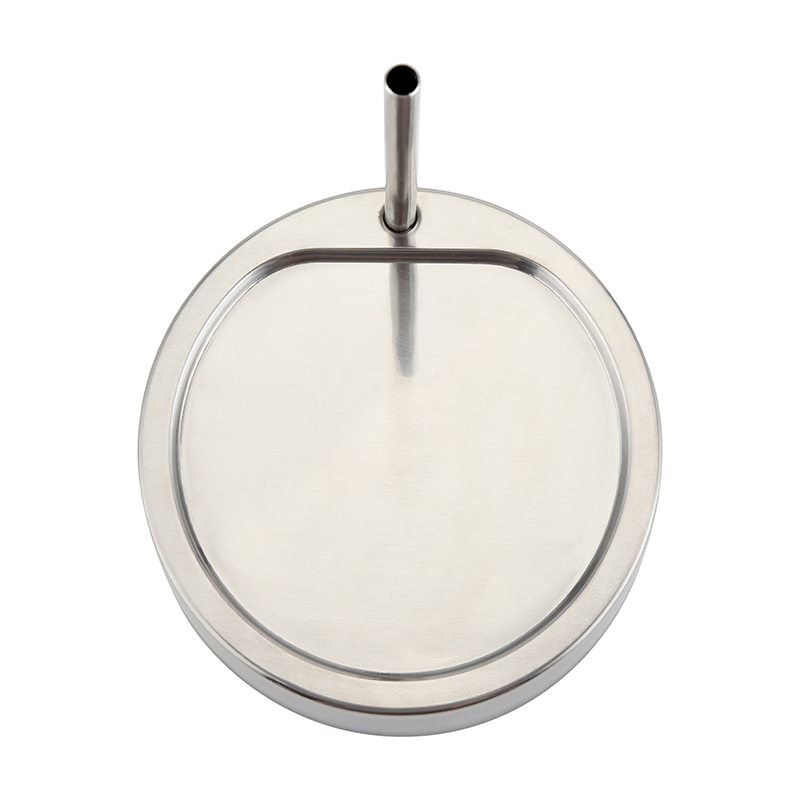
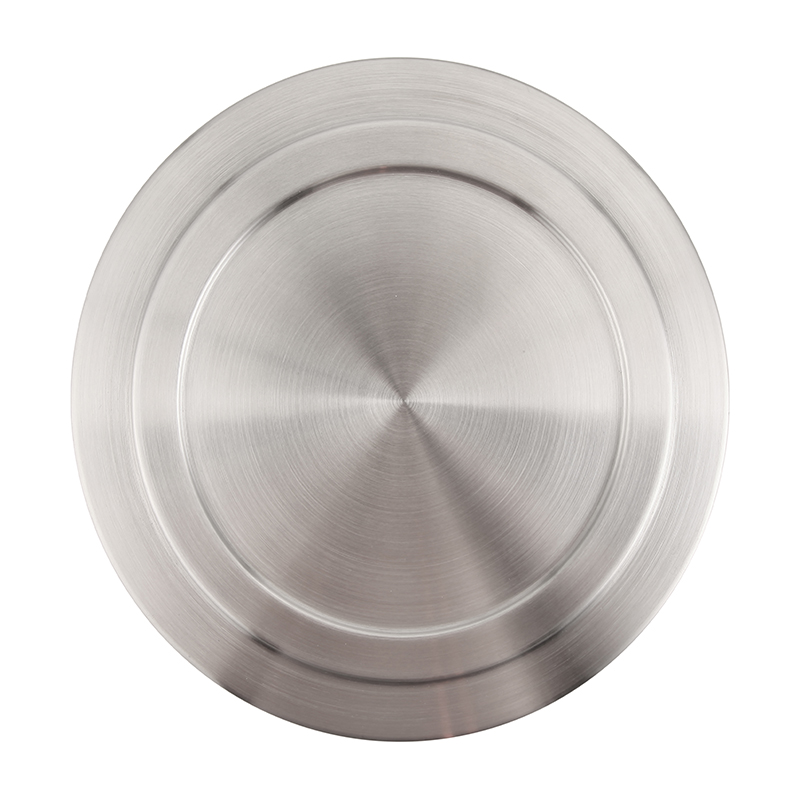
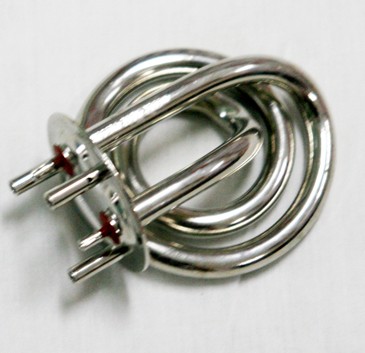
Modern kettles predominantly use concealed heating plates rather than exposed coils. The plate consists of an aluminum heat spreader brazed to a stainless steel upper and a tubular heating element below.
- Wattage: Typically ranges from 1500W to 3000W. Higher wattage requires thicker gauge wiring and more robust electrical contacts to prevent overheating.
- Material: The upper plate, which contacts the water, must be food-grade. SUS304 stainless steel is the industry standard. SUS316 is used in premium models for better corrosion resistance in hard-water regions, while SUS201 should be strictly avoided for food-contact surfaces due to its susceptibility to rust.
Quality Control and Defect Prevention
A kettle's failure often stems from poor assembly tolerances or substandard secondary materials, such as the silicone sealing rings that prevent water from reaching the electrical housing. Catching these issues requires rigorous Quality Control & Inspection before the components leave the factory floor.
Critical Factory-Level QC Checks for Kettle Parts
- Hi-Pot (High Potential) testing to verify electrical insulation integrity and prevent shock hazards.
- Earth continuity checks for all metal-bodied kettle components.
- Dry-boil protection verification under simulated failure conditions.
- Thermal cycling tests to ensure silicone seals do not degrade or leak at maximum thermal expansion.
- Verification of food-grade material certificates for plastics (PP) and metals contacting water.
If you are importing components for assembly in strictly regulated markets like the EU or North America, ensuring your factory maintains valid CE, RoHS, and FDA/LFGB test reports is non-negotiable. Engaging in independent Compliance & Testing is highly recommended to verify that factory-provided certificates match the actual production run.
MOQs, Lead Times, and Pricing Dynamics
Component pricing fluctuates based on raw material costs—specifically copper (for wiring and contacts), aluminum, and stainless steel.
- Minimum Order Quantities (MOQs): Standard off-the-shelf parts like generic heating plates or base connectors typically require MOQs of 3,000 to 5,000 pieces. If you are utilizing OEM/ODM Services for custom-tooled heating elements or proprietary plastic housings, expect MOQs to start at 10,000 pieces to absorb the tooling costs.
- Lead Times: Standard production runs take 25 to 40 days, though this can extend to 60 days leading up to major Asian holidays.
- Pricing Drivers: Beyond raw materials, the choice of thermostat brand is the single largest variable in component cost. Upgrading from a domestic Chinese controller to a UK-designed Strix controller can increase the BOM (Bill of Materials) cost significantly, but it drastically reduces warranty claims.
Optimize your component sourcing strategy and negotiate better terms with reliable suppliers.
Get a free consultationFrequently Asked Questions
Successfully sourcing electric kettle parts means looking past the unit price and scrutinizing the engineering tolerances and material grades. Partnering with suppliers who understand international compliance standards is the most effective way to protect your supply chain from costly recalls and defect rates.
Get Sourcing Help for Electric Kettle Parts
Tell us your requirements and our experts will connect you with verified manufacturers.