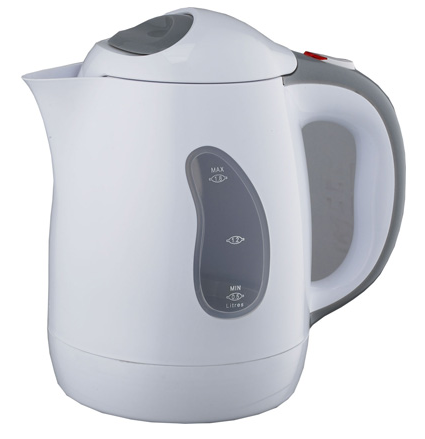
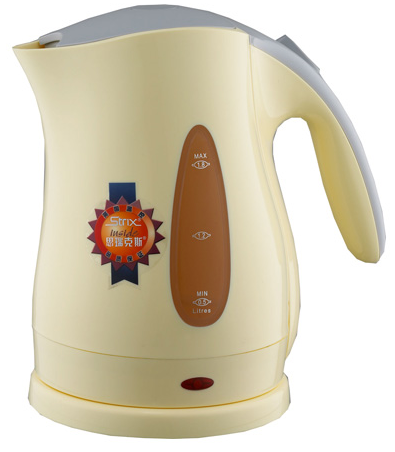
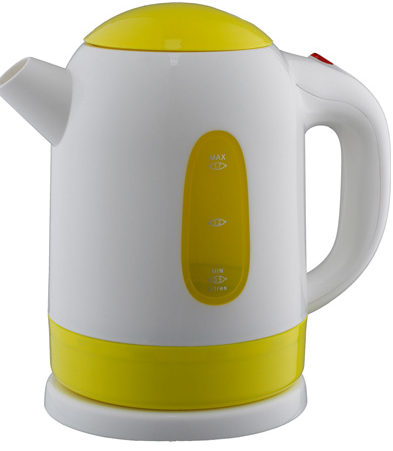
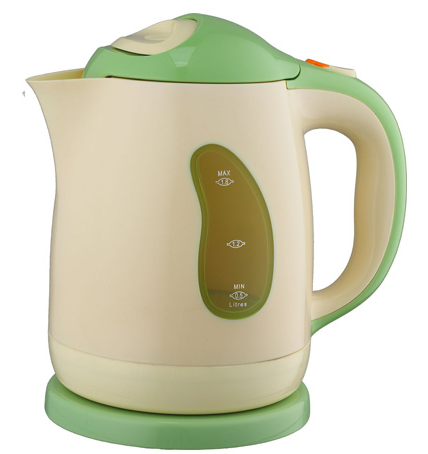
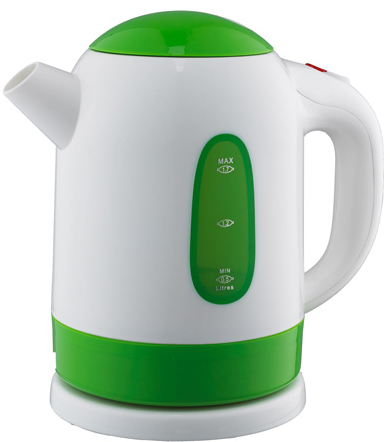
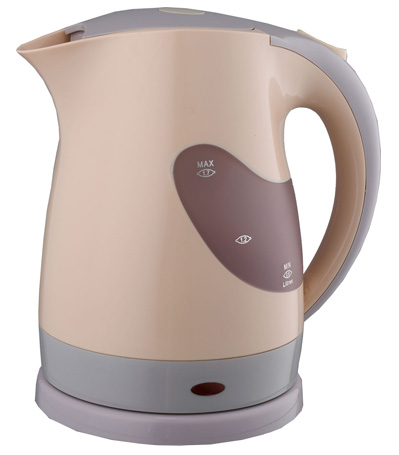
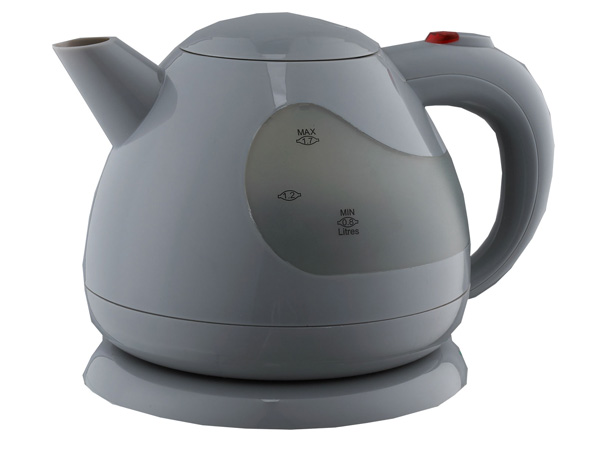
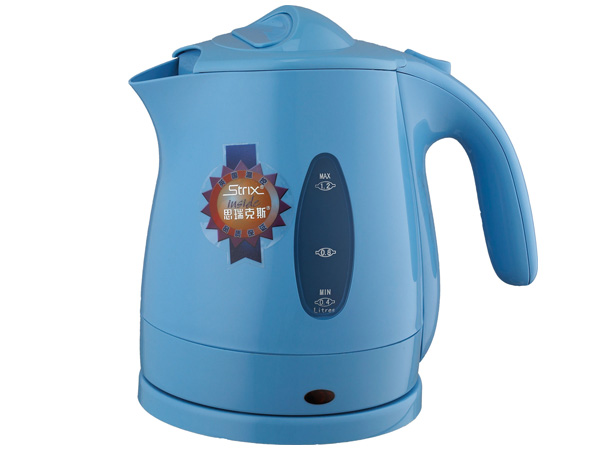
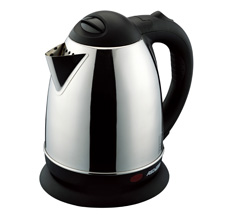
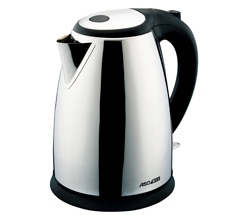
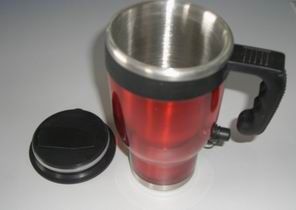
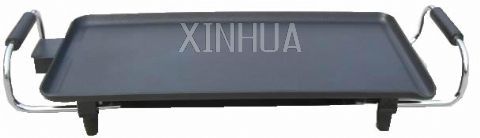
Electric Kettle and Boiling Appliance
Source Electric Kettle and Boiling Appliance units directly from vetted manufacturers and suppliers. This catalog is built for importers, wholesale distributors, and appliance brands seeking reliable bulk sourcing, private labeling, or custom OEM production. Find certified factory partners capable of scaling your supply chain.
Electric kettles and boiling appliances are high-volume staples, but sourcing them at scale requires strict attention to electrical safety and material integrity. The core challenge is not simply finding a supplier—it is identifying a factory that maintains consistent assembly standards, uses reliable thermal controllers, and passes strict electrical safety tests over thousands of units.
Key Components and Material Specifications
The longevity and safety of a boiling appliance depend almost entirely on its internal components and housing materials. When specifying your product, the thermal controller is the most critical decision you will make.
The Controller Dictates Quality
The thermal controller manages the auto-shutoff and boil-dry protection. Premium brands specify UK-made Strix or Otter controllers, which withstand over 10,000 cycles. Lower-cost units often use domestic Chinese controllers (like Jiatai or Fada), which are cost-effective but may have a shorter lifespan of 3,000 to 5,000 cycles. Always specify the exact controller brand in your Bill of Materials (BOM).
Housing materials also drive both the unit cost and the target market positioning.
| Housing Material | Market Positioning | Key Sourcing Considerations |
|---|---|---|
| 304/316 Stainless Steel | Mid to Premium | Check for seamless inner pots to prevent rust and leaks at the base joint. |
| Borosilicate Glass | Mid-Range | Ensure the glass thickness is at least 2mm to resist thermal shock and transit damage. |
| Food-Grade PP Plastic | Budget / Entry-Level | Must be certified BPA-free and high-temperature resistant to avoid plastic odors during boiling. |
Need help verifying factory component sources and production capabilities?
Talk to our teamManufacturing Quality and Factory Vetting
Not all assembly lines are equipped to handle high-wattage appliances safely. When evaluating a potential manufacturing partner, you must look at their in-house testing capabilities. Relying on basic visual checks is insufficient for products that combine water and 1500W+ electrical currents.
Before committing to a production run, conducting thorough Factory Audits ensures the supplier has the automated equipment necessary to maintain tight tolerances, particularly around the heating element and base plate seal.
During production, your Quality Control & Inspection protocols should mandate the following checks on the assembly line:
Critical In-Line Quality Checks
- Hi-Pot (High Potential) Testing: Ensuring the insulation can handle high voltage without leaking current.
- Earth Continuity Testing: Verifying the grounding wire is securely connected to the metal chassis.
- Pneumatic Leak Testing: Applying air pressure to the sealed water chamber before electrical assembly to catch microscopic leaks.
- Boil-Dry Protection Verification: Testing the auto-shutoff mechanism when the unit is powered on without water.
Global Compliance and Certification
Boiling appliances are heavily regulated. Importing non-compliant units can lead to customs seizures or severe liability issues.
For the North American market, UL or ETL certification is mandatory, and the factory must be authorized to apply these marks. For Europe, CE (specifically LVD and EMC directives) and RoHS compliance are required. Because regulations change and components are frequently swapped by lower-tier suppliers, utilizing professional Compliance & Testing services is highly recommended to verify that the mass-produced units match the golden sample.
Pricing Drivers, MOQs, and Lead Times
Unit costs in this category are driven by the controller brand, the housing material, the wattage, and additional features like variable temperature control (which requires a custom PCB) or digital displays.
If you are developing a custom design or integrating smart IoT features, you will need to engage in comprehensive OEM/ODM Services. Standard "off-the-shelf" white-label units have lower MOQs but offer less differentiation in a crowded market.
Optimize your unit costs and negotiate better terms with vetted appliance manufacturers.
Get a free consultationFrequently Asked Questions
Successfully sourcing electric kettles requires balancing unit economics with uncompromising electrical safety. By partnering with vetted manufacturers who maintain strict quality management systems, you can secure reliable inventory that protects your brand's reputation and bottom line.
Get Sourcing Help for Electric Kettle and Boiling Appliance
Tell us your requirements and our experts will connect you with verified manufacturers.