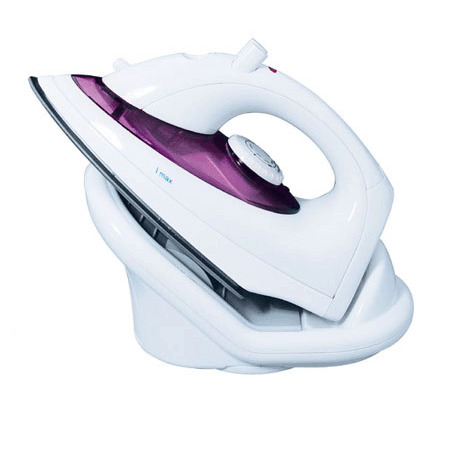
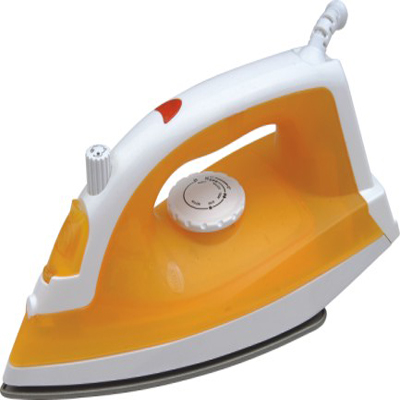
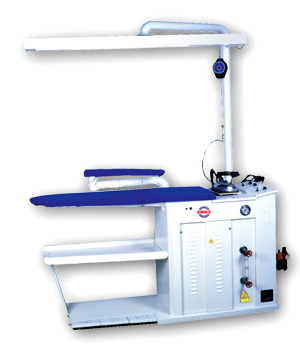
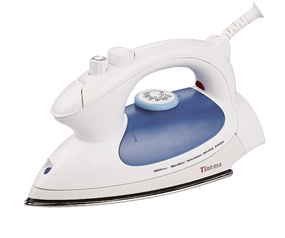
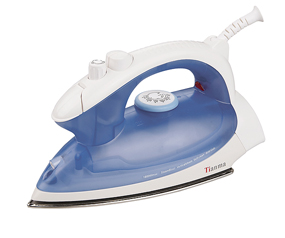
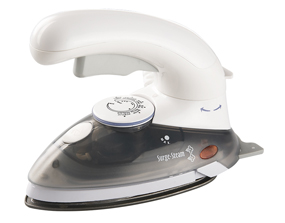
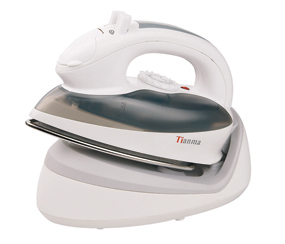
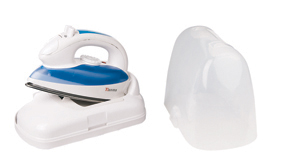
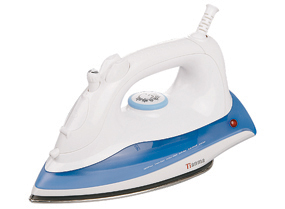
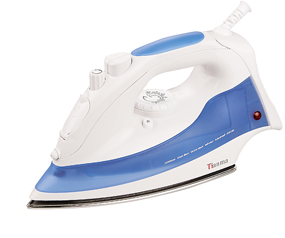
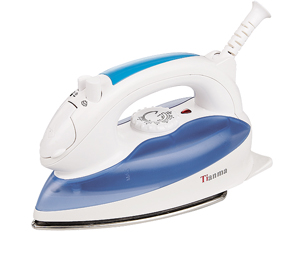
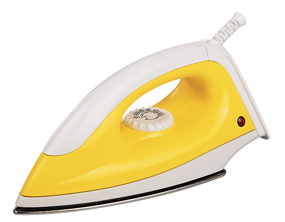
Electric Irons
Source bulk electric irons directly from vetted manufacturers and suppliers in China. Designed for importers, wholesalers, and appliance brands, our network offers OEM/ODM production, competitive wholesale pricing, and strict quality control to ensure total market compliance.
Sourcing electric irons at scale requires balancing thermal efficiency, user safety, and strict market compliance. The challenge isn't just finding a factory that can assemble heating elements and plastic housings; it's securing a partner capable of consistent steam performance, precise thermostat calibration, and zero-defect electrical safety across thousands of units.
For high-volume buyers, understanding the technical variables on the factory floor is the only way to control product lifespan and minimize return rates.
Critical Specifications for OEM/ODM Buyers
When defining your product requirements, the core components dictate both the manufacturing cost and the end-user experience. You must specify exact parameters rather than relying on a factory's default "standard" build.
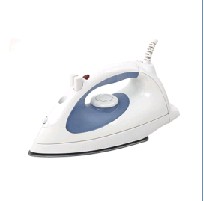
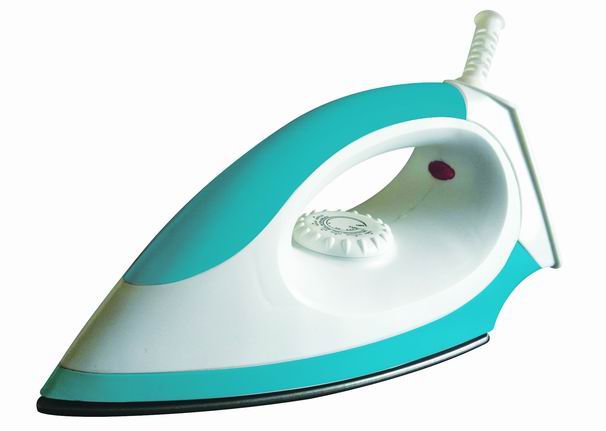
- Heating Elements and Wattage: Standard domestic irons range from 1,200W to 3,000W. Higher wattage ensures faster heat-up times and stronger steam bursts, but requires robust internal wiring and high-temperature-resistant plastics (like PBT) near the soleplate.
- Steam Generation Systems: Specify continuous steam output (measured in grams per minute, typically 25g to 50g/min) and steam burst capacity (often 100g to 250g/min). The anti-drip mechanism—usually a bimetallic valve that closes the water channel at low temperatures—must be rigorously tested to prevent water spotting on garments.
- Soleplate Engineering: The soleplate material and its coating thickness directly impact glide and durability.
| Soleplate Type | Durability | Heat Distribution | Cost Impact |
|---|---|---|---|
| PTFE (Teflon) Coated Aluminum | Low | Average | Low |
| Ceramic Coated | Medium | Excellent | Moderate |
| Polished Stainless Steel | High | Good | Moderate |
| Anodized Aluminum | Very High | Excellent | Premium |
Need help verifying a manufacturer's technical capabilities and tooling capacity?
Talk to our teamManufacturing Vulnerabilities and Quality Control
Electric irons combine water, high heat, and mains electricity—a combination that leaves zero room for manufacturing errors. Most defects originate during injection molding, ultrasonic welding, or final assembly.
Water tanks are typically made from transparent or translucent plastics joined via ultrasonic welding. If the welding parameters (pressure, time, amplitude) fluctuate, micro-leaks will occur. Similarly, the thermostat's bimetallic strip must be calibrated perfectly; a deviation of even a few degrees can result in scorched fabrics or inadequate steam generation.
To prevent these issues from reaching your warehouse, a comprehensive Quality Control & Inspection protocol must be implemented before shipment.
Critical Pre-Shipment Inspection Points
- High-pot (dielectric withstand) testing on 100 percent of units to ensure electrical safety.
- Thermostat calibration verification at minimum, medium, and maximum settings.
- Water tank pressure and visual leakage testing.
- Power cord strain relief flex testing (minimum 10,000 cycles).
- Anti-drip functionality validation at low temperatures.
Furthermore, market entry requires strict adherence to safety directives. Whether you need CE and RoHS for Europe, or UL/ETL for North America, ensuring your supplier actively maintains these certifications is non-negotiable. Utilizing professional Compliance & Testing services protects your brand from costly recalls.
Pricing, MOQs, and Production Lead Times
The manufacturing hubs for electric irons in China are highly concentrated. Cixi (in Zhejiang province) is globally recognized for producing massive volumes of cost-effective and mid-tier irons, while Shunde (in Guangdong province) tends to house manufacturers focused on premium models and complex steam generator stations.
Because many trading companies pose as direct manufacturers, conducting thorough Factory Audits is essential to confirm actual production capacity and social compliance (BSCI, Sedex).
If you are developing a completely custom housing or proprietary soleplate design, you will need to engage in OEM/ODM Services. Custom tooling will increase your initial lead time by 30 to 45 days and require a higher upfront investment in molds, but it provides vital product differentiation in a crowded market.
Streamline your appliance sourcing and ensure every shipment meets your exact specifications.
Get a free consultationBuyer FAQ
Sourcing electric appliances at scale is an exercise in risk management. Success depends entirely on your ability to enforce strict engineering tolerances, validate compliance documentation, and maintain rigorous oversight on the assembly line. By partnering with experienced sourcing professionals, you can secure reliable production, stabilize your pricing, and protect your brand's reputation.
Get Sourcing Help for Electric Irons
Tell us your requirements and our experts will connect you with verified manufacturers.