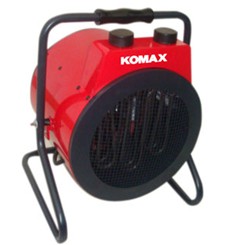
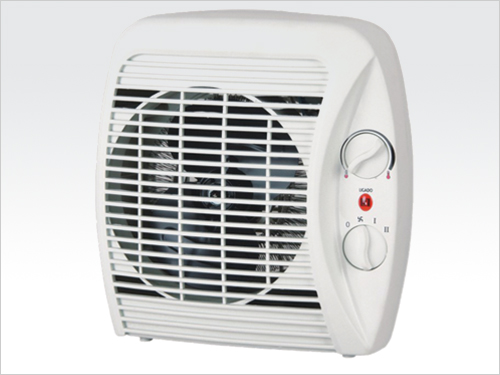
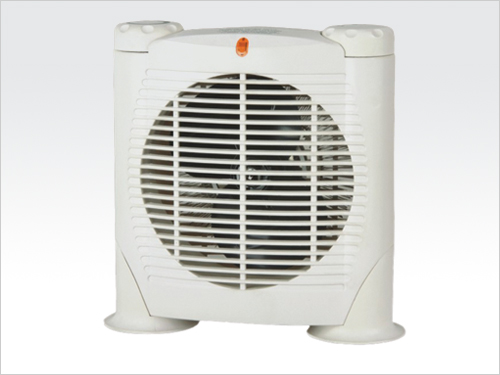
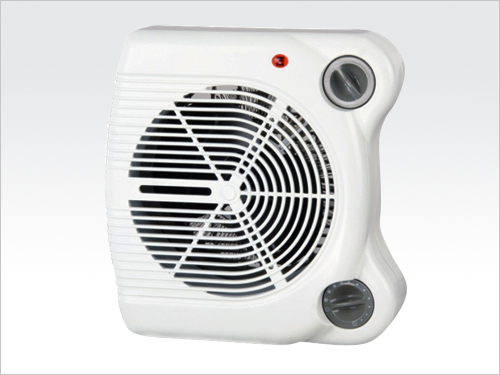
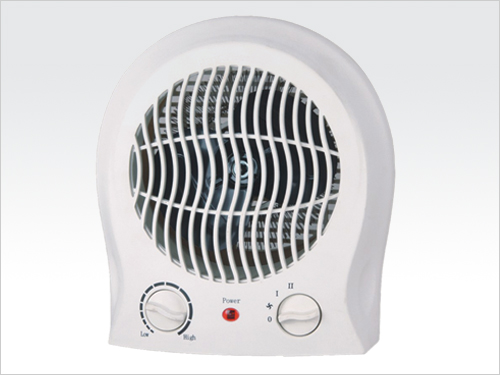
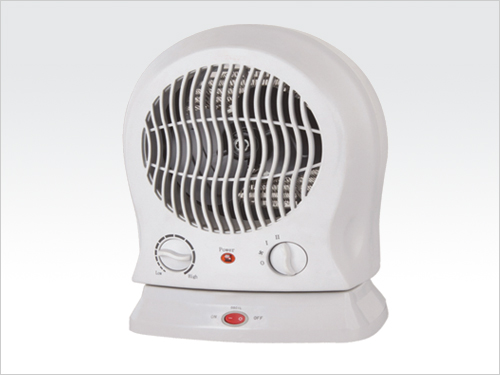
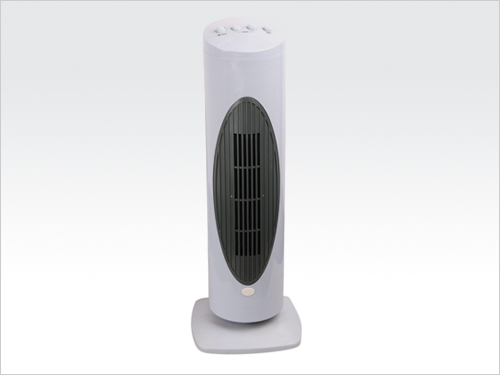
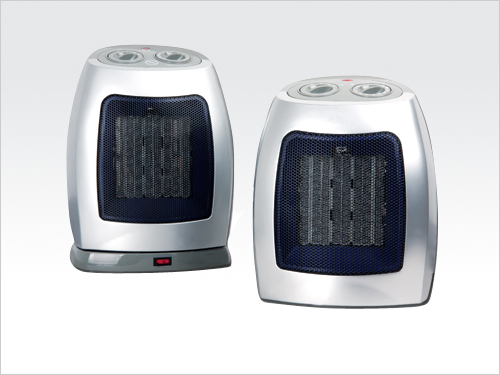
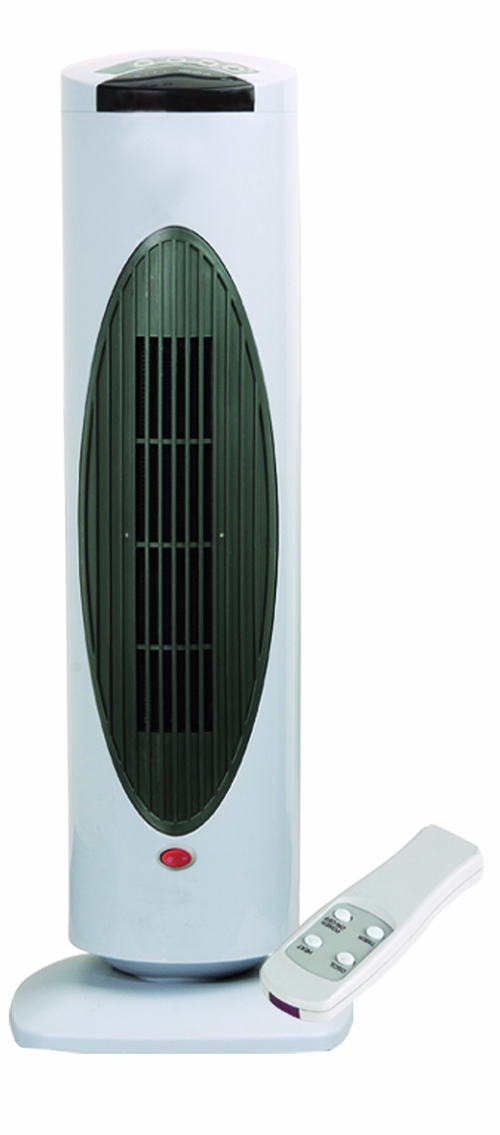
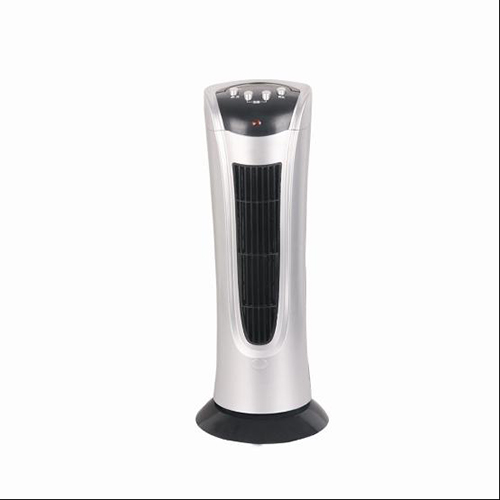
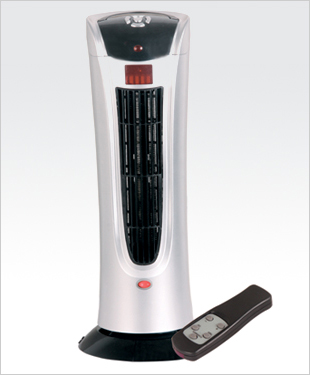
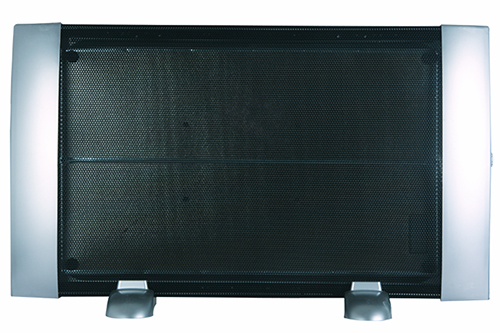
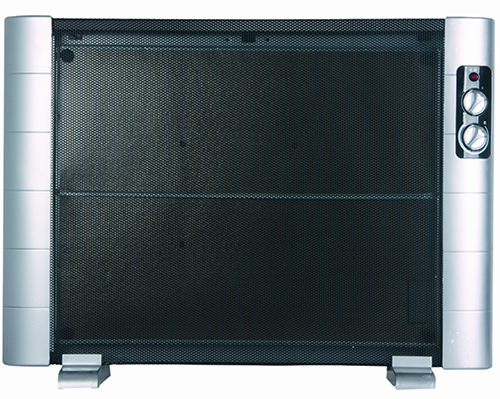
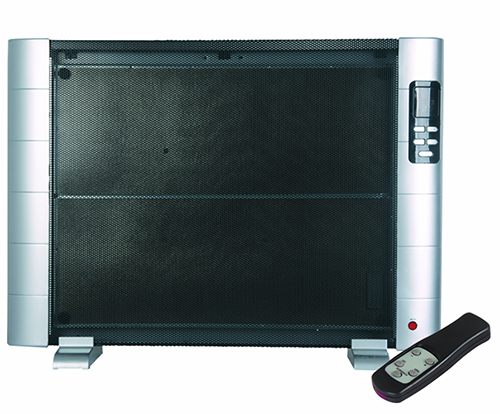
Electric Heaters
Source reliable Electric Heaters from vetted manufacturers and suppliers in Asia. Built for importers, wholesale distributors, and appliance brands requiring high-volume OEM or private-label production. Secure competitive bulk pricing and ensure strict market compliance for every shipment.
Sourcing electric heaters at scale requires strict adherence to electrical safety standards and thermal performance metrics. The core challenge for volume buyers lies in verifying that a manufacturer's bill of materials (BOM) matches the certified prototype, particularly concerning flame-retardant plastics, reliable thermal cutoffs, and consistent heating element performance.
Critical Specifications & Component Selection
When evaluating a factory's off-the-shelf designs or developing a custom unit, the choice of heating element dictates the product's efficiency, cost, and target market.
| Element Type | Heating Method | Typical Application | Cost Profile |
|---|---|---|---|
| PTC Ceramic | Convection / Fan-forced | Space heaters, desktop units | Medium |
| Quartz / Halogen | Radiant / Infrared | Outdoor, drafty workshops | Low to Medium |
| Mica Thermic | Radiant + Convection | Silent room heating, panel heaters | High |
Beyond the heating element, safety components are non-negotiable. Substandard suppliers often substitute high-grade thermal fuses for cheaper alternatives after the initial sample is approved. Ensure your specification sheet explicitly details:
- Thermal Cutoffs: Must be rated for the correct maximum operating temperature (usually 120 to 150 degrees Celsius, depending on the design).
- Tip-Over Switches: Electronic pendulum switches offer better reliability than basic mechanical spring switches, which can stick over time.
- Housing Materials: All plastics near the heating element or electrical junctions must be V0-rated flame retardant (typically ABS or PC/ABS blends).
Need help verifying a factory's BOM and ensuring component consistency across production runs?
Talk to our teamManufacturing Quality & Compliance
Electric heaters are high-risk electrical appliances. Navigating the regulatory landscape requires rigorous Compliance & Testing before mass production begins. For the US market, UL 1278 or ETL certification is standard; for Europe, CE (LVD/EMC) and RoHS are mandatory.
Quality is won or lost on the assembly line and in the testing lab. A robust factory will have automated or semi-automated stations for critical electrical safety checks.
Essential In-Line Factory Tests
- Hi-Pot (High Potential) Testing: Verifies electrical insulation and ensures no current leakage.
- Earth Continuity Testing: Mandatory for Class I appliances with a grounding pin.
- Power Consumption Test: Ensures the unit draws the specified wattage (typically within a 5 percent tolerance).
- Blocked Airflow / Abnormal Operation Test: Simulates a covered heater to verify the thermal fuse trips safely.
Conducting comprehensive Factory Audits is crucial. You must confirm the supplier actually owns the necessary testing equipment (like hi-pot testers and thermal imaging cameras) and maintains proper ISO 9001 quality management systems, rather than simply relying on third-party labs for occasional batch testing.
OEM/ODM Customization & Smart Integration
Many brands are upgrading standard heaters with smart capabilities (Wi-Fi connectivity, Tuya integration, voice control). If you are pursuing custom designs, leveraging professional OEM/ODM Services allows you to integrate smart modules without compromising the appliance's core safety certifications.
Custom Molding vs. White-Labeling Existing Designs
Advantages
- Custom Molding: Total control over brand identity and aesthetic.
- Custom Molding: Ability to engineer specific internal airflow for lower noise.
- White-Labeling: Zero tooling costs and faster time to market.
- White-Labeling: Existing models often already hold required safety certifications.
Disadvantages
- Custom Molding: High upfront injection mold costs (often exceeding $15,000).
- Custom Molding: Requires entirely new certification testing, adding months to lead times.
- White-Labeling: Limited differentiation from competitors sourcing from the same factory.
- White-Labeling: Forced to accept the factory's existing internal component layout.
Sourcing Mechanics: Pricing, MOQs, and Lead Times
Pricing for electric heaters fluctuates based on copper prices (for motors and wiring), aluminum prices (for heating elements), and the cost of smart IC chips.
Buyers should anticipate higher MOQs (often 3,000+ units) if requesting custom plastic colors (Pantone matching) or specialized heating elements, as the factory must meet the minimum order quantities of their raw material sub-suppliers.
Looking to optimize your supply chain and secure competitive pricing for your next heating appliance order?
Get a free consultationFrequently Asked Questions
Successfully sourcing electric heaters requires balancing aggressive cost targets with uncompromising electrical safety. By partnering with vetted manufacturers who maintain strict in-house testing protocols, you protect your brand from costly recalls and ensure reliable performance season after season.
Get Sourcing Help for Electric Heaters
Tell us your requirements and our experts will connect you with verified manufacturers.