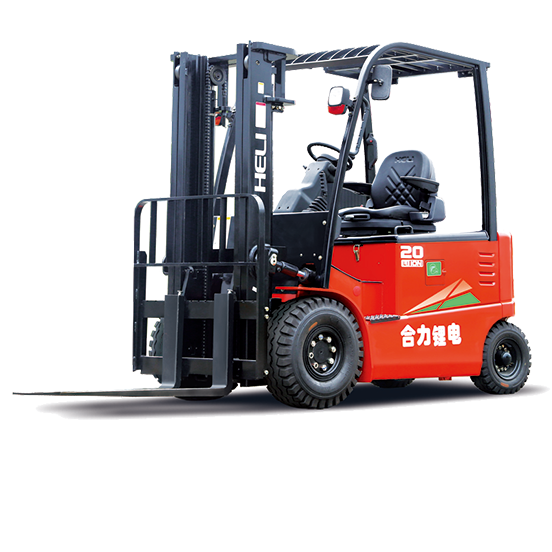
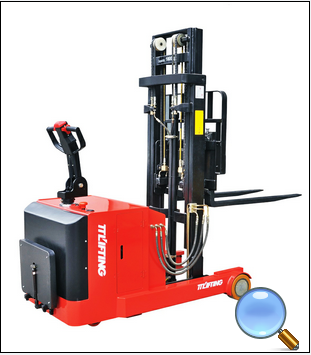
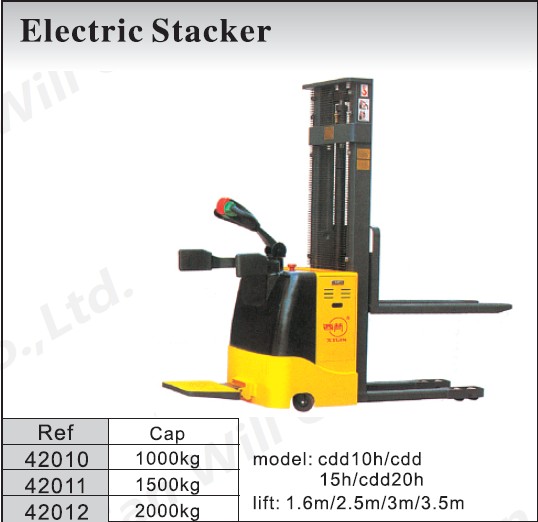
Electric Forklifts
Source industrial-grade electric forklifts directly from vetted manufacturers and wholesale suppliers. Built for importers, equipment distributors, and fleet procurement managers, our network offers reliable OEM/ODM production, competitive bulk pricing, and strict quality control for your material handling needs.
Sourcing electric forklifts at scale requires balancing upfront unit cost with long-term operational uptime. The global shift toward zero-emission material handling has rapidly expanded the manufacturing base in Asia. However, distinguishing a top-tier manufacturer from a low-tier assembler using rebuilt components is a significant challenge. Success depends on specifying the right core components, verifying assembly standards, and ensuring strict pre-shipment load testing.
Core Specifications and Component Selection
An electric forklift is only as reliable as its internal architecture. When negotiating with factories, you must dictate the origin and brand of critical components. Leaving these open to the manufacturer's interpretation often results in budget substitutions that fail under heavy cycle times.
| System | Standard/Budget Spec | Premium / High-Cycle Spec |
|---|---|---|
| Traction & Pump Motors | DC Motors (Requires brush maintenance) | Dual AC Motors (Maintenance-free, higher torque) |
| Controller Unit | Domestic Chinese brand | Curtis (US) or Zapi (Italy) |
| Hydraulic Seals | Standard domestic NBR | NOK (Japan) or equivalent premium seals |
| Mast Steel | Standard C-channel | German Krupp steel or high-tensile equivalent |
The Battery Technology Shift
The industry is moving aggressively from traditional lead-acid to Lithium Iron Phosphate (LiFePO4) batteries. While lithium units carry a higher initial cost, they allow for opportunity charging and eliminate the need for dedicated battery maintenance rooms. When sourcing lithium-powered units, verify the Battery Management System (BMS) protocol and ensure the charger voltage matches your destination market's grid requirements (e.g., 220V single-phase vs. 480V three-phase).
Need help auditing a manufacturer's component supply chain? Let our engineers verify their technical capabilities.
Talk to our teamManufacturing Quality and Factory Floor Risks
Assembling a forklift involves heavy fabrication, precise hydraulic routing, and complex electrical integration. Quality is won or lost long before the final coat of paint.
Critical Inspection Points During Production
- Mast Welding Integrity: Check for porosity or undercutting on the mast channels and carriage assemblies.
- Hydraulic Cleanliness: Ensure hoses and cylinders are flushed prior to assembly to prevent metal shavings from destroying the pump.
- Counterweight Casting: Verify the counterweight mass matches the specified load center rating (typically 500mm).
- Wiring Harness Routing: Cables must be shielded and routed away from pinch points in the articulation joints.
Relying solely on a finished-product photo is risky. Executing thorough Factory Audits before placing a deposit ensures the supplier has the actual machining and testing infrastructure required, rather than just an assembly line. Furthermore, rigorous Quality Control & Inspection prior to shipment should include a dynamic load test at 110 percent of the rated capacity to verify hydraulic relief valve settings and mast deflection limits.
Pricing, MOQs, and Lead Times
Pricing for electric forklifts is highly variable based on capacity (e.g., 1.5-ton vs. 5.0-ton), lift height, mast type (simplex vs. triplex with full free lift), and battery chemistry.
- Minimum Order Quantities (MOQs): Standard configurations can often be sourced with an MOQ of 1 to 2 units. However, if you require OEM/ODM Services for custom fleet colors, proprietary telematics integration, or bespoke chassis modifications, expect MOQs to start at 5 to 10 units.
- Lead Times: Standard production runs typically take 30 to 45 days. Custom configurations or periods of high component shortages (especially for imported controllers or lithium cells) can push lead times to 60 days or more.
- Shipping & Logistics: Forklifts are heavy, dense cargo. Depending on the mast height, they may fit into standard High Cube containers (often requiring the mast to be removed or collapsed) or require specialized Flat Rack shipping. Coordinating Shipping & Freight effectively is critical to avoid unexpected heavy-lift surcharges at the destination port.
Planning a fleet upgrade or stocking up for distribution? We can negotiate bulk pricing and manage the logistics end-to-end.
Get a free consultationFrequently Asked Questions
Procuring electric forklifts requires rigorous attention to technical specifications and factory-level execution. By defining exact component standards and enforcing strict pre-shipment load testing, you can secure reliable, high-performance equipment that protects your margins and your operational uptime.
Get Sourcing Help for Electric Forklifts
Tell us your requirements and our experts will connect you with verified manufacturers.