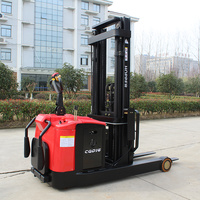
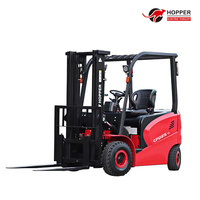
Electric fork-lift Trucks
Source Electric fork-lift Trucks in bulk from vetted manufacturers and wholesale suppliers across Asia. Built for importers, distributors, and procurement managers, our network offers high-capacity, energy-efficient electric forklifts for warehousing and industrial applications with full OEM customization options.
Sourcing electric forklift trucks requires balancing upfront capital costs against long-term operational reliability. The transition from internal combustion to electric powertrains means commercial buyers must now evaluate battery chemistry, motor controller integration, and hydraulic system efficiency alongside traditional structural integrity. Securing a reliable supply chain for these industrial vehicles demands a rigorous approach to component specification and factory validation.
Critical Specifications & Powertrain Selection
The core of any electric forklift is its powertrain and energy storage system. When negotiating with manufacturers, the specifications of these components dictate not only the unit price but the total cost of ownership and maintenance intervals.
Most top-tier factories allow you to specify the brand of the motor controller. Globally recognized controllers like Curtis (US) or ZAPI (Italy) are standard upgrades that ensure easier diagnostics and parts availability in your local market. For the motors themselves, AC drive and AC pump motors are now the industry standard, offering maintenance-free operation compared to older DC motors.
The most significant decision is the battery technology. While lead-acid remains common for budget-conscious sourcing, Lithium Iron Phosphate (LiFePO4) is rapidly becoming the standard for high-utilization fleets.
| Technology | Initial Cost | Maintenance | Charging Cycle |
|---|---|---|---|
| Lead-Acid | Lower baseline cost | High (Regular watering required) | 8-12 hours (Requires battery swapping for shifts) |
| Lithium-Ion (LiFePO4) | 15-30% premium | Zero-maintenance | 1-2 hours (Supports opportunity charging) |
Navigating controller options and battery configurations? Let our experts match your operational requirements with vetted forklift manufacturers.
Talk to our teamManufacturing Standards & Quality Control
A forklift's structural integrity is paramount. The mast is typically constructed from high-grade steel (such as German Krupp steel or equivalent Chinese Q345/Q460 grades). The quality of the mast channels and the precision of the automated welding determine whether the mast will warp under heavy, repetitive loads at maximum extension.
Because industrial vehicles involve complex electrical and hydraulic systems, relying on a supplier's internal QC is risky. Conducting independent Factory Audits is essential to verify a manufacturer's welding automation, testing facilities, and ISO certifications before placing an order.
During production, strict Quality Control & Inspection protocols must be enforced prior to container loading.
Pre-Shipment Inspection Priorities
- Rated load capacity tests at maximum mast extension to verify stability.
- Hydraulic pressure retention and micro-leak checks on all cylinders and hoses.
- Controller diagnostics, ensuring all parameters are correctly set and fault codes are clear.
- Battery discharge rate verification under sustained load.
- Verification of safety interlocks, including seat sensors and emergency power disconnects.
Sourcing Realities: MOQs, Pricing, and Lead Times
Pricing for electric forklifts is highly variable and depends heavily on the rated load capacity (typically ranging from 1.5 to 5 tons), the maximum lift height (standard 3 meters vs. 6+ meter triplex masts), and the brand of the internal components.
Because these are high-value capital goods, Minimum Order Quantities (MOQs) are generally low, making them accessible for pilot testing before fleet-wide deployment.
Shipping industrial machinery requires specialized logistics. Depending on the volume and destination, containerized shipping (often requiring the mast to be detached for clearance) or Roll-on/Roll-off (RoRo) vessels may be utilized. Coordinating this heavy freight and managing the associated customs documentation is a critical phase where expert Shipping & Freight management prevents costly port delays.
Need accurate landed costs? We manage the end-to-end sourcing, compliance, and heavy freight logistics for industrial vehicles.
Get a free consultationFrequently Asked Questions
Sourcing electric forklift trucks is ultimately about securing operational uptime. A heavily discounted unit with proprietary, unrepairable electronics will cost significantly more in downtime and maintenance than a properly specified forklift built with standardized, globally supported components. Success in this category requires strict supplier vetting, clear technical specifications, and rigorous pre-shipment testing.
Get Sourcing Help for Electric fork-lift Trucks
Tell us your requirements and our experts will connect you with verified manufacturers.