Electric Food Steamers
Source bulk Electric Food Steamers from vetted manufacturers and wholesale suppliers across Asia. Designed for importers, distributors, and appliance brands, our network supports high-volume procurement, private labeling, and custom OEM/ODM production. Secure reliable manufacturing partners for your next kitchen appliance line.
Sourcing electric food steamers at volume requires a careful balance of heating efficiency, food-grade material safety, and strict electrical compliance. For appliance brands and distributors, the factory floor is where product longevity and brand reputation are decided. Navigating the hundreds of small appliance manufacturers in hubs like Guangdong means distinguishing between assembly workshops and mature factories with robust engineering capabilities.
Engineering and Material Specifications
The core of any electric food steamer is its heating assembly and the materials used in the steaming baskets. Buyers must specify these components clearly to avoid default downgrades by the factory, which often result in poor thermal performance or compliance failures.
| Market Tier | Basket Material | Heating Element | Typical Lifespan |
|---|---|---|---|
| Entry-Level | Standard Polypropylene (PP) | Exposed Aluminum Tube | 1 to 2 Years |
| Mid-Range | Tritan / BPA-Free Plastics | Concealed Stainless Steel | 3 to 5 Years |
| Premium | Borosilicate Glass / 304 SS | Rapid-Boil Die-Cast SS | 5+ Years |
Heating Elements and Thermostats
The heating element dictates the "time to steam," a critical metric for end-user satisfaction. Premium units achieve steam generation in under 30 seconds using rapid-boil technology. Equally important is the thermostat and thermal fuse assembly. Reliable dry-boil protection is non-negotiable; specifying established component brands (like Strix or Jiatai) for the thermal controller drastically reduces the risk of electrical failure and warranty claims.
Struggling to verify component quality across different suppliers? Let us handle the technical vetting.
Consult our sourcing teamQuality Control and Compliance Standards
Because these appliances combine water, heat, and electricity while directly contacting food, they are subject to rigorous regulatory scrutiny. Navigating Compliance & Testing requires confirming that the factory's certifications match the exact bill of materials (BOM) being used for your production run, not just a "golden sample."
Critical Inspection Points for Food Steamers
- Food Contact Safety: Verify FDA or LFGB compliance for all plastics, silicones, and metals touching food or steam.
- Electrical Safety: Ensure CE, RoHS, UL, or ETL certifications are valid and specific to the model.
- Dry-Boil Testing: Rigorous in-line testing of the thermal fuse to ensure the unit shuts off safely when water is depleted.
- Seal Integrity: Check silicone gaskets and drip trays to prevent boiling water leakage into the electrical housing.
- Drop & Transit Testing: Ensure brittle materials like glass or hard plastics survive standard ISTA drop tests.
If a supplier changes the plastic resin supplier mid-production to save costs, your LFGB certification may instantly become invalid. Implementing strict Quality Control & Inspection protocols before assembly and prior to shipment is the only reliable way to prevent non-compliant goods from leaving the factory.
Manufacturing Hubs and Customization
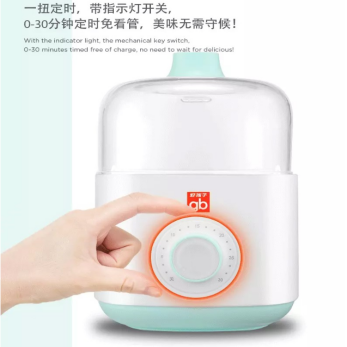
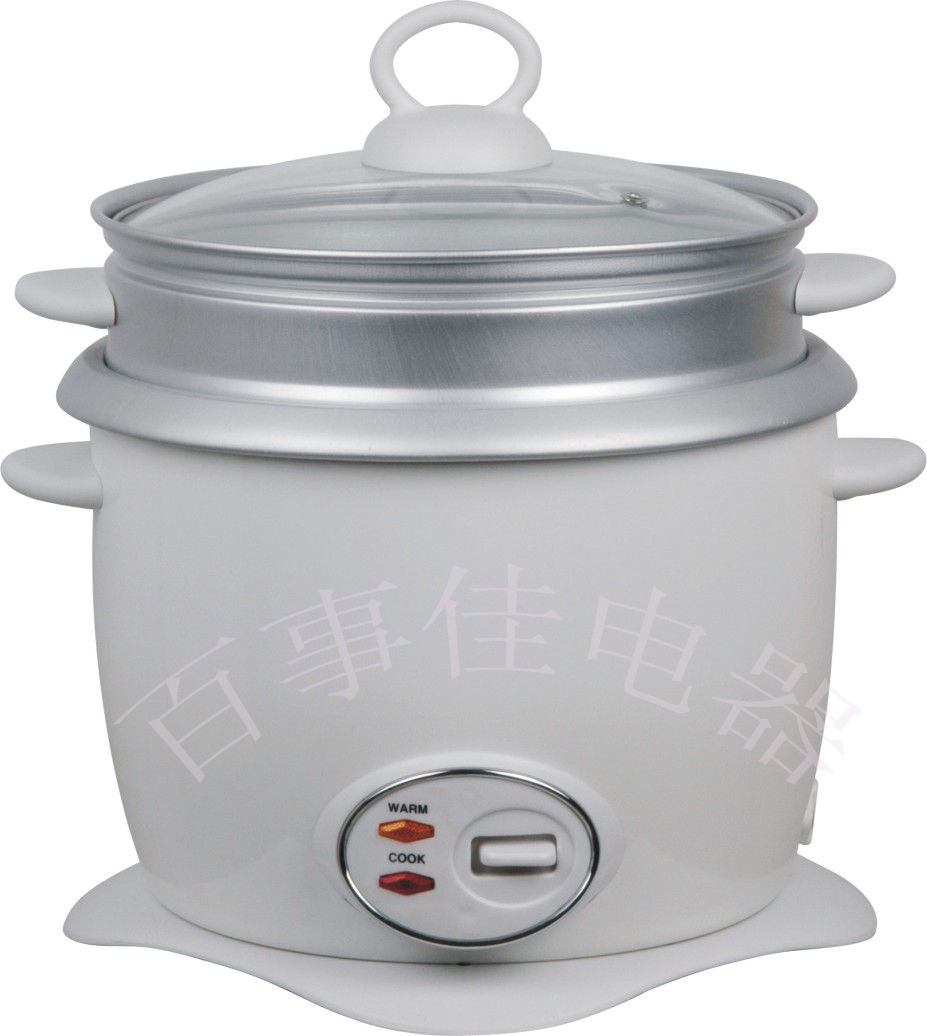
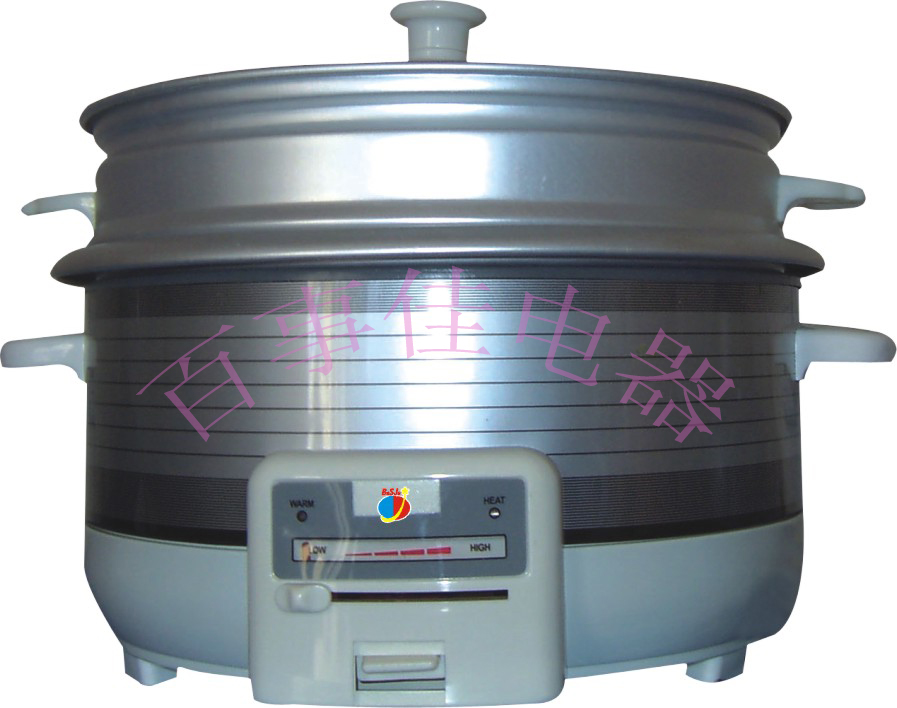
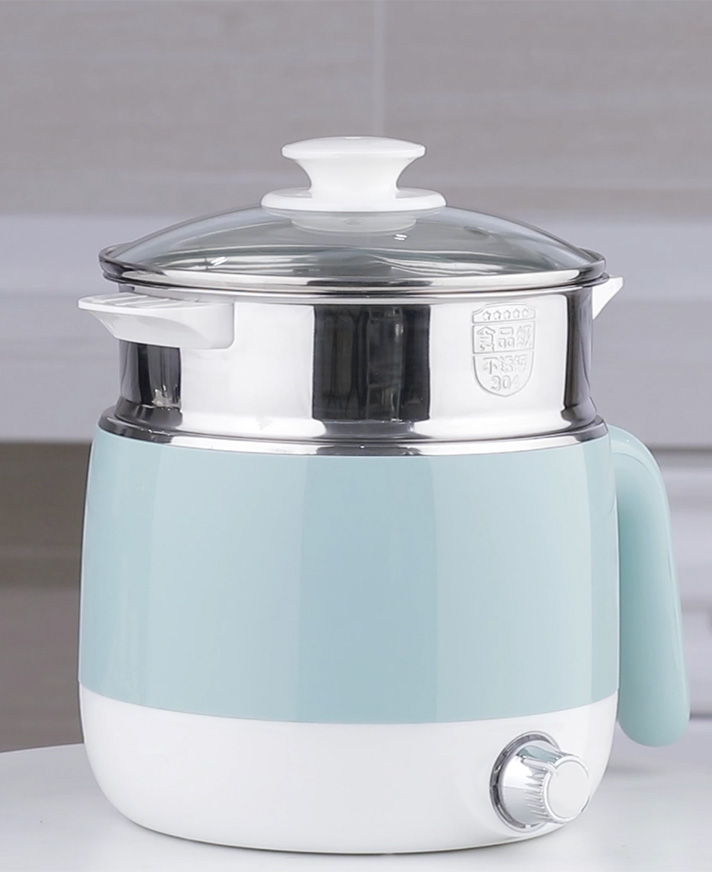
The vast majority of electric food steamers are manufactured in Guangdong province, specifically in Shunde and Zhongshan—the global capitals of small kitchen appliances. Factories here offer extensive OEM/ODM Services, allowing buyers to customize control panels (mechanical dials vs. digital touchscreens), basket configurations, and housing finishes.
When developing a custom ODM product, pay close attention to tooling costs for custom basket shapes. Injection molds for multi-tier Tritan baskets can be a significant upfront investment, so ensuring the factory has in-house tooling capabilities can streamline the process and protect your intellectual property.
Typical Pricing, MOQs, and Lead Times
Understanding the baseline economics of steamer manufacturing helps in negotiating realistic contracts and planning your cash flow.
Unit costs vary aggressively based on materials. A basic 2-tier PP steamer with a mechanical timer might cost between $8.50 and $12.00 FOB. Upgrading to digital controls, Tritan plastics, or glass baskets pushes the unit cost into the $18.00 to $35.00 range.
Need accurate pricing and factory matching for your specific steamer design?
Discuss your procurement needsSourcing electric food steamers requires vigilance at the component level. By specifying the right heating elements, enforcing strict material compliance, and actively managing the quality control process, buyers can secure reliable products that build brand trust. Having experienced professionals on the ground ensures your specifications translate into reality on the production line.
Get Sourcing Help for Electric Food Steamers
Tell us your requirements and our experts will connect you with verified manufacturers.