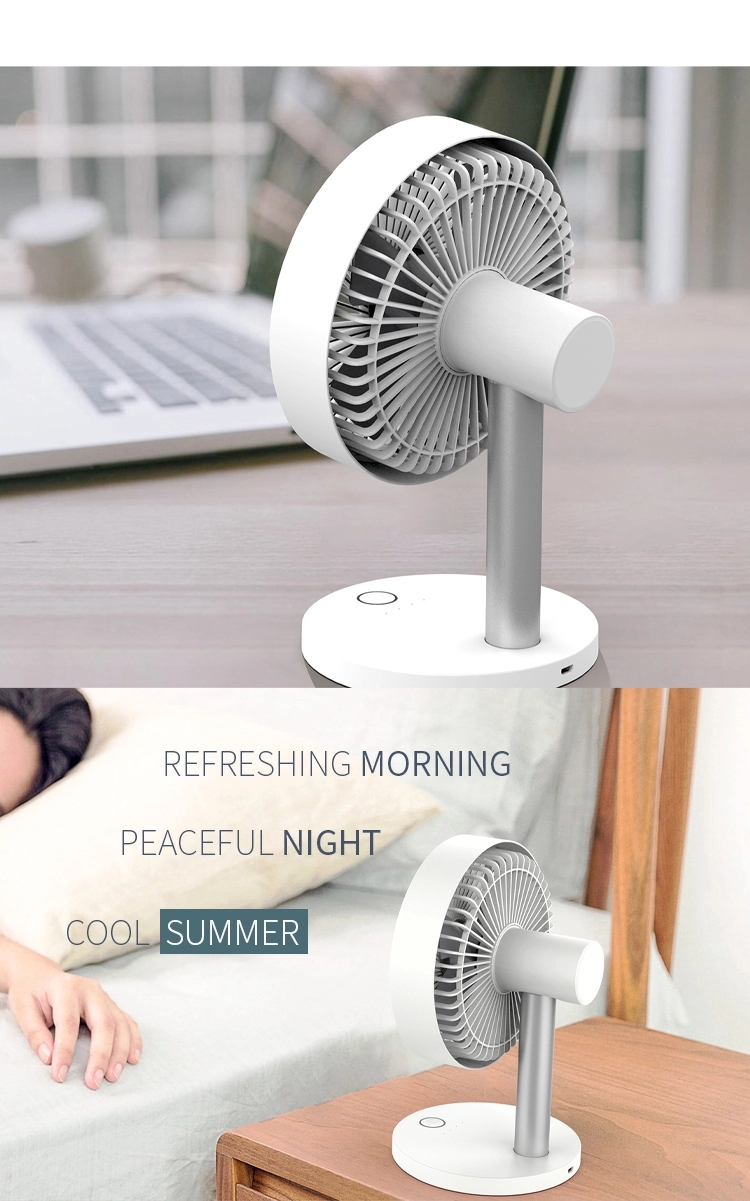
Electric Fans
Source commercial and residential electric fans from vetted manufacturers and suppliers in Asia. Designed for importers, national distributors, and home appliance brands looking for reliable wholesale purchasing or custom OEM/private-label production at scale.
Sourcing electric fans at volume requires balancing strict safety compliance with aggressive unit costs. The primary challenge lies beneath the plastic housing: motor construction, winding materials, and component longevity dictate whether a batch will drive profitable repeat business or trigger costly returns. For serious buyers, success depends on verifying factory capabilities and locking down technical specifications before production begins.
Motor Specifications: The Core Cost Driver
The motor accounts for the largest percentage of the unit cost and determines the fan's lifespan, energy efficiency, and noise levels. When negotiating with manufacturers, you must explicitly define the motor type and the winding materials.
Many lower-tier factories will default to Copper-Clad Aluminum (CCA) windings to reduce costs. While CCA is acceptable for entry-level, price-sensitive markets, pure copper windings are mandatory for premium models requiring durability and better thermal performance.
| Motor Type | Winding Material | Efficiency | Cost Profile | Typical Application |
|---|---|---|---|---|
| Standard AC | CCA or Pure Copper | Moderate | Low to Medium | Basic household fans |
| DC Motor | Pure Copper | High (up to 70% energy savings) | Medium to High | Energy-efficient, quiet residential fans |
| BLDC (Brushless DC) | Pure Copper | Very High | Premium | High-end smart fans, commercial ventilation |
Need help verifying motor specifications and auditing supplier capabilities before placing a volume order?
Talk to our teamManufacturing Tolerances and Material Selection
Beyond the motor, the quality of the plastics and the precision of the assembly line separate reliable suppliers from the rest.
- Housing and Blade Materials: High-quality fans use virgin Polypropylene (PP) or Acrylonitrile Butadiene Styrene (ABS) for impact resistance and color stability. Cheaper units often mix in recycled plastics, leading to brittle components and rapid discoloration under UV exposure.
- Blade Balancing: Unbalanced blades cause excessive vibration, leading to premature motor bearing failure and unacceptable noise levels. Top-tier factories use automated dynamic balancing machines on the assembly line.
- Grill Density: For safety compliance, the spacing of the grill wires must prevent finger access. This is a common failure point during regulatory testing if the factory cuts corners on steel wire usage.
If you are developing a custom product line, engaging a partner for OEM/ODM services ensures that your molds are designed with the correct tolerances and material specifications from day one.
Quality Control and Safety Compliance
Electric fans are heavily regulated household appliances. Importing non-compliant units can result in customs seizures or severe liability issues.
Critical Pre-Shipment Inspection Checks
- Hipot (Dielectric Withstand) Testing to verify electrical insulation integrity.
- Earth continuity checks for metal-housed units.
- Run-in testing (typically 4 to 8 hours) to monitor motor temperature rise.
- Dynamic blade balancing and RPM verification.
- Noise level testing (measured in decibels at standardized distances).
Depending on your target market, you will need to ensure the factory holds valid certifications or arrange for independent compliance and testing. Key standards include UL 507 for the North American market and IEC/EN 60335-2-80 for Europe. Implementing strict quality control protocols at the factory level prevents defective batches from ever loading onto a vessel.
Buying Mechanics: MOQs, Lead Times, and Pricing
Electric fans are high-volume, low-margin goods that are highly sensitive to freight costs. Because they take up significant physical space, purchasing is almost entirely calculated by container load.
Pricing is heavily influenced by raw material costs (specifically copper and steel) and currency fluctuations. When negotiating, always request a detailed Bill of Materials (BOM) breakdown so you can see exactly where your money is going.
Looking to optimize your supply chain and negotiate better terms with reliable fan manufacturers?
Get a free consultationFrequently Asked Questions
Sourcing electric fans successfully means looking past the cosmetic design and rigorously verifying the internal components. By partnering with vetted manufacturers and enforcing strict quality standards, you can build a reliable, profitable product line that stands up to heavy daily use.
Get Sourcing Help for Electric Fans
Tell us your requirements and our experts will connect you with verified manufacturers.