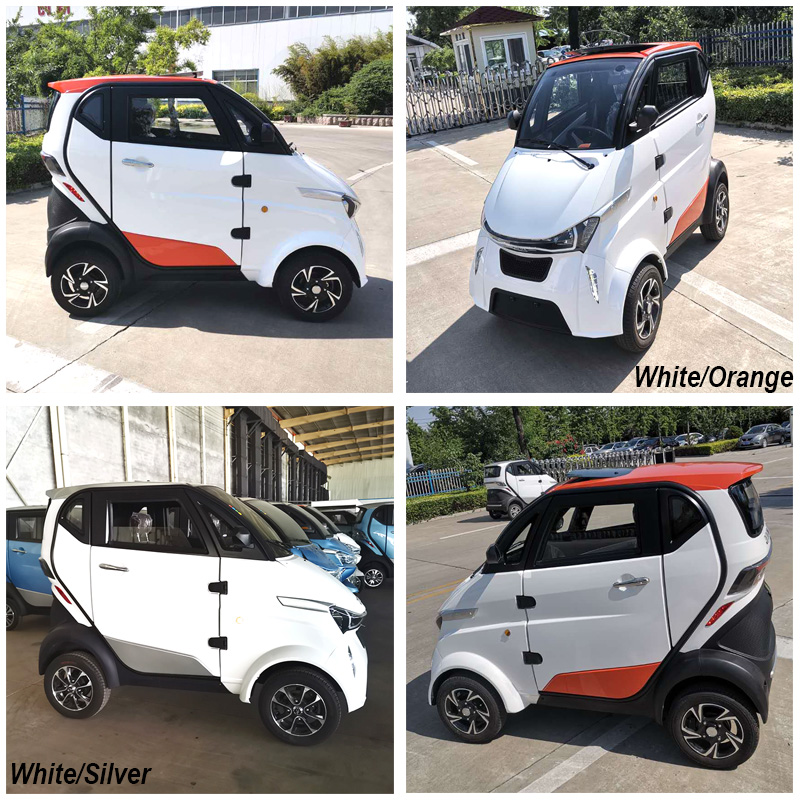
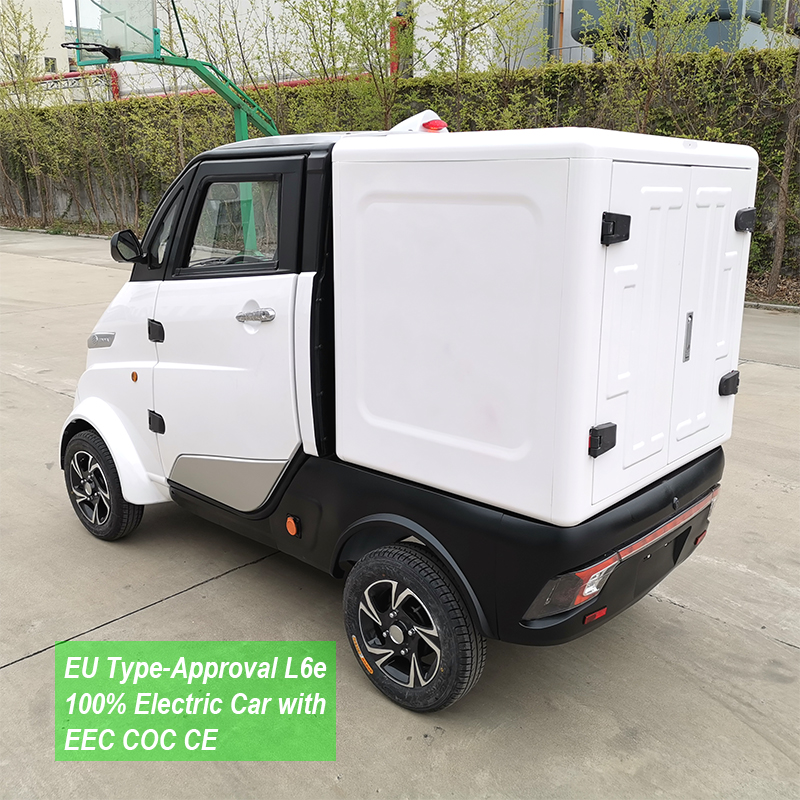
Electric Cars
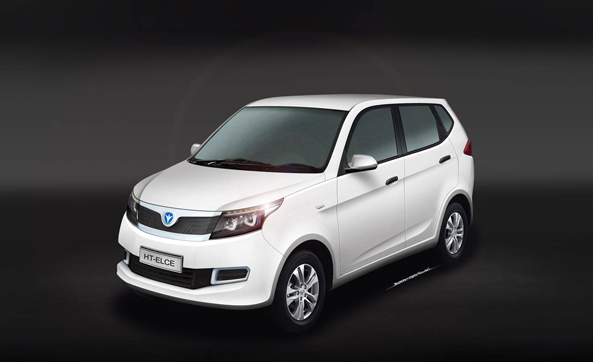
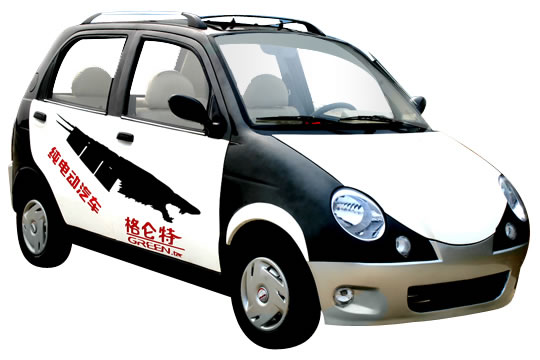
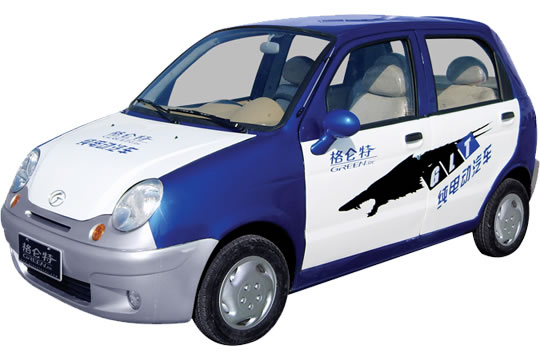
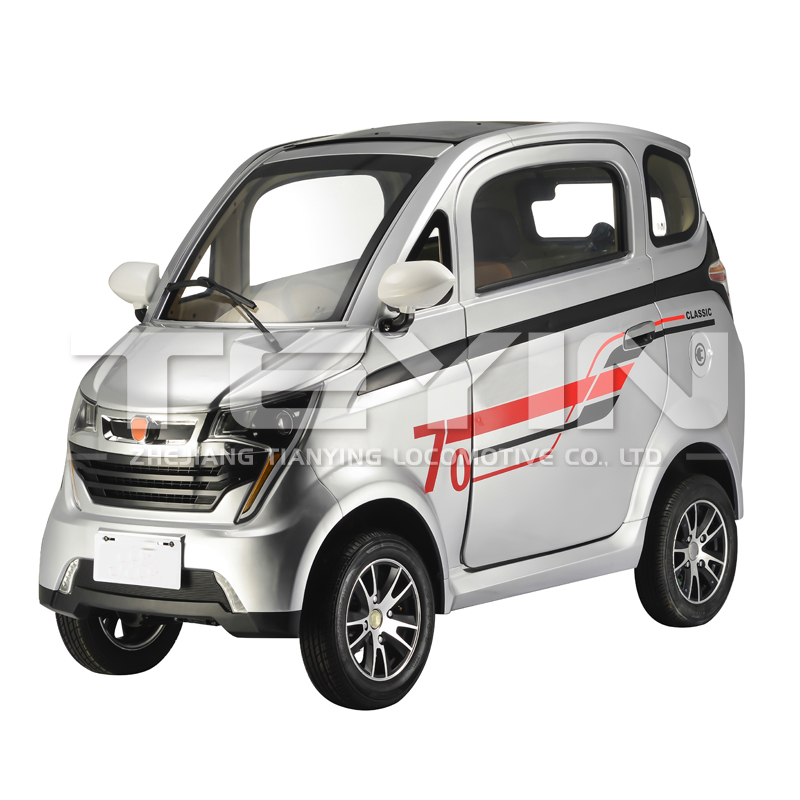
Source wholesale Electric Cars from vetted manufacturers and suppliers in Asia. Designed for importers, automotive distributors, fleet procurement managers, and brands seeking OEM/ODM production. Secure competitive bulk pricing and reliable quality control for your commercial EV supply chain.
Sourcing electric cars (EVs) in bulk from overseas manufacturers requires more than just negotiating a favorable unit price. Commercial buyers must navigate complex homologation standards, battery chemistry specifications, and software localization requirements. Whether you are importing low-speed electric vehicles (LSEVs) for municipal fleets or highway-capable passenger cars for regional distribution, validating the factory's engineering capabilities and quality management systems is the critical first step in a successful procurement strategy.
Core Specifications & Battery Architecture
The commercial viability of an imported electric car hinges on its powertrain architecture. When engaging with manufacturers, buyers must specify the exact battery chemistry and motor configuration, as these dictate the vehicle's range, longevity, and price point.
Most Asian OEM manufacturers offer two primary lithium-ion battery chemistries. Understanding the trade-offs is essential for aligning the product with your market's climate and consumer expectations.
| Battery Chemistry | Energy Density | Thermal Stability | Typical Cycle Life |
|---|---|---|---|
| LFP (Lithium Iron Phosphate) | Moderate | Excellent | 3000+ cycles |
| NMC (Nickel Manganese Cobalt) | High | Moderate | 1500+ cycles |
Beyond the battery pack, specify the motor type. Permanent Magnet Synchronous Motors (PMSM) are the industry standard for efficiency, but you must verify the continuous versus peak power output (measured in kW) to ensure it meets local highway regulations. Additionally, always confirm which testing cycle the manufacturer uses to quote vehicle range (WLTP, NEDC, or CLTC), as CLTC figures typically overstate real-world range by 15 to 25 percent compared to WLTP.
Manufacturing Quality and Factory Validation
Automotive manufacturing leaves no room for error. A supplier might present an impressive prototype, but consistent mass production requires rigorous, standardized processes on the factory floor. Before committing to a volume order, it is imperative to conduct comprehensive Factory Audits to verify their stamping, welding, painting, and final assembly lines.
Critical EV Production Quality Checks
- Battery Pack Sealing: IP67 minimum rating verification for the battery enclosure.
- Thermal Management Systems: Testing of active liquid cooling/heating loops under load.
- Panel Alignment & Gap Tolerances: Precision measurement of chassis and body panel fitment.
- High-Voltage Harness Routing: Inspection of wiring insulation and securement to prevent chafing.
- Software Integration: Validation of the Battery Management System (BMS) and infotainment localization.
Need to verify an automotive manufacturer's production capabilities? Our engineering teams conduct rigorous on-site audits to ensure your supplier meets international automotive standards.
Discuss your sourcing strategyHomologation and Market Compliance
Importing vehicles requires strict adherence to regional homologation standards. A car built for the Chinese domestic market cannot be legally registered in Europe or North America without extensive modifications and certification.
Buyers must ensure the manufacturer holds or can achieve the necessary certifications for the target market. For Europe, this means Whole Vehicle Type Approval (WVTA) and E-mark certification for individual components (glass, tires, lights). For the US, compliance with FMVSS (Federal Motor Vehicle Safety Standards) and DOT regulations is mandatory. Navigating these regulatory frameworks often requires dedicated Compliance & Testing oversight to prevent costly customs rejections.
Buying Mechanics: Pricing, MOQ, and Logistics
Procuring electric cars differs significantly from standard consumer goods. Capital requirements are high, and logistics require specialized handling.
Freight and Shipping Considerations
Shipping fully assembled vehicles requires strategic logistics planning. For smaller orders (1 to 4 units), cars are typically shipped in standard 40-foot High Cube (40HQ) containers using specialized racking systems. For larger fleet orders, RoRo (Roll-on/Roll-off) shipping becomes more cost-effective. Given the hazardous goods classification of large lithium-ion batteries (UN3171), partnering with a specialized Shipping & Freight forwarder is essential to manage the complex documentation and insurance requirements.
Struggling with high freight costs or complex import documentation for EVs? Let us optimize your container loading and manage the end-to-end shipping process.
Talk to our logistics teamFrequently Asked Questions
Successfully importing electric cars requires a rigorous approach to supplier selection, homologation, and quality assurance. By focusing on detailed technical specifications and investing in robust pre-shipment inspections, commercial buyers can mitigate risk and build a reliable automotive supply chain.
Get Sourcing Help for Electric Cars
Tell us your requirements and our experts will connect you with verified manufacturers.