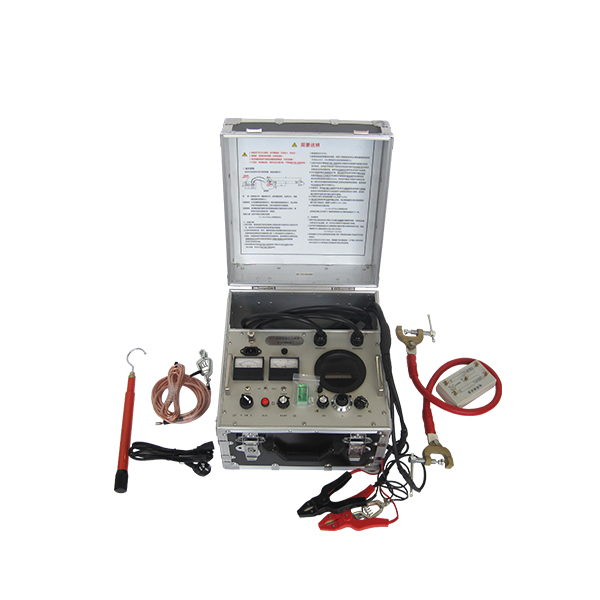
Electric Bridges
Source high-precision electric bridges from vetted manufacturers and suppliers in China and Asia. Designed for importers, distributors, and brands seeking reliable wholesale or OEM production, our network delivers laboratory-grade measurement instruments built for demanding industrial and calibration applications.
Sourcing precision electric bridges at scale requires balancing laboratory-grade accuracy with production-line durability. Whether you are importing Wheatstone, Kelvin, or advanced LCR bridge meters for distribution, or specifying OEM units for electronics manufacturing, the core challenge is securing consistent component stability and calibration across high-volume production runs.
Critical Specifications for Precision Measurement
Buyers must define strict parameters to ensure the factory uses appropriate internal reference components. A bridge is only as accurate as its internal standards and its ability to reject noise.
Essential Electric Bridge Specifications
- Measurement Accuracy: Specify base accuracy (e.g., 0.05% or 0.1%) and ensure it applies across the primary measurement range, not just a narrow sweet spot.
- Test Frequencies: For AC bridges (LCR), define the required frequency range (e.g., 50 Hz to 200 kHz, or into the MHz range for advanced models).
- Thermal Stability: Specify the temperature coefficient (ppm per degree Celsius) for internal reference resistors.
- Interfaces: Demand SCPI support and physical interfaces like RS-232, USB, or GPIB/IEEE-488 for automated test equipment (ATE) integration.
Struggling to verify factory calibration standards? Let us audit your potential suppliers and secure the right manufacturing partner.
Talk to our teamWhere Quality is Won or Lost on the Factory Floor
The difference between a reliable electric bridge and a defective one often comes down to PCB layout and component sourcing. Poorly designed boards introduce parasitic capacitance and inductance, which destroys measurement accuracy at higher frequencies.
When evaluating a manufacturer, you must verify their internal calibration capabilities. Do they use primary standard resistors and capacitors traceable to international standards? Relying on unverified factories often results in batches that drift out of spec within months. Conducting rigorous Factory Audits is essential to confirm the supplier actually possesses the climate-controlled calibration labs they claim to have.
Furthermore, implement strict Quality Control & Inspection protocols. This should include mandatory burn-in testing (typically 48 to 72 hours) to catch early component failure and thermal drift before the units leave the facility.
OEM and Customization Considerations
For brands looking to market their own line of measurement instruments, utilizing OEM/ODM Services offers a pathway to customize both hardware and firmware. Customization typically involves modifying the user interface, adding specific measurement routines, or upgrading the casing for better electromagnetic shielding. Ensure your supplier has a robust R&D team capable of modifying firmware without introducing bugs into the core measurement algorithms.
Typical MOQs, Pricing, and Lead Times
Electric bridges range from portable maintenance tools to highly accurate benchtop laboratory instruments. Pricing and Minimum Order Quantities (MOQs) scale accordingly based on the required precision and feature set.
| Instrument Tier | Typical MOQ | Est. Unit Cost (USD) | Lead Time |
|---|---|---|---|
| Portable / Handheld LCR Bridges | 200 - 500 units | $40 - $120 | 30 - 45 days |
| Standard Benchtop Bridges (0.1% accuracy) | 50 - 100 units | $150 - $400 | 45 - 60 days |
| High-Precision Lab Bridges (0.01% accuracy) | 10 - 50 units | $800 - $2,500+ | 60 - 90 days |
Need to negotiate better terms or manage a complex OEM order? We can help structure your supply chain for maximum efficiency.
Get a free consultationFrequently Asked Questions
Securing reliable electric bridges in bulk requires more than just negotiating price; it demands a deep understanding of metrology, component quality, and factory capabilities. By focusing on stringent technical specifications and verifying calibration standards at the source, you can build a resilient and profitable product line.
Get Sourcing Help for Electric Bridges
Tell us your requirements and our experts will connect you with verified manufacturers.