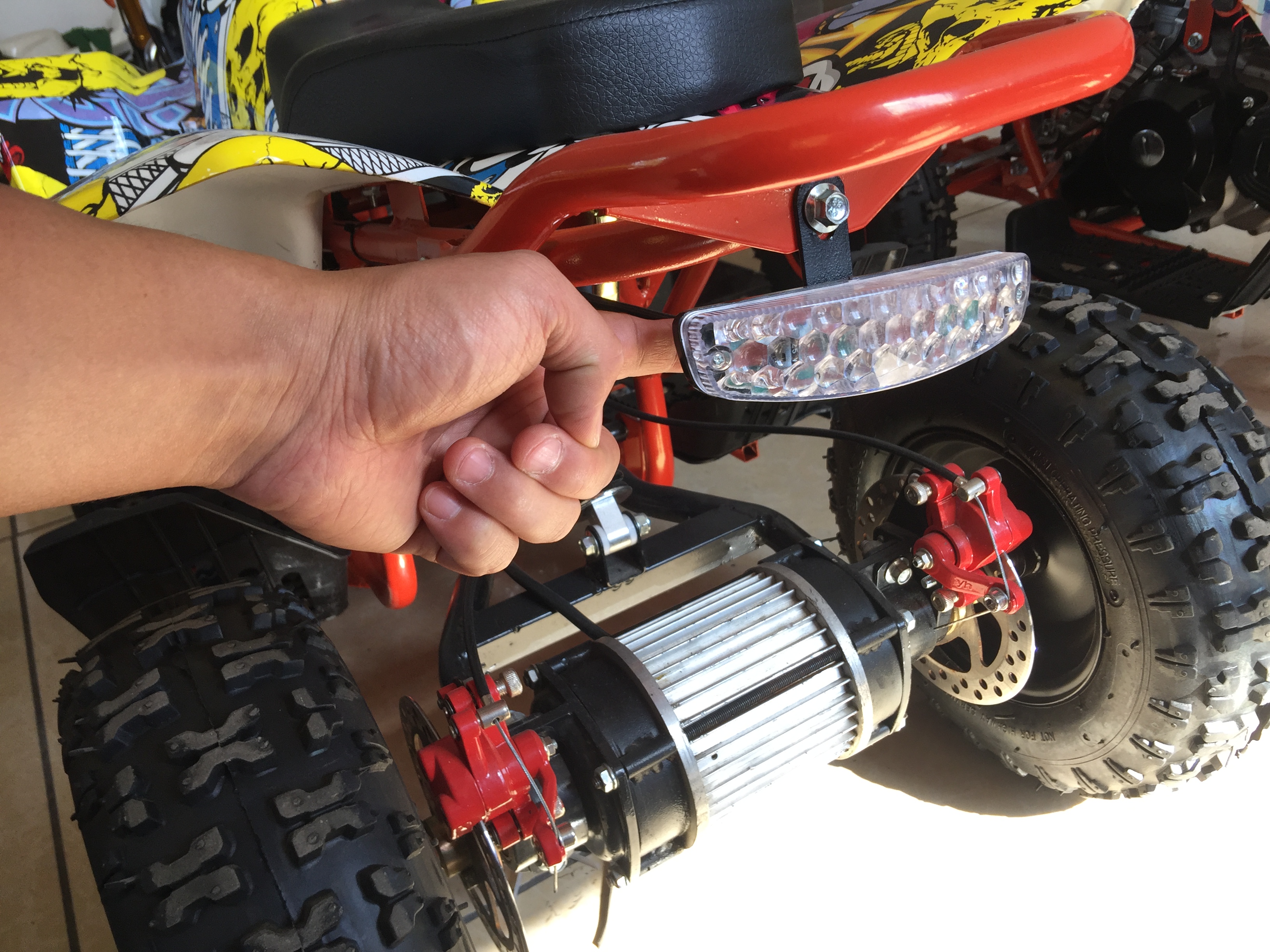
Electric ATVs
Source commercial-grade electric ATVs directly from vetted manufacturers and wholesale suppliers. Designed for importers, distributors, and brands seeking reliable OEM and private-label production, our network delivers high-performance electric all-terrain vehicles built to precise market specifications and compliance standards.
Sourcing electric ATVs requires balancing aggressive price points with stringent battery safety and motor durability requirements. The shift from internal combustion to electric drivetrains simplifies mechanical assembly but introduces complex electronic integration challenges on the factory floor. Buyers must look beyond the exterior plastics and carefully specify the core electrical components to avoid costly post-sale failures.
Specifying the Drivetrain and Power System
The performance and cost of an electric ATV are largely dictated by three components: the motor, the battery pack, and the controller. Off-the-shelf configurations often use generic components that may not survive harsh off-road conditions.
| Component | Entry-Level / Recreational | Commercial / Utility Grade |
|---|---|---|
| Motor Type | 1000W - 3000W Hub Motor | 5000W+ Mid-Drive BLDC |
| Battery Chemistry | 48V - 60V Sealed Lead-Acid (SLA) | 72V+ Lithium-ion (NMC or LiFePO4) |
| Controller | Standard Square Wave | Sine Wave (FOC) with programmable mapping |
| Drive System | Direct Hub Drive | Shaft Drive with Differential |
When defining your specifications, pay close attention to the Battery Management System (BMS). A poorly configured BMS on a lithium-ion pack can lead to over-discharge during storage or thermal events during heavy load. If you are developing a custom model, utilizing professional OEM/ODM Services ensures the motor and controller are properly matched to prevent overheating on sustained inclines.
Need help verifying a supplier's electrical engineering capabilities? Ensure your manufacturer meets strict safety and performance standards.
Talk to our teamWhere Quality is Won or Lost on the Production Line
Electric ATVs demand different quality control protocols than their gas-powered counterparts. While frame integrity remains crucial, the primary failure points in electric models are electrical and environmental.
Critical Production Checkpoints
- Wiring Harness Routing: Wires must be shielded from moving suspension parts and heat sinks.
- Connector Waterproofing: All critical connections should use IP67-rated automotive connectors (e.g., Deutsch connectors), not standard plastic clips.
- Controller Placement: Must be mounted in a location that allows for adequate airflow while remaining protected from deep water crossings.
- Frame Welding: High-tensile steel frames require continuous, uniform welds, especially around the heavy battery tray.
Catching electrical integration errors before shipping is critical. Implementing rigorous Quality Control & Inspection at the factory—including load testing the motors and verifying battery cell balance—prevents dead-on-arrival inventory.
Compliance and Battery Shipping Standards
Importing electric vehicles introduces strict regulatory and logistical hurdles, primarily centered around the battery pack and charger.
- UN38.3 Certification: Mandatory for shipping any lithium-ion battery. Without this, freight forwarders will not load your cargo.
- Charger Certifications: The included charger must meet local electrical safety standards (UL for North America, CE/LVD for Europe).
- Vehicle Homologation: Depending on your market and whether the ATV is designated for off-road or agricultural use, specific mechanical safety standards may apply.
Navigating these requirements is complex. Engaging experts for Compliance & Testing early in the sourcing process ensures your units will not be seized by customs or rejected by your distribution partners.
Sourcing Mechanics: MOQs, Pricing, and Lead Times
Electric ATV production relies heavily on the supply chain for battery cells and rare-earth magnets for motors, which can cause fluctuations in pricing and lead times.
Because the barrier to entry for assembling electric vehicles is lower than manufacturing gas engines, the market is flooded with assemblers of varying quality. Conducting thorough Factory Audits is essential to distinguish between a legitimate manufacturer with in-house engineering and a simple assembly workshop using bottom-tier components.
Optimize your unit costs and container utilization with our on-the-ground sourcing experts.
Get a free consultationBuyer FAQ
Successfully sourcing electric ATVs at scale means looking past the spec sheet and scrutinizing the factory's supply chain and quality management systems. By partnering with an experienced sourcing team, you can mitigate the risks of high-voltage manufacturing and secure reliable, high-margin inventory.
Get Sourcing Help for Electric ATVs
Tell us your requirements and our experts will connect you with verified manufacturers.