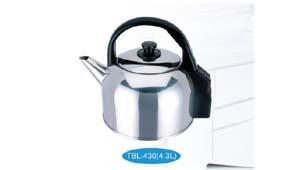
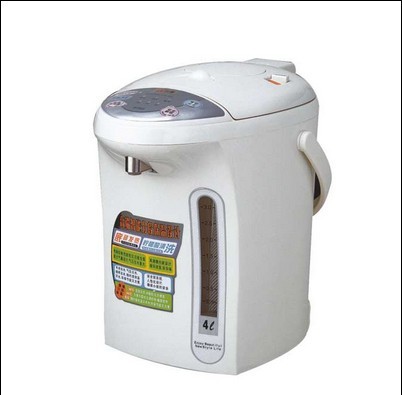
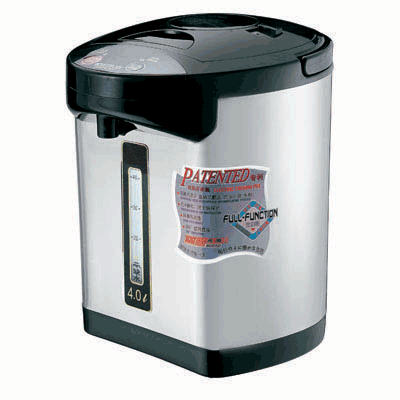
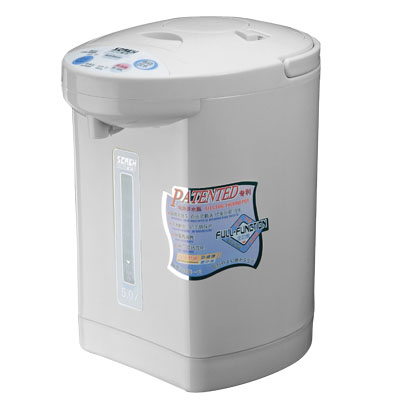
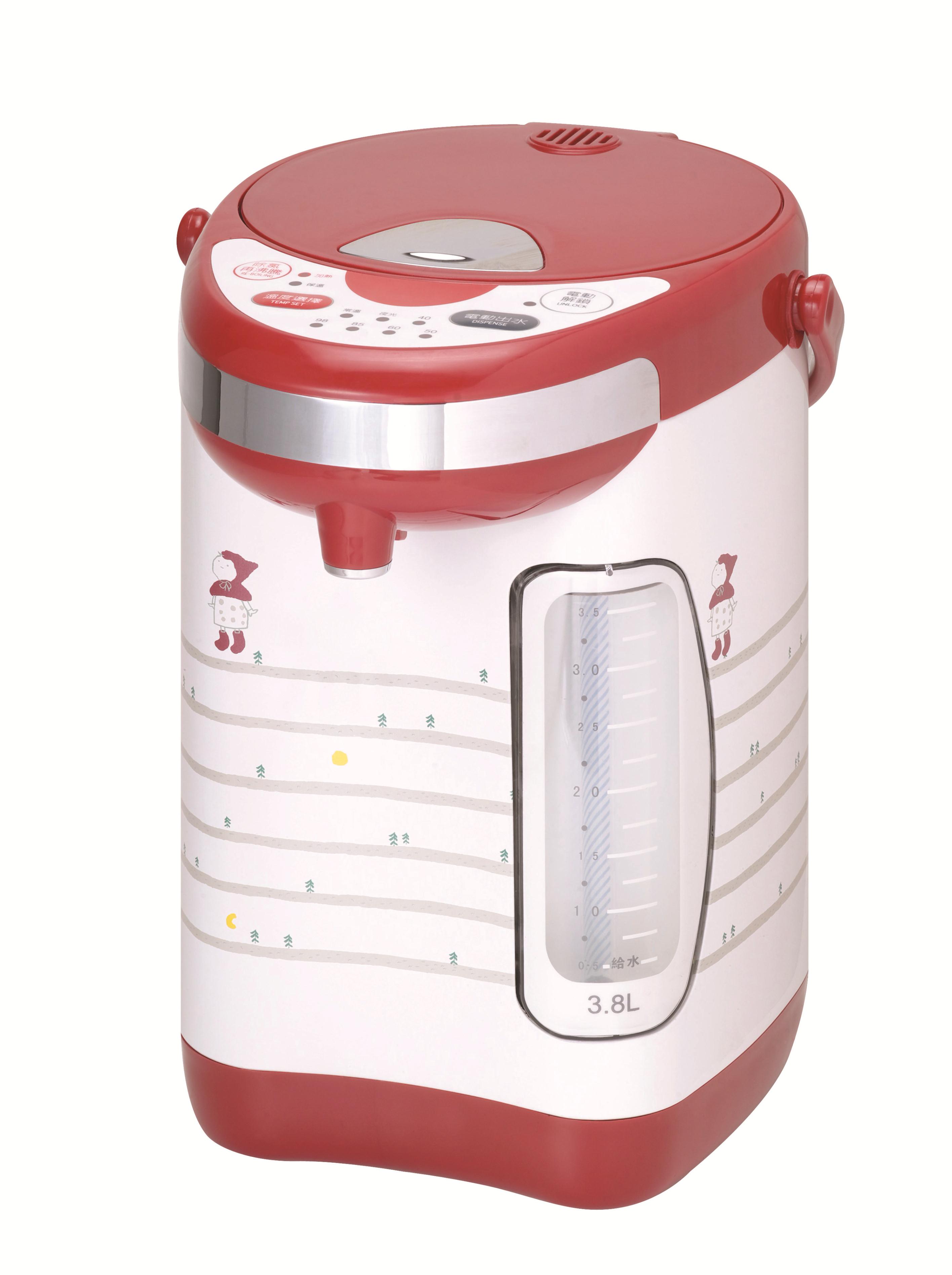
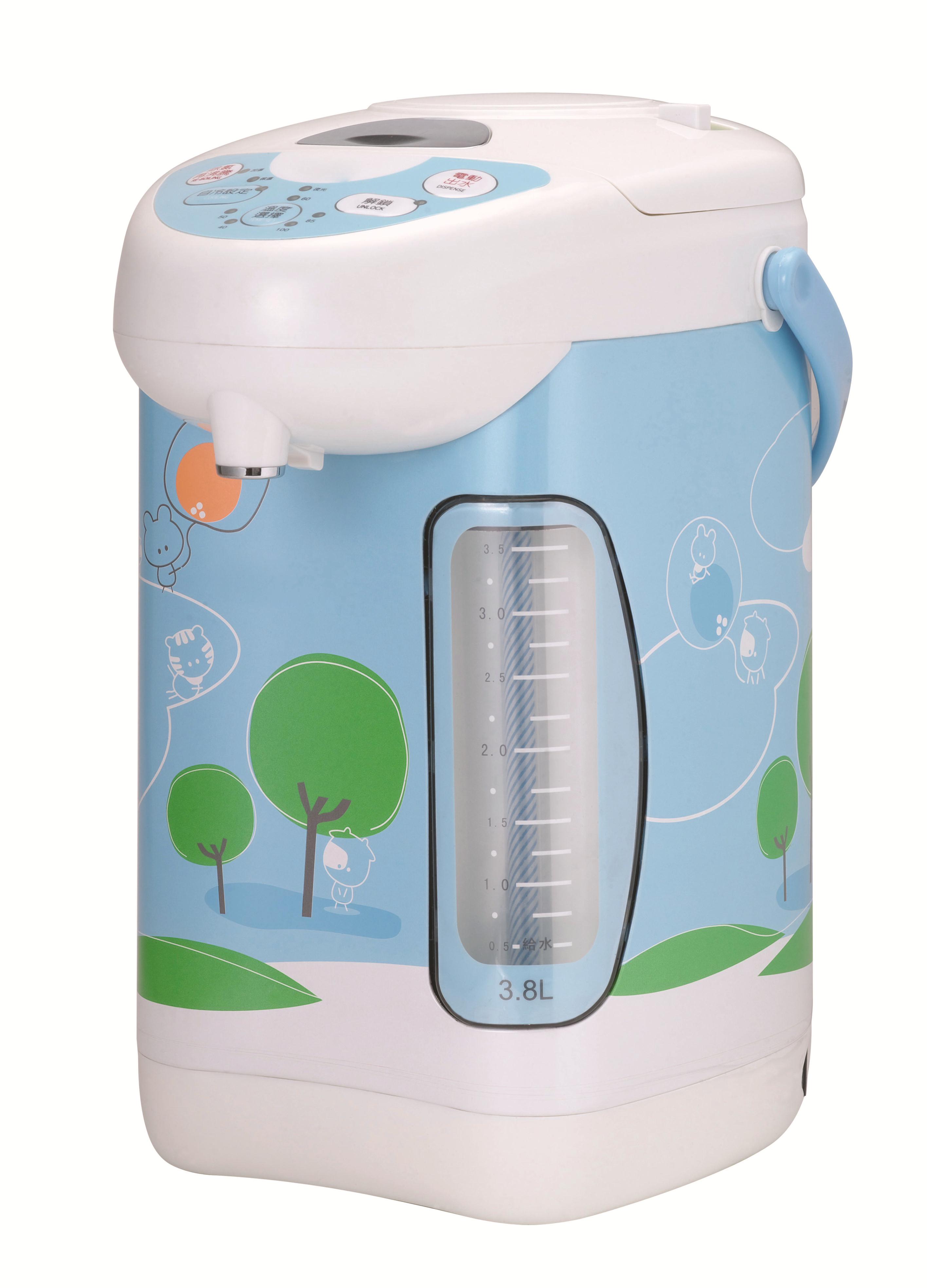
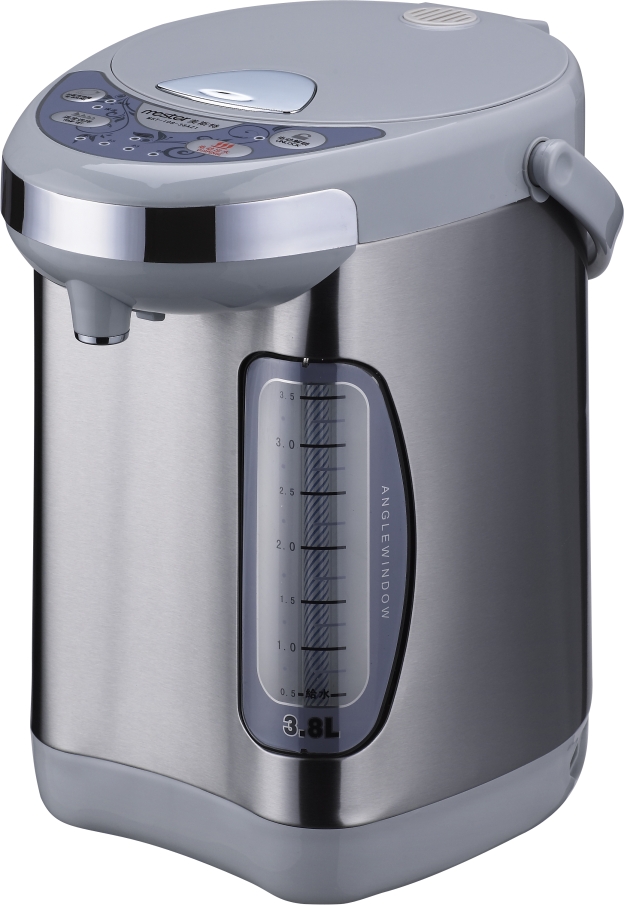
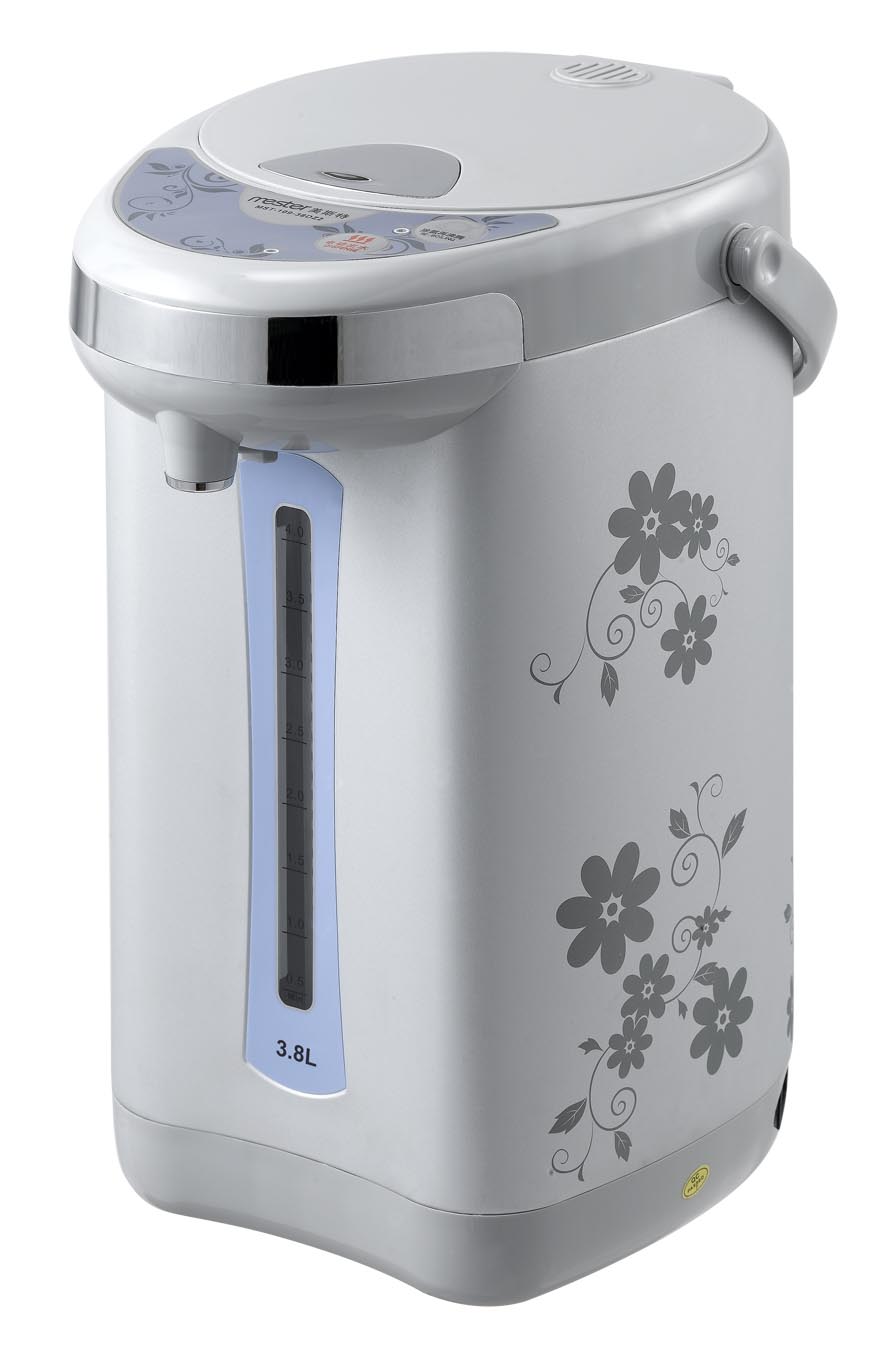
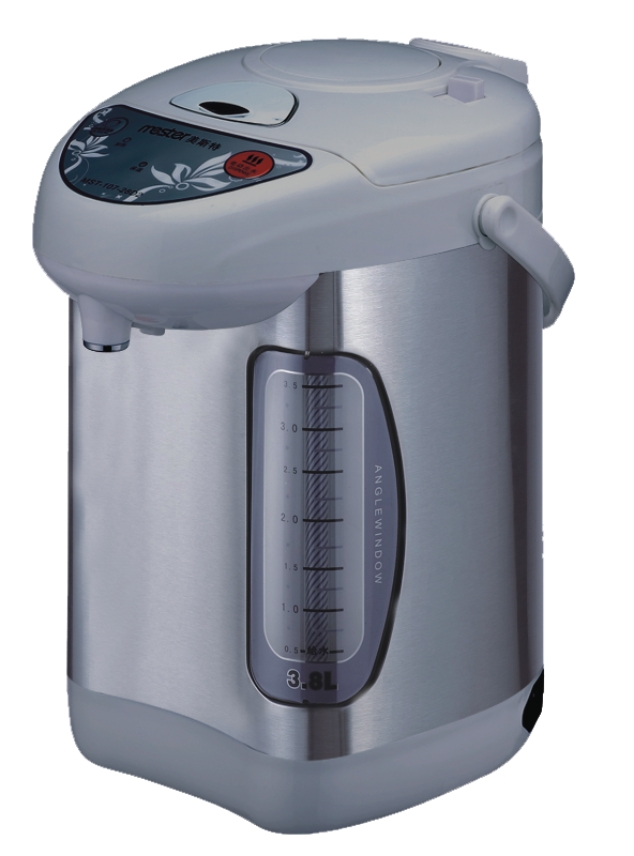
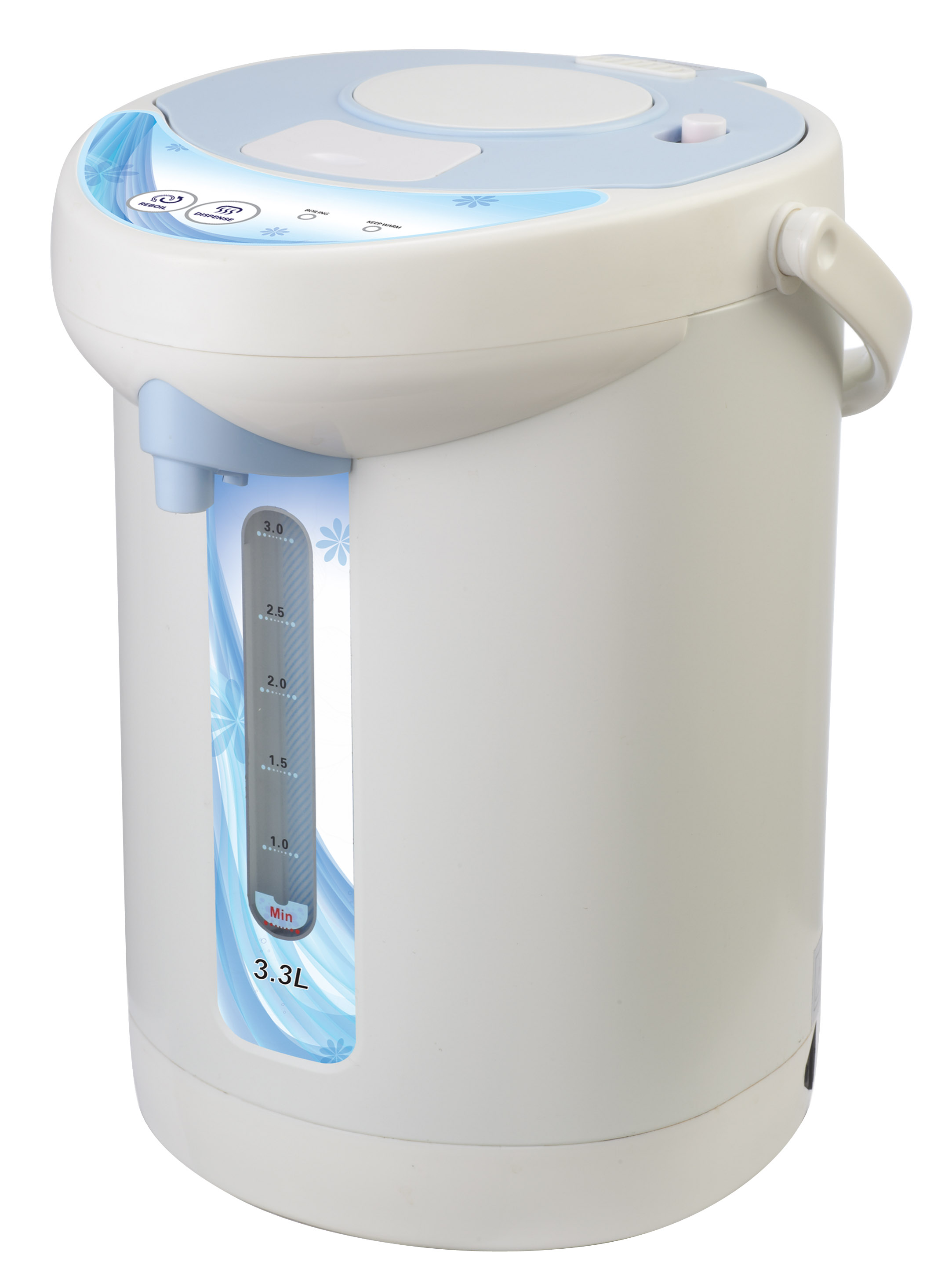
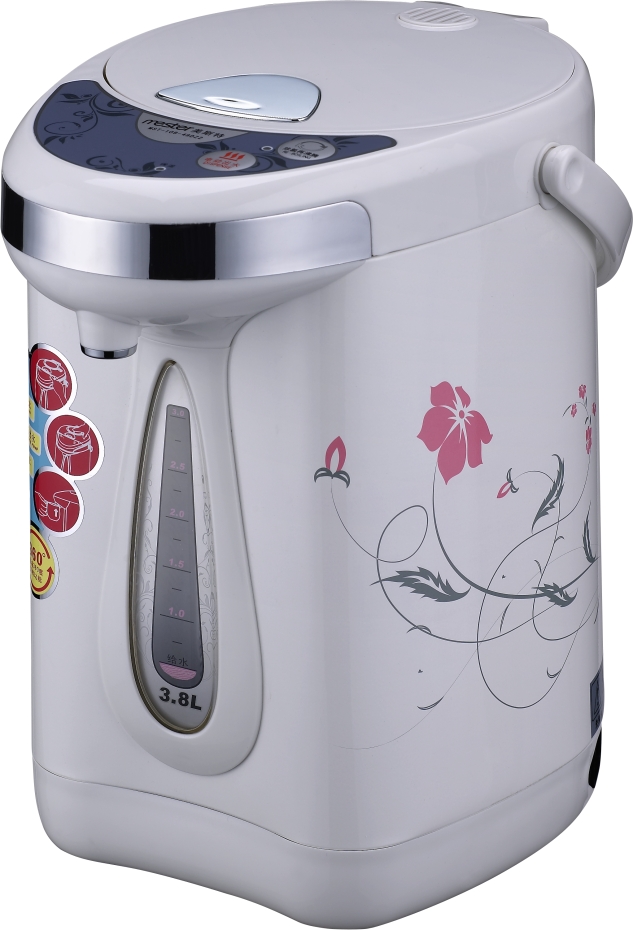
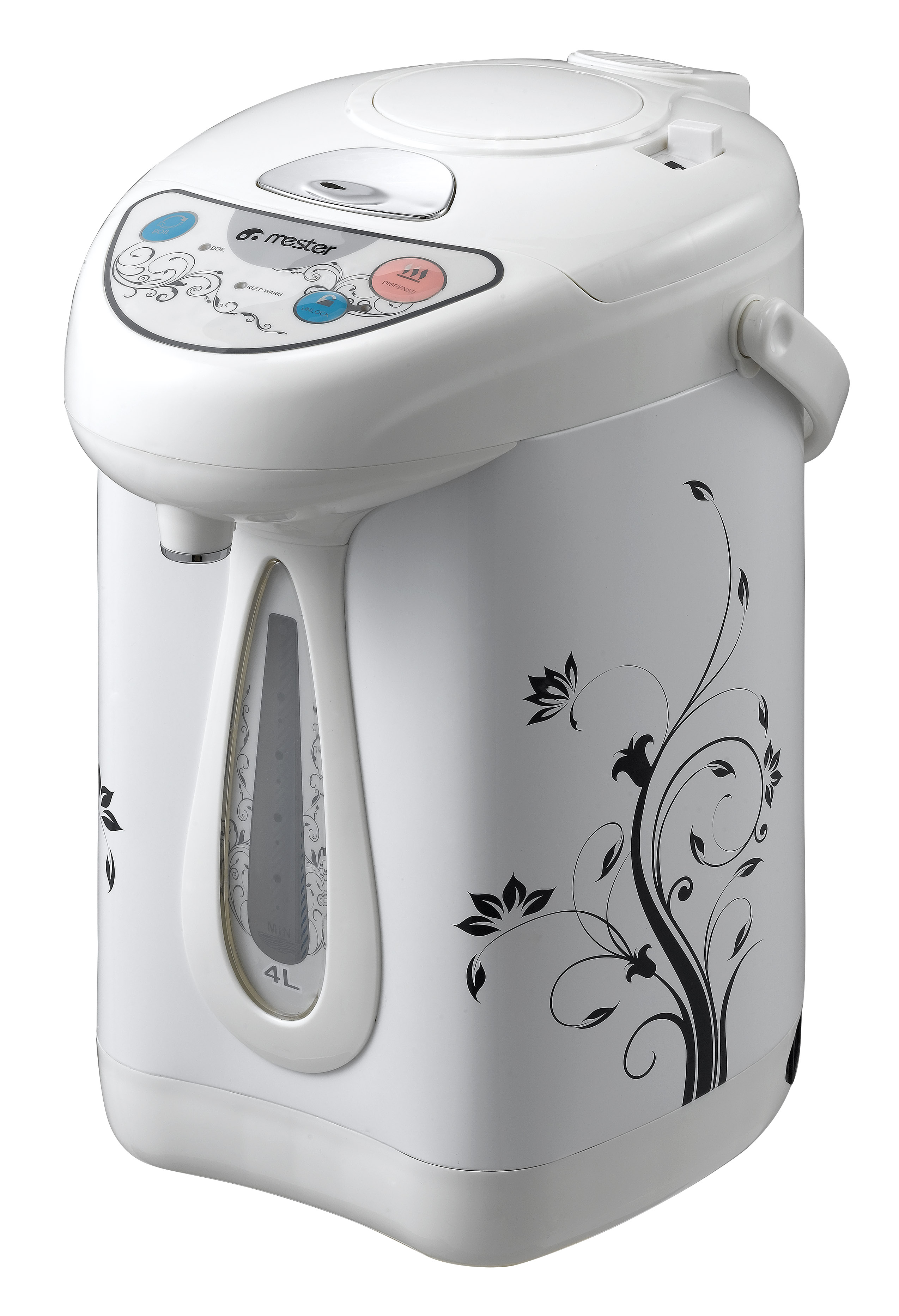
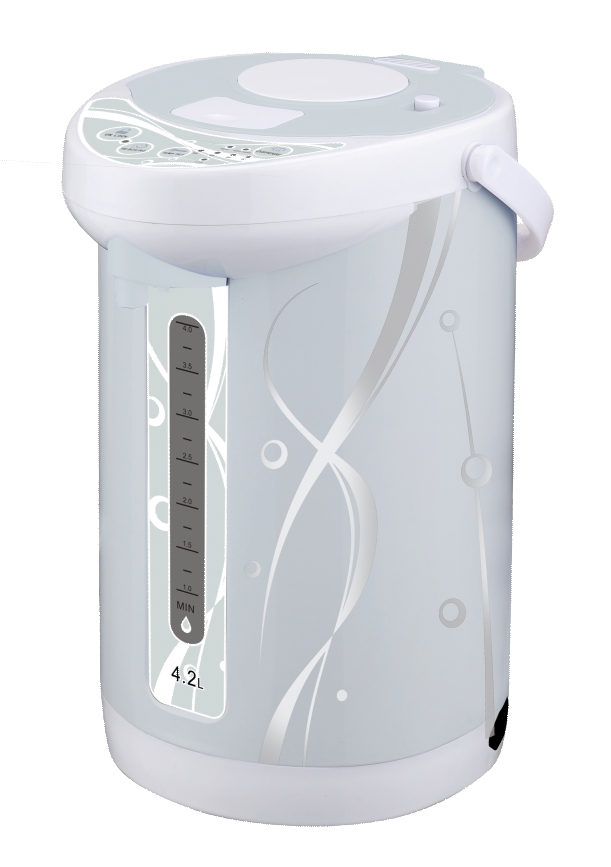
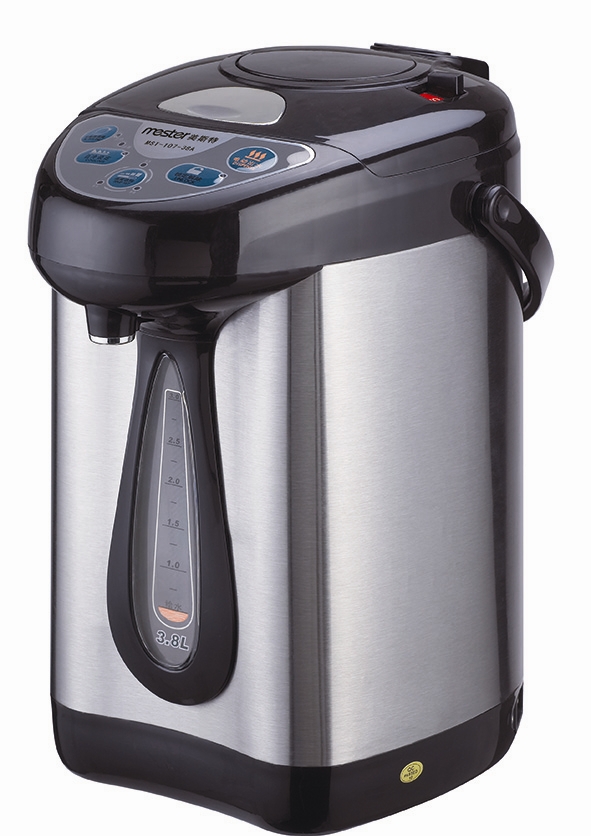
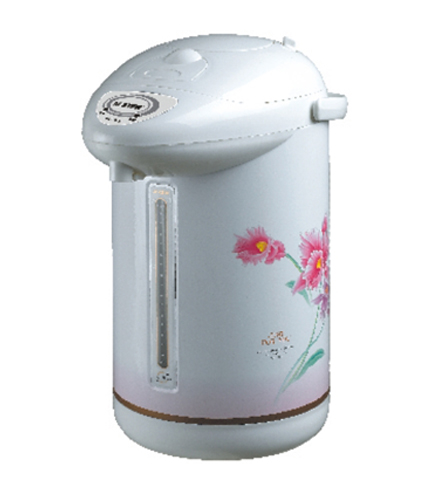
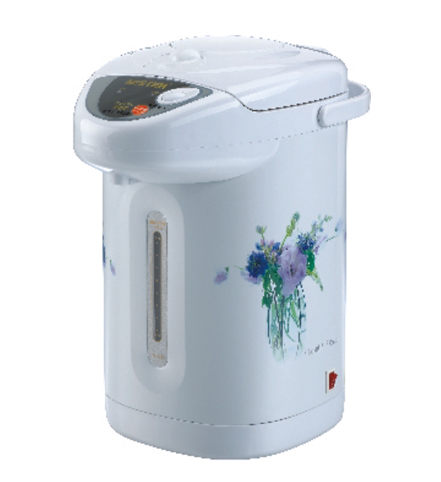
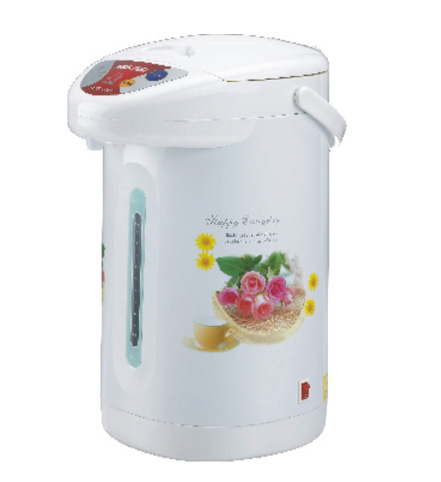
Electric Air Pots
Source wholesale Electric Air Pots in bulk from vetted manufacturers and suppliers. Designed for importers, wholesalers, and appliance brands seeking OEM or private-label production, our network delivers reliable water boilers and dispensers engineered for safety, durability, and global market compliance.
Sourcing electric air pots requires balancing heating efficiency, pump reliability, and food-safe materials. Because these appliances handle boiling water and operate continuously, the tolerance for component failure is exceptionally low. A poorly specified thermal fuse or a degrading silicone seal can quickly lead to high return rates and safety liabilities.
When buying in volume, success depends on specifying the right internal components and ensuring the factory has rigorous assembly and testing protocols in place.
Core Specifications & Material Selection
The longevity and performance of an electric air pot are largely determined by its internal architecture. Buyers must define material grades and pump mechanisms clearly in their purchase orders.
- Inner Pot Material: Standard models often use 304 stainless steel, which offers excellent corrosion resistance. Lower-tier factories might suggest 201 stainless steel to cut costs, but this is highly prone to rusting when exposed to hot water over time. Premium models may feature a non-stick fluoropolymer coating over the stainless steel to prevent mineral scale buildup.
- Heating Architecture: Most units utilize a dual-heating system—a primary element (typically 700W to 900W) for rapid boiling, and a secondary, lower-wattage band heater (30W to 50W) wrapped around the inner pot for the keep-warm function.
- Dispensing Mechanisms: Units typically feature an electric pump, a manual air pump (bellows system) for backup dispensing when unplugged, or a hybrid of both. The durability of the electric pump motor and the elasticity of the manual bellows are critical failure points to assess.
| Component | Standard Specification | Premium Specification |
|---|---|---|
| Inner Pot | 304 Stainless Steel | 304 SS with Non-stick Coating |
| Pump System | Electric Pump Only | Electric + Manual Air Pump Backup |
| Temperature Control | Bi-metallic Thermostat (Fixed) | Digital NTC Thermistor (Multi-temp) |
| Outer Casing | Tinplate / Basic Plastic | Brushed Stainless Steel / High-grade PP |
Need help verifying supplier specifications and component quality? We can handle the technical negotiations.
Talk to our teamManufacturing Quality & Defect Prevention
The assembly of water-bearing electrical appliances is prone to specific defects. Proper factory audits are essential to verify that the manufacturer maintains strict ISO 9001 standards and runs a clean, organized assembly line.
The most common issues arise from poor sealing and faulty electrical connections. During quality control and inspection, inspectors must focus on both functional testing and safety compliance.
Critical Pre-Shipment Inspection Points
- Hi-Pot (High Potential) testing to verify electrical insulation and prevent shock risks.
- Boil-dry protection verification: ensuring the thermal fuse trips immediately when the pot is heated without water.
- Water tightness testing: holding boiling water for 24 hours to check for leaks around the water level gauge and base seals.
- Pump volume consistency: measuring the water dispensed per second to ensure pump motor health.
- Lid latch integrity: testing the mechanical lock to prevent accidental opening during a tip-over.
OEM Customization and Compliance
For brands looking to differentiate, OEM/ODM services offer avenues to customize control panels, housing colors, and temperature presets (e.g., specific temperatures for green tea, coffee, or baby formula).
However, any modification to the electrical design or food-contact surfaces requires rigorous compliance testing. Depending on your target market, the factory must provide valid test reports for:
- Electrical Safety: CE/CB for Europe, UL/ETL for North America.
- Food Contact Materials (FCM): FDA compliance for the US, LFGB for Germany/EU (testing the inner pot, silicone seals, and dispensing tubes).
- Environmental: RoHS and REACH directives.
Pricing, MOQs, and Lead Times
Pricing for electric air pots fluctuates based on raw material costs (stainless steel, copper for wiring, plastics) and the complexity of the digital controls.
Factories will often offer a "stripped down" price initially. Ensure your quotes explicitly include the required certifications, 304 stainless steel, and appropriate packaging for international transit to avoid hidden costs later.
Want to benchmark your current pricing or find a more capable manufacturing partner?
Get a free consultationFrequently Asked Questions
Sourcing electric air pots requires a sharp eye on internal component quality, as external appearances can easily mask substandard wiring or cheap metals. By setting rigid specifications early and enforcing them through strict pre-shipment inspections, buyers can secure reliable products that protect their brand reputation.
Get Sourcing Help for Electric Air Pots
Tell us your requirements and our experts will connect you with verified manufacturers.