Earphone Accessories
Source high-quality earphone accessories from vetted manufacturers and wholesale suppliers across Asia. Designed for importers, consumer electronics distributors, and audio brands, our network supports bulk orders, custom tooling, and private-label production with rigorous quality control to protect your brand.
Sourcing earphone accessories at scale requires strict attention to material safety, acoustic transparency, and dimensional tolerances. Whether you are importing replacement tips, adapter cables, or protective cases, minor deviations in manufacturing can result in poor acoustic seals, incompatible fitments, or rapid material degradation. Securing reliable production means looking past unit costs to evaluate tooling precision, polymer grades, and the factory's internal testing standards.
Material Specifications and Acoustic Impact
The performance of an earphone accessory directly impacts the user's perception of the audio device itself. For items interfacing directly with the ear or the hardware, material selection is the primary driver of both comfort and durability.
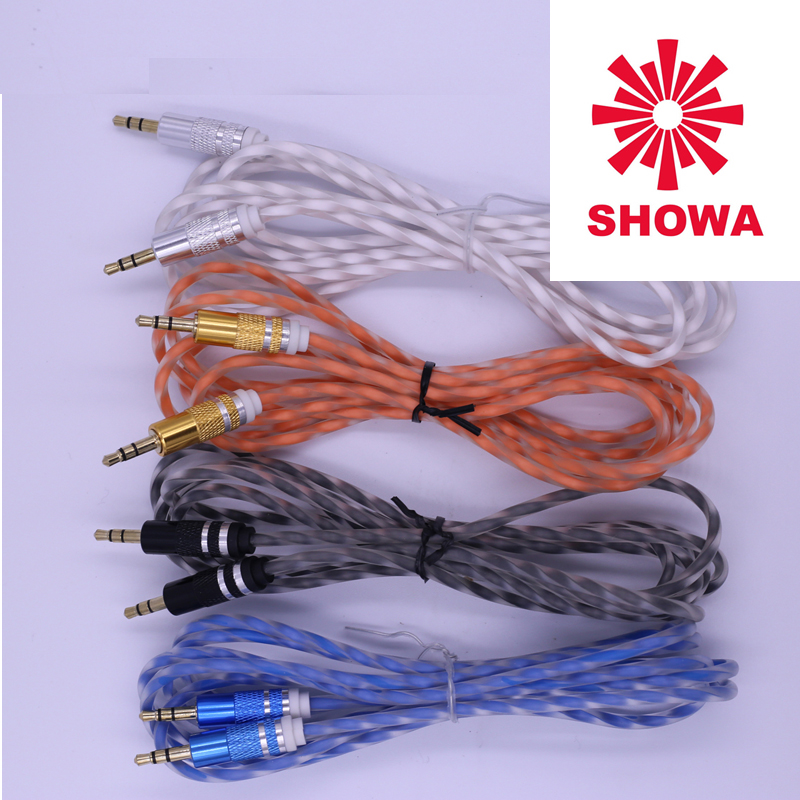
When specifying requirements with your manufacturer, focus on specific metrics rather than generic material names. For silicone components, define the Shore A hardness (typically 30A to 50A for optimal comfort without compromising structural integrity). For memory foam, specify the polyurethane density and rebound time. For cables and adapters, stipulate the thickness of gold plating on connectors (e.g., 3u to 15u) and the exact grade of TPE or braided shielding to prevent microphonics (cable noise).
| Specification | Medical-Grade Silicone | Polyurethane Memory Foam |
|---|---|---|
| Acoustic Seal | Consistent, durable isolation | Superior passive noise cancellation |
| Durability | High resistance to oils and tearing | Degrades over 3 to 6 months of heavy use |
| Tooling Complexity | High (requires precise injection molding) | Moderate (die-cut or molded) |
| Unit Cost | Low to Moderate | Moderate to High |
Manufacturing Precision and Defect Control
The core challenge in producing earphone accessories is managing micro-tolerances. An inner nozzle core that is a fraction of a millimeter too wide will slip off the earphone; one too narrow will split upon installation.
During the injection molding process, factory floor operators must carefully monitor temperature and pressure. Poorly calibrated machines result in "flash" (excess material along the seam), short shots (incomplete filling of the mold), or flow marks. Catching these defects early prevents unsellable inventory from leaving the factory. Implementing a robust Quality Control & Inspection protocol is essential to verify dimensional accuracy and visual consistency before packaging.
Critical Factory-Level QC Checks
- Dimensional tolerance testing using digital calipers (acceptable variance under 0.1mm).
- Pull-force testing for cable stress reliefs and connector joints.
- Visual inspection for injection molding flash, sink marks, or discoloration.
- Biocompatibility and RoHS compliance verification for skin-contact materials.
- Rebound time measurement for memory foam components.
Struggling with inconsistent tooling or material degradation? Let us match you with pre-audited manufacturers capable of maintaining strict micro-tolerances.
Talk to our teamCustom Tooling and Private Labeling
Many brands utilize OEM/ODM Services to differentiate their accessory lines. Developing custom shapes, proprietary acoustic filters, or unique colorways requires opening new molds. Standard tooling for silicone injection molding can take 15 to 30 days to finalize, depending on the number of cavities and the complexity of the design.
Packaging also plays a critical role in this category, as accessories are often high-margin retail add-ons. Blister packs, custom-molded EVA cases, and eco-friendly paperboard solutions must be coordinated alongside product manufacturing. Engaging specialized Branding & Design support ensures your retail packaging aligns with the product's dimensions and your brand's aesthetic standards while remaining cost-effective to ship.
Pricing, MOQs, and Production Timelines
Unit economics in earphone accessories depend heavily on volume and customization. Off-the-shelf designs utilizing existing factory molds carry lower minimums, while custom-tooled products require higher initial commitments to amortize the mold costs.
When negotiating pricing, clarify whether the quote includes retail-ready packaging or simply bulk polybags. Additionally, verify if the supplier will cover the cost of mold modifications if the initial "first article" samples do not meet your dimensional specifications.
Need accurate pricing and tooling estimates for your custom earphone accessories? Connect with our sourcing experts to map out your production costs.
Get a free consultationFrequently Asked Questions
Sourcing earphone accessories is a game of millimeters. Success requires moving beyond superficial supplier catalogs to rigorously qualify a manufacturer's tooling capabilities, material controls, and defect management. Establishing clear technical specifications upfront is the most effective way to protect your margins and deliver reliable products to your customers.
Get Sourcing Help for Earphone Accessories
Tell us your requirements and our experts will connect you with verified manufacturers.