Dryers
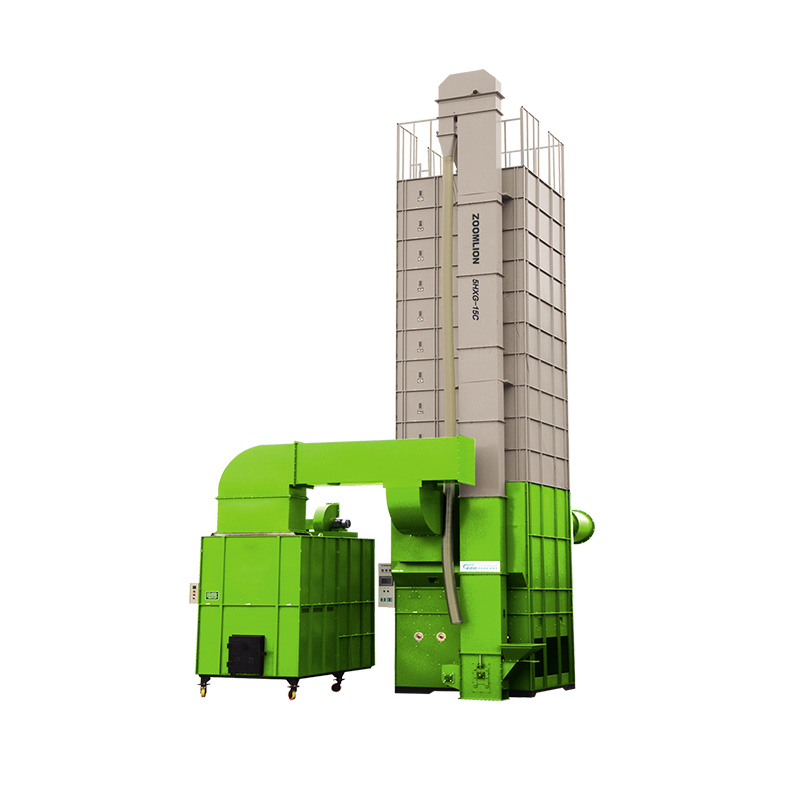
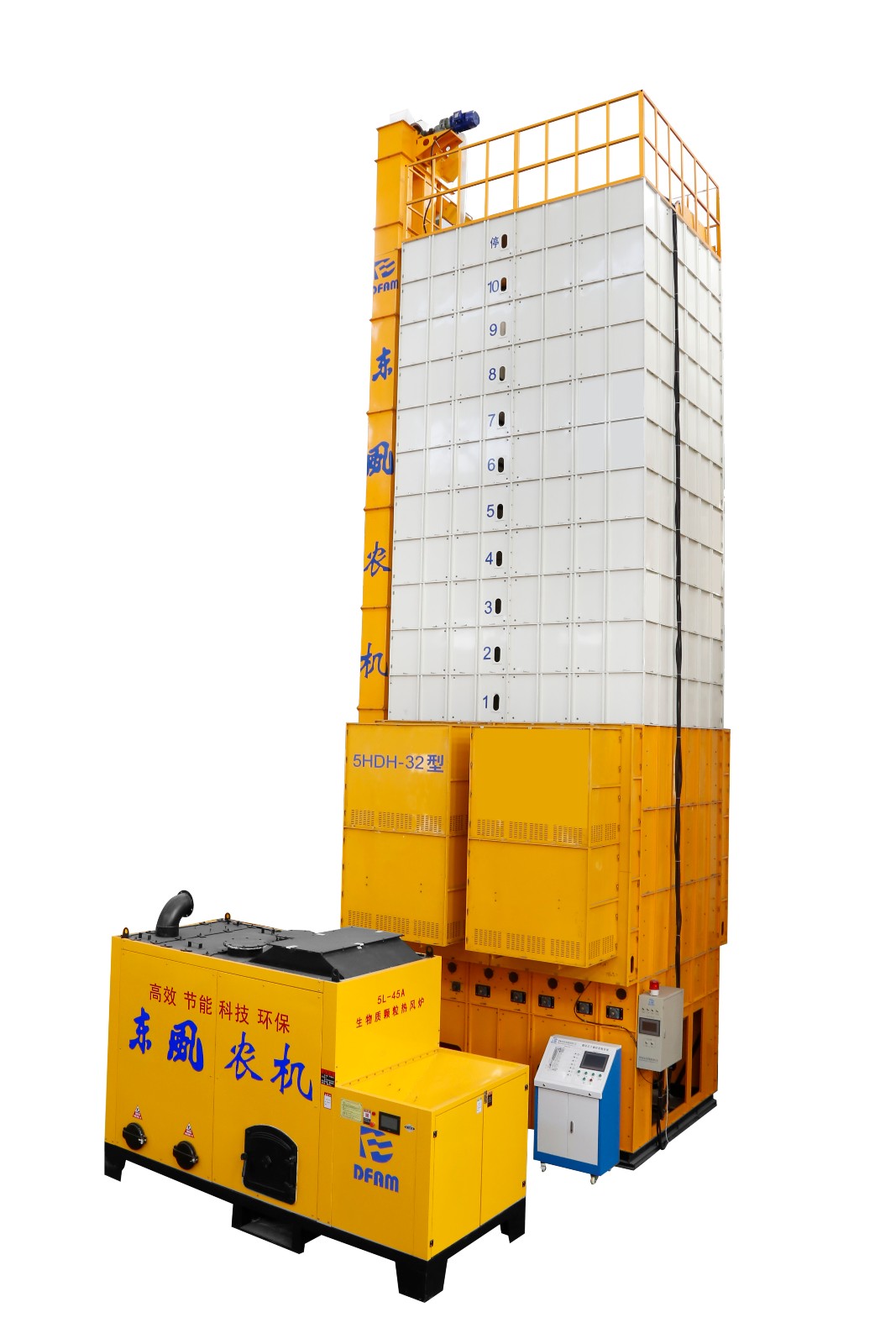
Source commercial agricultural dryers from vetted Chinese manufacturers and suppliers. Designed for importers, wholesalers, agricultural distributors, and OEM brands buying in volume. We connect you with reliable factories producing high-capacity grain and crop drying equipment at competitive wholesale prices.
Sourcing agricultural after-harvest dryers requires balancing thermal efficiency, throughput capacity, and operational durability. Whether you are procuring batch dryers for regional farming cooperatives or continuous flow systems for large-scale grain processing facilities, selecting the right manufacturing partner means looking past the spec sheet. You must evaluate the factory's engineering capabilities, metal fabrication standards, and control system reliability to ensure the equipment performs under continuous seasonal loads.
Core Engineering Specifications
When negotiating with manufacturers, the technical specifications must align precisely with the target market's crop types, ambient humidity, and available energy infrastructure. A dryer built for rice requires different airflow and temperature parameters than one built for corn to prevent kernel stress and cracking.
Key parameters to define with your supplier include:
- Moisture Extraction Rate: Typically measured in percentage reduction per hour (e.g., 0.8 to 1.2 percent per hour for batch grain dryers).
- Heat Source Versatility: Burners must match local fuel availability (diesel, natural gas, LPG, or biomass). Ensure the factory uses high-quality, internationally recognized burner brands (like Riello or Baltur) for easier after-sales servicing.
- Airflow and Blower Capacity: Specified in cubic meters per hour (CMH). Inadequate airflow leads to uneven drying and hot spots.
| Component | Standard Specification | Heavy-Duty / Industrial Specification |
|---|---|---|
| Material Construction | 1.5mm - 2mm Galvanized Steel | 3mm+ Stainless Steel (Contact Parts) |
| Control Systems | Basic Relay / Push-button | PLC with HMI Touchscreen & Moisture Sensors |
| Auger Flighting | Standard Carbon Steel | Hardox or High-Carbon Steel (Wear-resistant) |
Evaluating Manufacturing and Fabrication Quality
The structural integrity of an agricultural dryer dictates its lifespan. Because these machines handle abrasive materials and operate at elevated temperatures, poor fabrication quickly leads to thermal inefficiencies and mechanical failure.
Because heavy machinery production varies wildly in quality, conducting thorough Factory Audits is critical before placing a deposit. You need to verify that the supplier has the actual in-house CNC machinery and welding capabilities to meet your specifications, rather than outsourcing to sub-standard workshops.
Critical Factory Floor Quality Checks
- Weld Seams: Inspect for continuous, slag-free welds to ensure air-tight drying chambers and prevent thermal loss.
- Steel Coating: Verify the galvanization thickness (typically measured in g/m2) to ensure adequate rust resistance for outdoor deployment.
- Dynamic Balancing: Ensure all blowers, fans, and augers are dynamically balanced to reduce vibration and bearing wear.
- Electrical Components: Confirm all panels use CE/UL certified components (e.g., Siemens, Schneider) that match the destination country's voltage and phase requirements.
Sourcing heavy agricultural machinery requires rigorous supplier vetting and technical oversight. Let us help you find and manage the right manufacturing partner.
Talk to our teamLogistics and Shipping Mechanics
Agricultural dryers are high-volume items that present unique logistical challenges. Shipping fully assembled units is rarely cost-effective and often impossible due to container size limits.
Most commercial dryers are shipped CKD (Completely Knocked Down) or SKD (Semi Knocked Down). This requires the factory to have excellent packaging protocols, clear assembly documentation in the target language, and precise parts labeling. Missing a single specialized flange or bolt can delay an entire installation. Coordinating with an experienced Shipping & Freight partner ensures that these oversized or multi-container flat-pack loads are consolidated and routed efficiently to minimize landed costs.
Pricing, MOQs, and Lead Times
Because agricultural dryers are capital equipment, Minimum Order Quantities (MOQs) are low, but lead times are substantial due to the custom fabrication required.
Implementing rigorous Quality Control & Inspection before the equipment is packed into containers is non-negotiable. Once a machine arrives half-way across the world, rectifying a manufacturing defect or requesting replacement parts during harvest season is a catastrophic delay.
Need reliable quality control and logistics for your agricultural machinery imports? We handle the process from factory floor to final destination.
Get a free consultationFrequently Asked Questions
Successfully importing agricultural dryers means treating the equipment as a complete system rather than a collection of steel plates and motors. By enforcing strict fabrication tolerances and managing the complex CKD logistics, you can deliver reliable, high-margin machinery to your agricultural clients.
Get Sourcing Help for Dryers
Tell us your requirements and our experts will connect you with verified manufacturers.