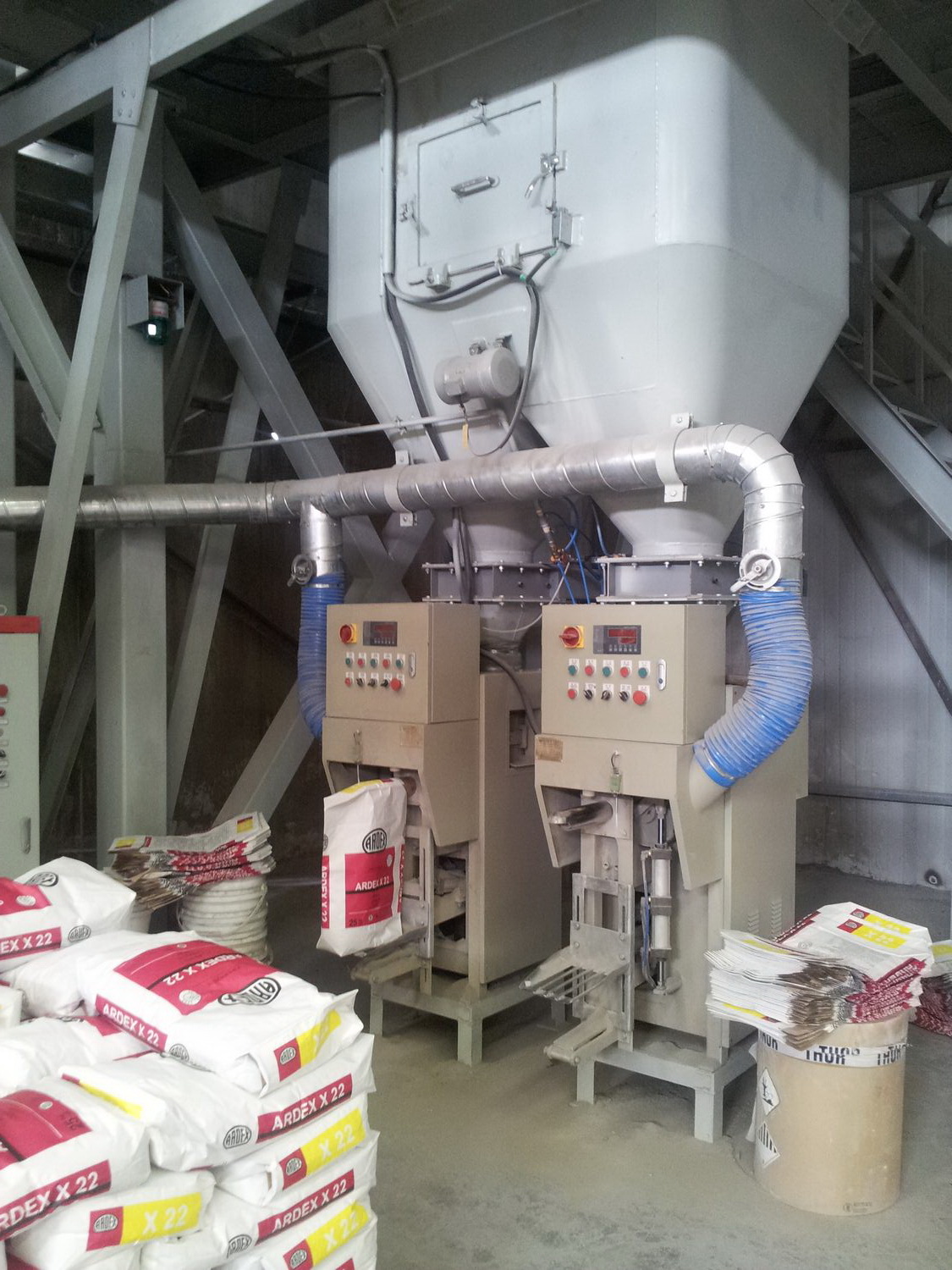
Dry Mortar Machines
Source industrial-grade dry mortar machines from vetted manufacturers and wholesale suppliers. Designed for construction equipment distributors, importers, and procurement managers, our network delivers customizable mixing lines with rigorous quality control, ensuring reliable performance for high-volume production facilities.
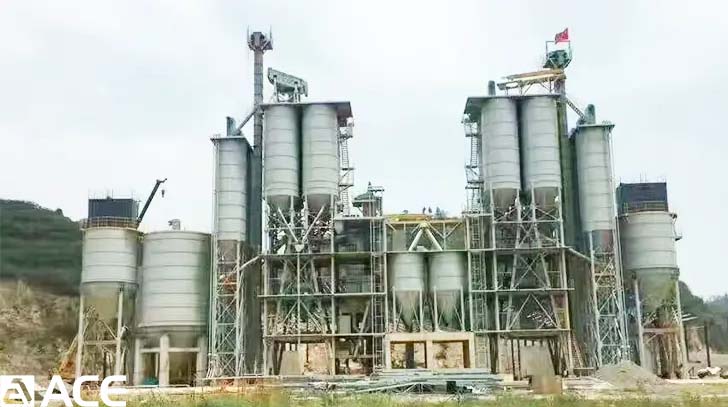
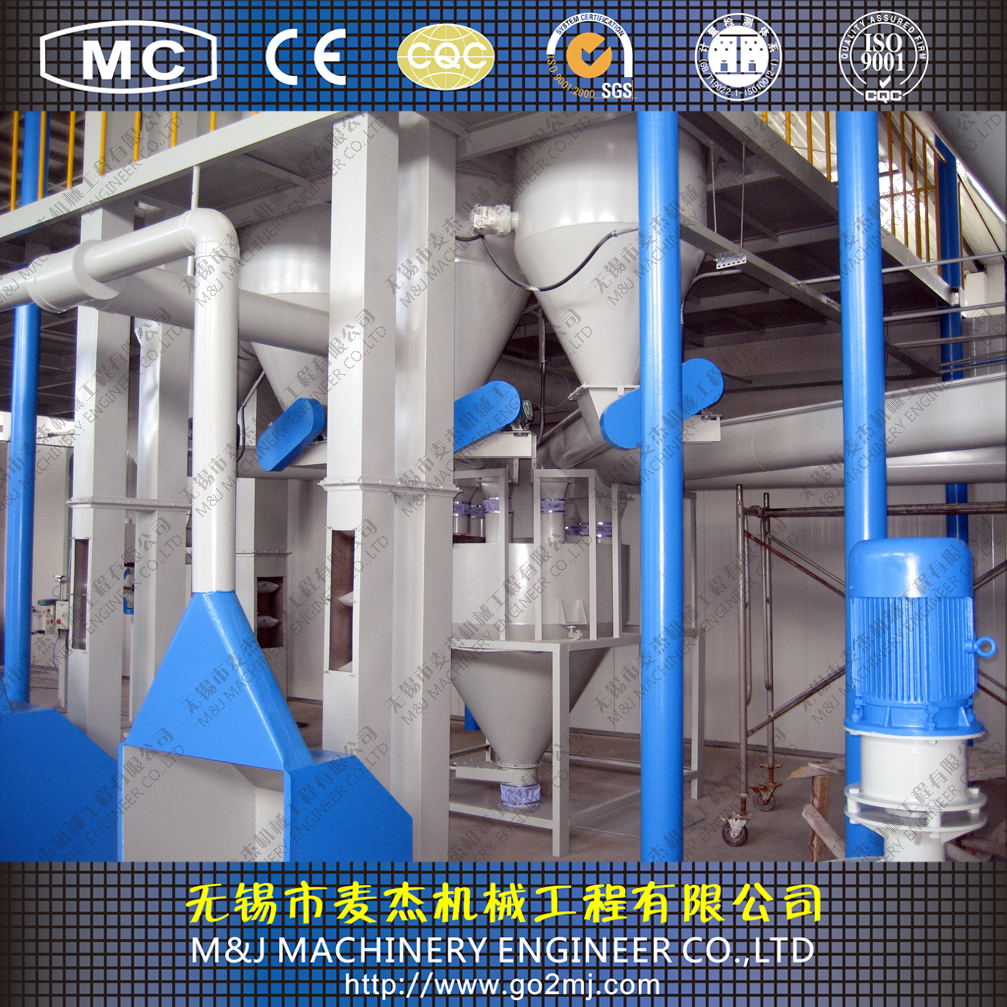
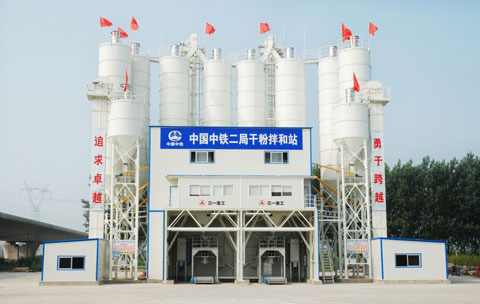
Sourcing dry mortar production equipment requires balancing mechanical durability with precise system integration. A dry mortar plant is rarely a standalone machine; it is a synchronized system comprising raw material silos, screw conveyors, weighing hoppers, the core mixer, and automated packaging units. For importers and distributors, the sourcing challenge lies in verifying that a manufacturer can engineer these components to work seamlessly together while maintaining strict tolerances for abrasive materials.
Core Specifications and Mixer Technologies
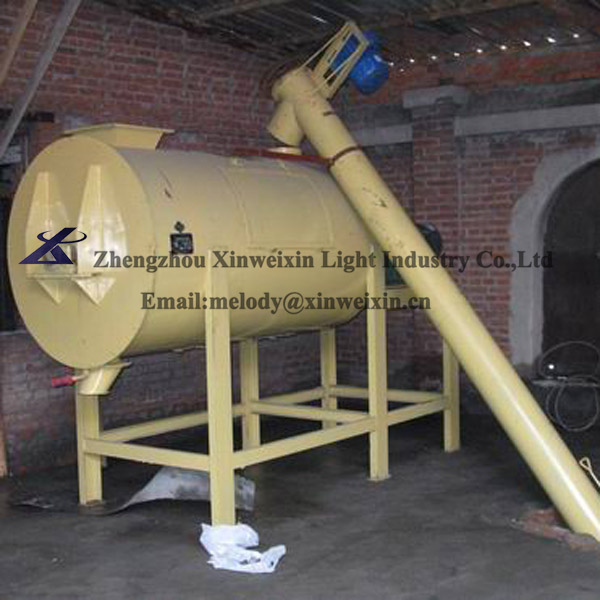
The heart of any dry mortar line is the mixer. The choice of mixing technology dictates the plant's throughput, the types of mortar it can produce (e.g., standard masonry mortar vs. specialized tile adhesives with delicate additives), and the overall power consumption.
| Specification | Ribbon Blender | Twin-Shaft Paddle Mixer |
|---|---|---|
| Mixing Action | Convective / Shearing | Fluidized / Weightless |
| Typical Mixing Time | 15 to 20 minutes | 3 to 5 minutes |
| Uniformity (CV) | Under 8% | Under 5% |
| Best Application | Standard masonry, low-capacity | High-capacity, complex additives |
When specifying a system with your supplier, the automation level is just as critical as the mechanical hardware. Fully automatic systems rely heavily on the integration of programmable logic controllers (PLCs) and precise load cells for batching. Specifying internationally recognized components (such as Siemens or Schneider PLCs, and Toledo load cells) ensures easier maintenance and replacement in your local market.
Evaluating complex machinery requires deep technical vetting. Merhein's engineering team can help you validate supplier specifications and ensure your custom plant layout meets local operational standards.
Talk to our teamWhere Quality is Won or Lost on the Factory Floor
The difference between a dry mortar machine that runs reliably for a decade and one that suffers constant downtime from abrasive wear is determined during fabrication. Many suppliers look identical on paper, but on-site practices reveal stark contrasts in quality.
Conducting thorough Factory Audits is essential to verify a manufacturer's true fabrication capabilities. Key areas to evaluate include:
- Steel Gauge and Material: Standard hoppers and silos are typically fabricated from Q235 carbon steel. However, critical wear zones—such as the mixer interior and paddle blades—must utilize wear-resistant alloy steels (like Mn13) or be lined with replaceable wear plates.
- Welding Standards: Dry mortar relies on fine powders (cement, fly ash). Poor continuous welding on silos or mixer bodies leads to moisture ingress and severe dust leakage. Look for automated submerged arc welding on large cylindrical components.
- Drive Systems: The main motor and reducer bear immense torque loads. While top-tier domestic Chinese brands are cost-effective, demanding applications often require specifying international brands (e.g., SEW or ABB) to guarantee longevity.
- Pneumatic and Dust Control: Pulse-jet bag filters are mandatory for environmental compliance. Poorly integrated dust collection systems will lead to hazardous working conditions and accelerated wear on moving parts.
Catching fabrication shortcuts requires vigilant Quality Control & Inspection during the assembly phase, not just prior to shipping, as internal mixer geometries and weld integrities are difficult to assess once the unit is fully painted and sealed.
Buying Mechanics: Pricing, Lead Times, and Logistics
Purchasing industrial machinery operates on different fundamentals compared to standard wholesale goods. MOQs are universally one complete set or line, but the definition of a "set" varies wildly based on your layout requirements.
Logistics and Shipping Complexities
Dry mortar plants are bulky and irregularly shaped. A simple 1-5 ton-per-hour semi-automatic line might fit into a single 20ft or 40HQ container. However, fully automated plants with large silos require multiple 40HQ containers, and oversized components may necessitate Open Top or Flat Rack containers, which significantly impacts freight costs. Coordinating Shipping & Freight for multi-container heavy machinery requires precise consolidation and flat-rack lashing expertise to prevent transit damage.
Don't let shipping complexities erode your margins. Let Merhein manage the end-to-end procurement, quality assurance, and heavy-freight logistics for your machinery imports.
Get a free consultationBuyer FAQ
Procuring dry mortar machinery is a major capital expenditure where the upfront price is only a fraction of the total cost of ownership. Success relies on rigorous technical specification, active quality monitoring during fabrication, and precision logistics. Engaging experienced sourcing partners ensures your equipment arrives on time, on spec, and ready to produce.
Get Sourcing Help for Dry Mortar Machines
Tell us your requirements and our experts will connect you with verified manufacturers.