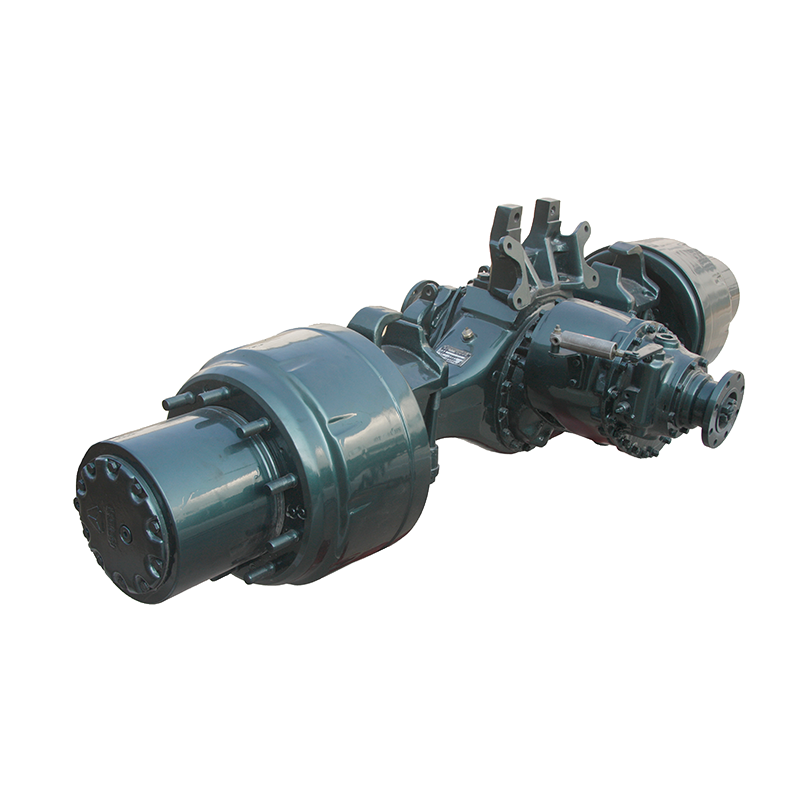
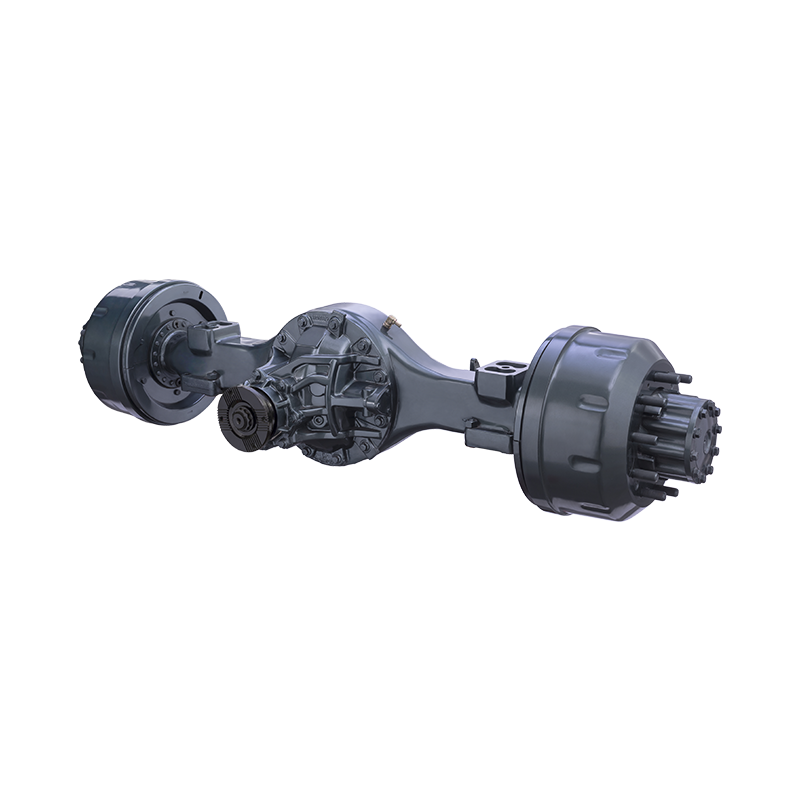
Drive-Axles
Source high-quality drive-axles from vetted manufacturers and suppliers in China and across Asia. Designed for automotive parts importers, distributors, and brands seeking reliable OEM production in bulk, our verified network delivers precision-engineered drivetrain components that meet stringent industry standards.
Sourcing drive-axles in bulk requires strict adherence to metallurgical standards and tight machining tolerances. Because these components bear the full rotational force and load of the vehicle, a failure under high torque leads to catastrophic drivetrain damage. Success in this category relies on verifying your manufacturer's forging capabilities, heat-treatment consistency, and adherence to automotive quality management systems.
Core Specifications and Material Selection
The foundation of a reliable drive-axle is its metallurgy. Automotive manufacturers typically utilize medium-carbon or alloy steels, depending on the target application—ranging from standard passenger vehicles to heavy-duty commercial trucks. When negotiating with factories, specifying the exact steel grade and heat treatment depth is non-negotiable.
| Material Grade | Typical Application | Characteristics |
|---|---|---|
| SAE 1045 Carbon Steel | Standard passenger cars, light aftermarket | Cost-effective, moderate tensile strength, responds well to induction hardening. |
| SAE 4140 Chromoly | Performance vehicles, light trucks | High fatigue strength, excellent toughness, higher cost per unit. |
| SAE 4340 Nickel-Chromoly | Heavy-duty commercial, off-road OEM | Maximum impact resistance and tensile strength, requires advanced machining. |
To ensure you receive accurate quotes and avoid production delays, your technical drawings or RFQ should explicitly detail:
Critical Drive-Axle Specifications
- Exact spline count, pitch, and pressure angle on both inboard and outboard ends.
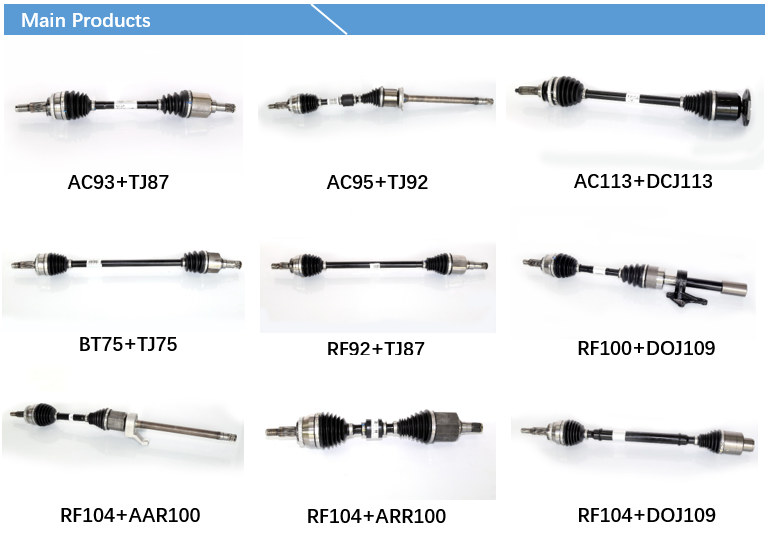
- Overall compressed and extended lengths (for CV axles).
- Required surface hardness (typically HRC 50-60) and specific case depth.
- Dynamic balancing requirements and maximum allowable runout.
- Anti-corrosion surface treatments (e.g., black oxide, zinc plating, or electrophoretic coating).
Ensure your axles meet exact torque and fatigue requirements with vetted automotive suppliers.
Talk to our teamManufacturing Process and Quality Control
Drive-axle manufacturing is a multi-stage process where quality is easily compromised if a factory cuts corners on tooling or skips intermediate testing. The most common defects—such as premature spline wear or shaft snapping—stem from improper heat treatment or poor spline hobbing.
Forging & Upsetting
The raw steel billet is heated and forged. Upset forging is critical for creating the flange or bell housing without compromising the grain structure of the steel.
CNC Machining & Spline Hobbing
The shaft is turned to exact dimensions. Splines are cut using precision hobs or rolled. Rolled splines generally offer superior fatigue resistance compared to cut splines.
Induction Hardening
The shaft undergoes localized heat treatment. The core must remain ductile to absorb shock, while the outer case is hardened to resist wear. Inconsistent case depth here is a primary cause of axle failure.
Assembly & Balancing
For complete CV axle assemblies, joints, boots, and grease are added. The unit is dynamically balanced to prevent vibration at high rotational speeds.
Because you cannot visually verify core ductility or case hardness, rigorous Quality Control & Inspection is mandatory. This includes verifying material test reports (MTRs), conducting ultrasonic testing for internal voids, and performing torsional fatigue tests on sample batches before mass production begins. Furthermore, partnering with factories that hold active IATF 16949 certification is essential, which can be verified through comprehensive Factory Audits.
Buying Mechanics: MOQs, Pricing, and Lead Times
The automotive aftermarket and OEM supply chains operate on distinct economies of scale. Drive-axle production requires significant setup time, particularly if custom tooling or specific forging dies are needed.
Pricing is heavily indexed to global steel commodity rates and the complexity of the CV joints (if applicable). If you are developing proprietary performance axles, leveraging OEM/ODM Services ensures your intellectual property is protected while navigating the initial tooling costs, which typically range from a few thousand to tens of thousands of dollars depending on the die complexity.
Streamline your automotive parts supply chain from factory floor to final destination.
Get a free consultationFrequently Asked Questions
Successfully importing drive-axles requires balancing unit costs with uncompromising metallurgical standards. By thoroughly vetting supplier capabilities and enforcing strict pre-shipment testing protocols, you can secure a reliable supply of drivetrain components that perform flawlessly in the field.
Get Sourcing Help for Drive-Axles
Tell us your requirements and our experts will connect you with verified manufacturers.