Drink Dispensers
Source commercial drink dispensers from vetted manufacturers and suppliers across Asia. Built for importers, restaurant equipment distributors, wholesalers, and brands requiring reliable OEM/ODM production in bulk. Secure competitive wholesale pricing, verified food-safety compliance, and scalable manufacturing.
Sourcing commercial drink dispensers at scale requires balancing thermal efficiency, continuous-use durability, and strict food contact safety. For high-volume buyers, the challenge lies in identifying manufacturers who use reliable refrigeration components and high-grade polymers, rather than those cutting costs on compressors or base seals. A failure in the field means leaked product, motor burnout, or hygiene violations.
Critical Specifications and Material Selection
The longevity of a commercial beverage dispenser is dictated by its core materials and the quality of its chilling or heating mechanisms. When evaluating factory capabilities, focus on the following technical areas:
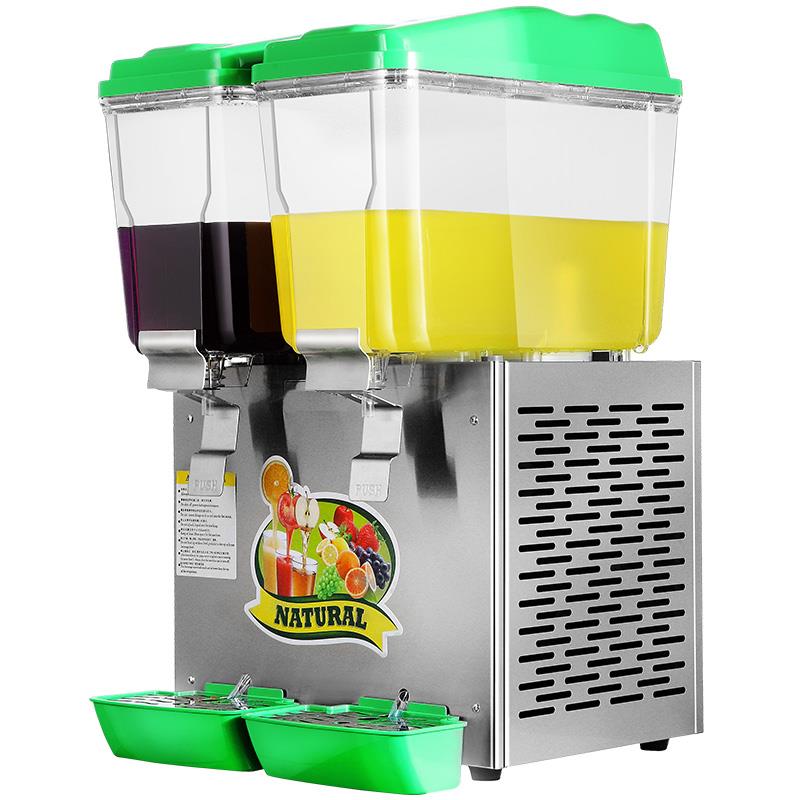
- Bowl Materials: Most commercial units use Polycarbonate (PC) or Tritan (copolyester). While standard PC is cost-effective and durable, it must be certified BPA-free for food contact in many Western markets. Tritan offers higher clarity and chemical resistance, reducing clouding over time from acidic juices.
- Cooling Systems: For refrigerated dispensers, the compressor is the single largest cost driver. Factories often use domestic Chinese brands to hit lower price points, but for export markets, specifying globally recognized compressor brands (such as Embraco or Secop) ensures better energy efficiency, lower noise levels, and easier servicing.
- Evaporator Cylinders: The cooling cylinder inside the bowl should be constructed from 304 food-grade stainless steel. Check the factory's welding capabilities; seamless or laser-welded cylinders prevent bacterial buildup in crevices and ensure rapid heat transfer.
| Mixing Mechanism | Optimal Application | Manufacturing Consideration |
|---|---|---|
| Paddle Stirring | High-density liquids, juices with pulp | Requires high-torque motors; base seals are prone to wear and require tight tolerances. |
| Spray / Fountain | Clear liquids, iced tea, lemonade | Pump impellers must be highly durable; requires magnetic drive pumps to eliminate shaft leaks. |
| Agitator | Dairy-based or thick beverages | Speed control is critical to prevent excessive foaming or separation. |
Struggling to verify factory claims about compressor brands or material grades? Let us handle the technical vetting and supplier qualification for your next order.
Talk to our teamManufacturing Quality Control and Common Defects
The assembly of drink dispensers involves electrical, refrigeration, and plumbing components. Because these units handle liquids in close proximity to electrical systems, rigorous quality control inspections are non-negotiable.
Factories with poor process control frequently struggle with seal integrity. The silicone gaskets at the base of the bowl and around the dispensing valve must be perfectly seated. Even a millimeter of variance in the injection-molded bowl base will cause slow leaks.
Critical Pre-Shipment Inspection Points
- Leakage testing: Minimum 24-hour static water test at maximum capacity.
- Cooling performance: Time-to-temperature testing (typically chilling ambient liquid to under 5°C within 45 minutes).
- Electrical safety: Hi-Pot (High Potential) testing and earth continuity checks.
- Acoustic testing: Decibel measurement of the compressor and stirring motor under full load.
- Visual inspection: Checking PC bowls for injection molding flow marks, stress cracks, or clouding.
Compliance and Regulatory Standards
Commercial catering equipment faces strict regulatory environments. Depending on your import market, the manufacturer must hold valid, verifiable certifications. Food contact materials (FCM) must pass FDA (US) or LFGB (Europe) testing. Electrical components require CE, RoHS, or UL/ETL listings.
Many suppliers claim to have these certifications, but they often apply only to specific components (like the plug) rather than the entire assembled unit. Verifying the scope of a factory's test reports through proper compliance testing partners is essential before committing to a bulk order.
Pricing, MOQ, and Production Lead Times
The commercial equipment sector operates on different economies of scale compared to consumer goods. Tooling for large polycarbonate bowls is expensive, which influences minimum order quantities for custom designs.
Pricing is highly volatile based on the cost of stainless steel, copper (for refrigeration coils), and the chosen compressor brand. Upgrading from a standard domestic compressor to an imported commercial-grade unit can increase the unit cost by 15 to 25 percent, but drastically reduces warranty claims and field failures. If you are developing a proprietary model, leveraging professional OEM/ODM services helps manage tooling costs and IP protection.
Need accurate pricing based on your specific technical requirements and import volume? We negotiate directly with top-tier commercial equipment manufacturers.
Get a free consultationBuyer FAQ
Successfully sourcing drink dispensers means looking past the polished exterior to validate the thermal engineering and material safety. By partnering with factories that maintain strict control over their injection molding and refrigeration assembly, you secure reliable equipment that protects your brand's reputation in demanding commercial environments.
Get Sourcing Help for Drink Dispensers
Tell us your requirements and our experts will connect you with verified manufacturers.