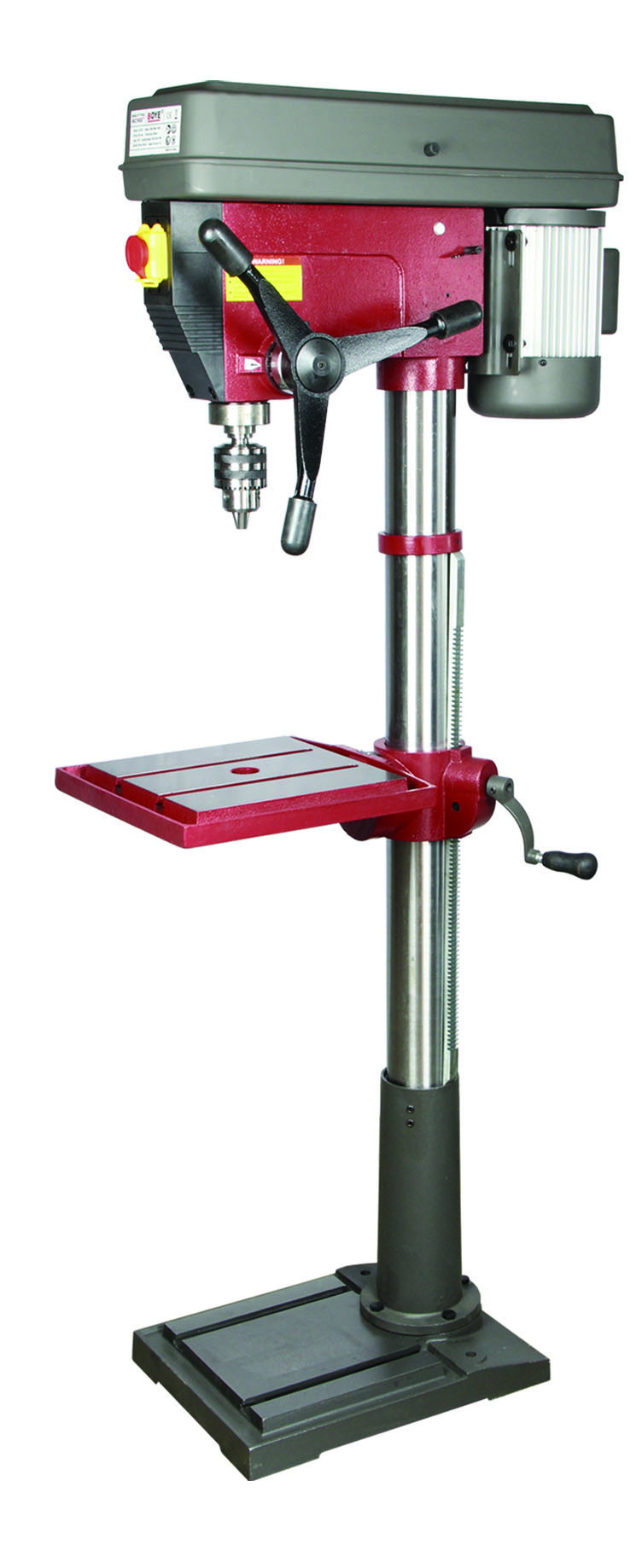
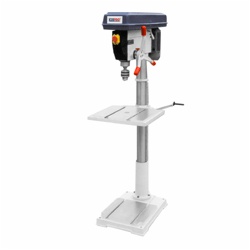
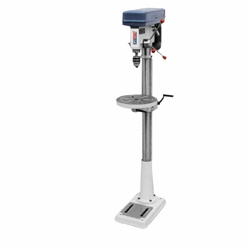
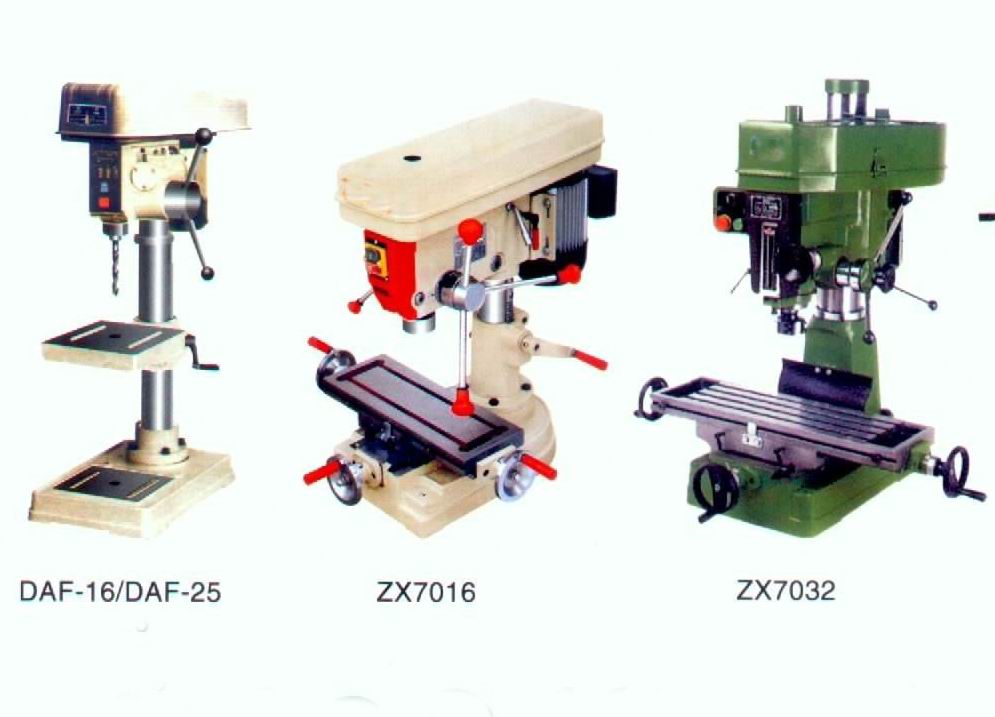
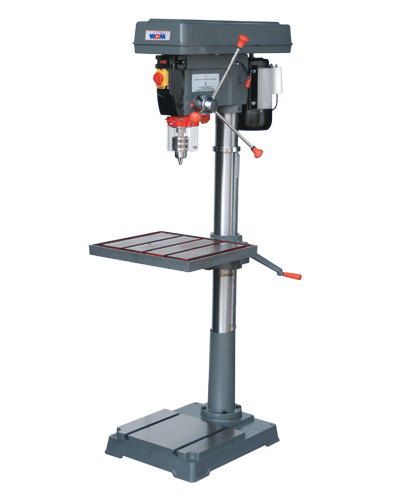
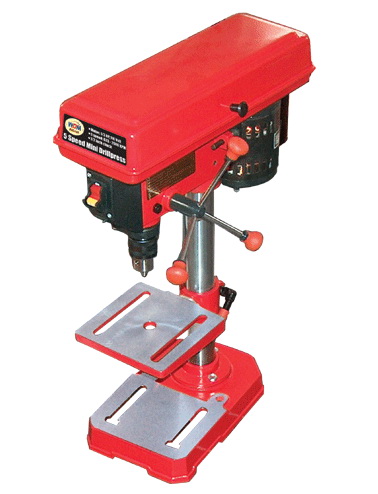
Drill Presses
Source commercial and industrial-grade drill presses from vetted suppliers and manufacturers across Asia. Designed for importers, distributors, and brands seeking reliable OEM and private-label production, our network delivers precision-engineered power tools in bulk at competitive wholesale prices.
Sourcing drill presses at volume requires balancing motor durability, structural rigidity, and precision machining. A minor alignment flaw in the column or excessive spindle runout can render an entire production batch unsellable to professional end-users. When buying in bulk direct from overseas factories, success depends on specifying the right internal components and enforcing strict tolerances before the goods ever reach the container.
Specifying Components for Production
The visual appearance of a drill press is easy to replicate; the internal engineering is where factories cut costs. When negotiating with manufacturers, you must dictate specifications down to the component level to ensure the final product meets your market's performance expectations.
| Component | Consumer / Light Duty | Industrial / Heavy Duty |
|---|---|---|
| Motor Winding | Often CCA (Copper-Clad Aluminum) | 100% Pure Copper |
| Base & Table Material | Lightweight cast iron, minimal ribbing | Heavy, stress-relieved cast iron with deep ribbing |
| Spindle Runout Tolerance | Up to 0.15mm | Under 0.05mm |
| Speed Control | Manual stepped pulley | Variable speed (Mechanical or VFD) |
Castings and Structural Rigidity
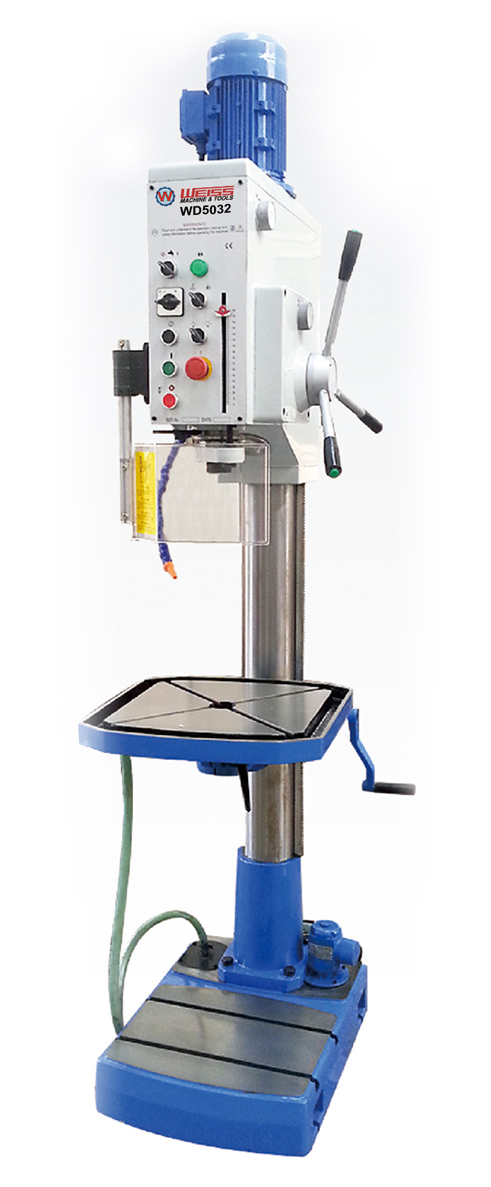
The base, column, head, and table form the backbone of a drill press. Inferior castings suffer from porosity, which compromises strength, or improper aging, which leads to warping over time. Ensure your manufacturer utilizes proper stress-relief processes for their cast iron components. If you are developing a new product line, evaluating the foundry capabilities during factory audits is a critical first step.
Need help verifying factory capabilities? Let our sourcing experts match you with vetted power tool manufacturers.
Get a free consultationMotor and Drive Systems
Motors are the most expensive component in the assembly. Always specify 100% copper windings for any drill press marketed to professionals or industrial users. Aluminum windings run hotter, have a shorter lifespan, and are a common hidden cost-cutting measure. Additionally, specify the belt quality (e.g., poly-V belts for smoother power transmission and reduced vibration) and the exact type of chuck (keyed vs. keyless, precision machined).
Quality Control and Common Defects
Catching defects on the factory floor is significantly cheaper than dealing with returns and brand damage. Standard inspection protocols must go beyond visual checks and include functional load testing.
Critical Pre-Shipment Inspection Checks
- Spindle Runout: Measure with a dial indicator; must be under specified tolerances.
- Table Flatness: Verify across the entire surface using a precision straight edge.
- Motor Temperature Rise: Run continuously under load to check for overheating.
- Column Alignment: Ensure the column is perfectly perpendicular to the base.
- Safety Switches: Test emergency stops and magnetic switches for immediate response.
Implementing rigorous quality control procedures ensures that every unit in your container meets the agreed-upon standard. Pay special attention to the packaging; heavy cast-iron tools are prone to transit damage if the internal EPS foam is not dense enough to support the weight.
Customization and Private Labeling
For brands looking to differentiate, drill presses offer excellent opportunities for customization. Through OEM/ODM services, you can modify standard factory platforms to fit your brand identity and target market.
- Aesthetics: Custom powder-coating colors, branded nameplates, and bespoke warning labels.
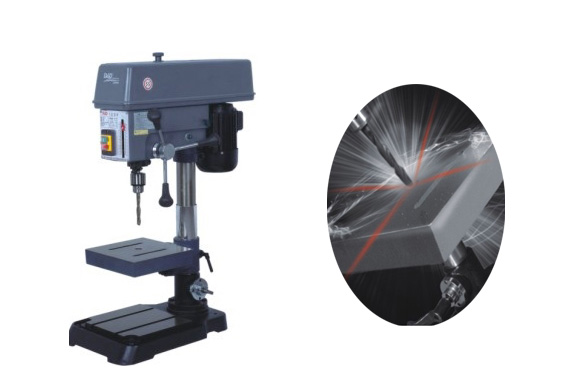
- Upgrades: Substituting standard chucks for high-precision keyless versions, adding integrated LED work lights, or upgrading to laser crosshair guides.
- Safety Guards: Modifying transparent chuck guards and micro-switches to meet specific regional safety regulations.
Pricing, MOQs, and Lead Times
Power tool manufacturing is capital intensive, and factories structure their pricing and Minimum Order Quantities (MOQs) to maximize production efficiency.
Pricing is heavily influenced by raw material costs (cast iron and copper) and currency exchange rates. When negotiating, always clarify whether the quoted price includes standard export packaging and required safety certifications.
Streamline your procurement process, negotiate better MOQs, and secure reliable production capacity.
Talk to our teamFrequently Asked Questions
Successfully importing drill presses requires technical diligence and a firm grip on the supply chain. By defining exact specifications, enforcing strict quality control, and partnering with verified manufacturers, you can secure reliable, high-margin products for your distribution network.
Get Sourcing Help for Drill Presses
Tell us your requirements and our experts will connect you with verified manufacturers.