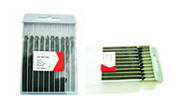
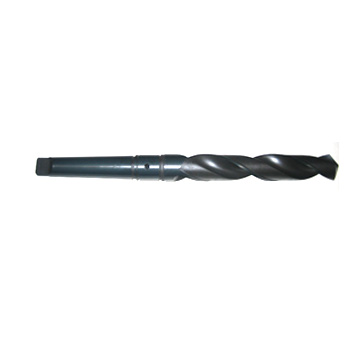
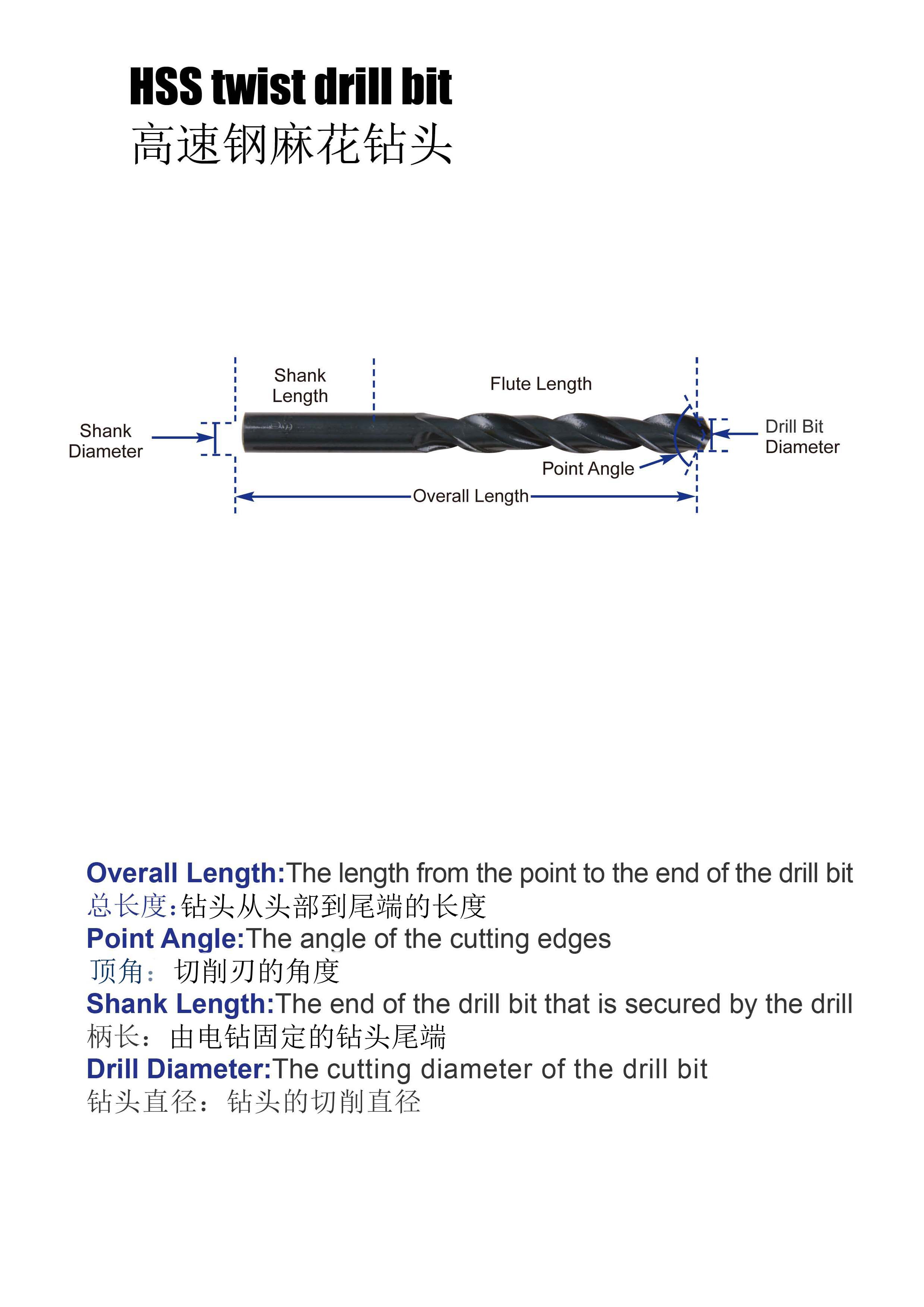
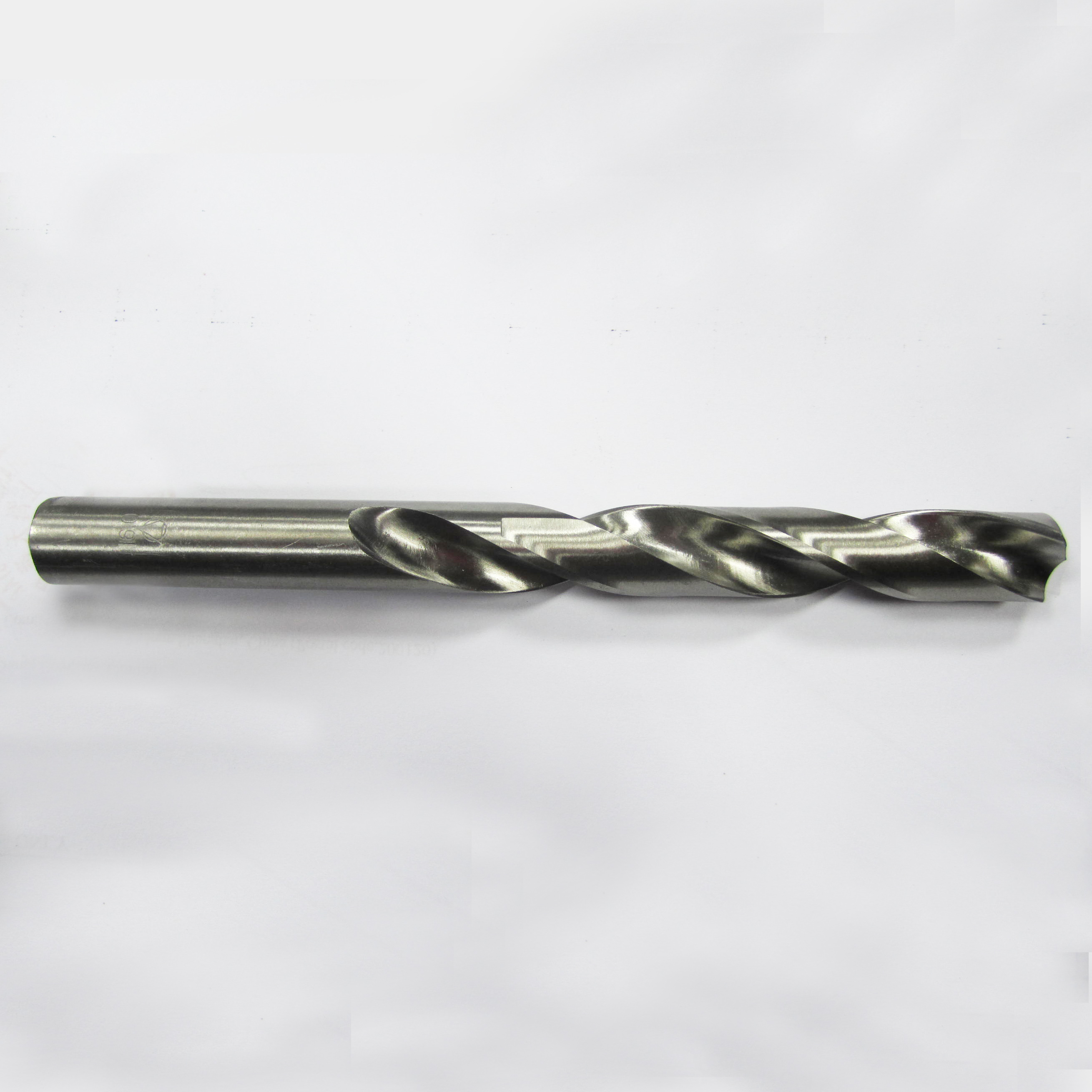
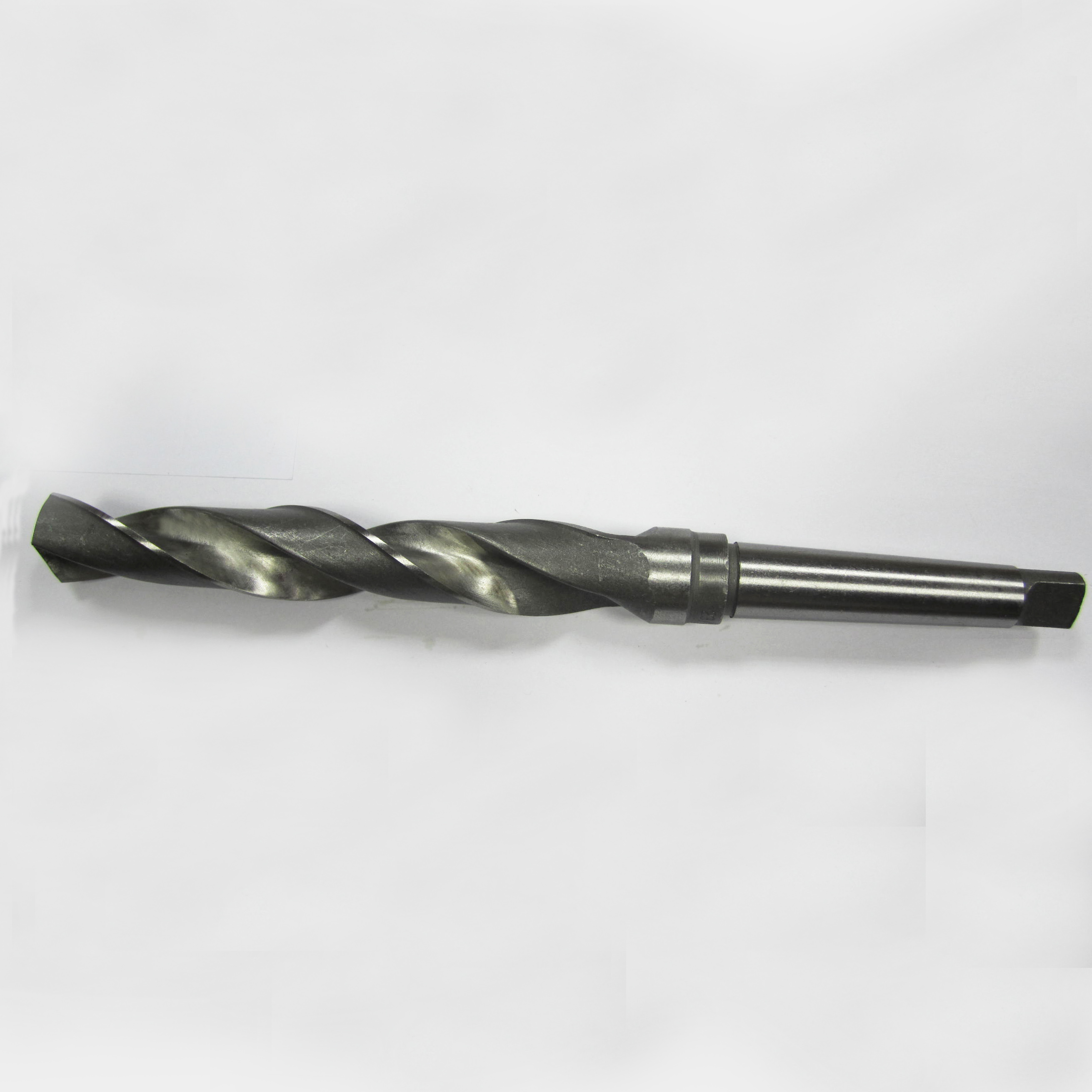
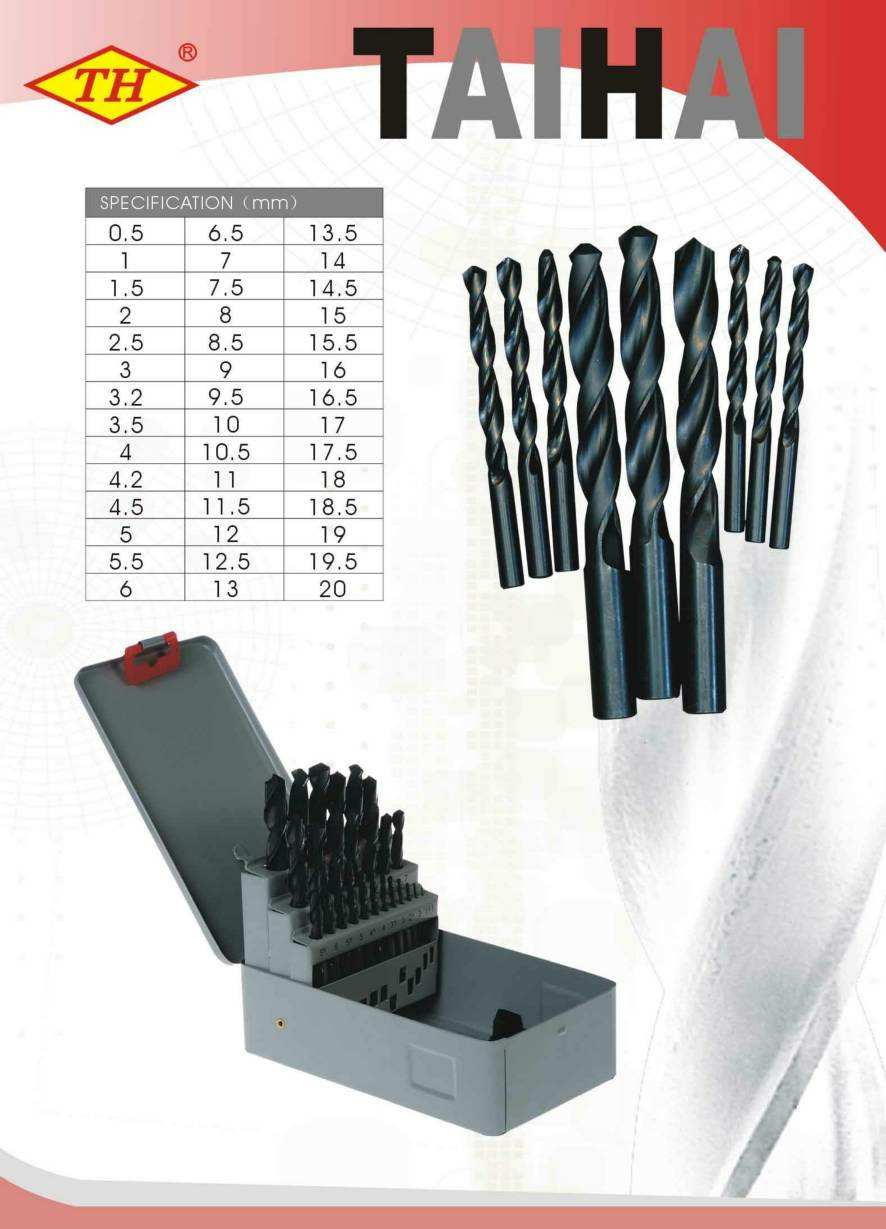
Drill Bit Blanks
Source wholesale Drill Bit Blanks from vetted suppliers and manufacturers. Designed for importers, distributors, and tool manufacturers looking for reliable OEM or private-label production. We connect you with factories capable of delivering high-grade solid carbide and high-speed steel (HSS) blanks in bulk with strict dimensional tolerances.
When sourcing drill bit blanks in volume, the raw material dictates the performance of the final cutting tool. Whether your facility grinds standard jobber drills, high-performance step drills, or specialized micro-drills, securing a consistent supply of defect-free blanks is critical. The primary sourcing challenge lies in verifying material composition—specifically distinguishing virgin powder from recycled scrap—and ensuring the factory's sintering and grinding processes maintain strict h5 or h6 diameter tolerances.
Material Grades and Specifications
Specifying the correct blank requires matching the material grade to the intended cutting application. The two dominant materials in commercial drill bit manufacturing are High-Speed Steel (HSS) and Tungsten Solid Carbide.
For solid carbide blanks, the grain size (ranging from standard to ultra-fine) and the cobalt binder percentage (typically 6 percent to 12 percent) determine the balance between hardness and toughness. Ultra-fine grain carbide with a 10 percent cobalt binder is standard for high-performance end mills and drills machining difficult alloys, offering high Transverse Rupture Strength (TRS).
| Blank Material | Common Grades | Primary Application | Key Cost Driver |
|---|---|---|---|
| Solid Carbide | K10, K20, YG6, YG8 | High-speed CNC machining, abrasive materials | Tungsten & Cobalt commodity prices |
| Cobalt HSS | M35 (5% Co), M42 (8% Co) | Stainless steel, high-heat applications | Cobalt content & heat treatment |
| Standard HSS | M2, M4 | General purpose drilling, wood, mild steel | Alloy composition |
Beyond material chemistry, buyers must specify the surface condition. Factories supply blanks either "as-sintered" (unground, requiring heavier stock removal) or "centerless ground" to precise tolerances (ready for fluting).
Manufacturing Process: Where Quality is Won or Lost
The structural integrity of a solid carbide blank is established during the pressing and sintering phases. Most long cylindrical blanks are formed via extrusion, while shorter, specialized blanks may be die-pressed.
The critical differentiator between standard and premium blank manufacturers is the use of Hot Isostatic Pressing (HIP). HIP sintering applies high heat and inert gas pressure simultaneously, effectively eliminating internal micro-porosity and significantly increasing the density and TRS of the blank. Without HIP sintering, blanks are prone to internal voids that cause catastrophic tool failure during grinding or end-use.
Need to verify a factory's sintering capabilities and equipment before placing a bulk order?
Talk to our teamAssessing a factory's technical capability requires looking past the sales office. Conducting thorough Factory Audits allows you to verify that the supplier actually operates HIP furnaces and precision centerless grinding machines, rather than outsourcing these critical steps.
Critical Quality Checks for Drill Bit Blanks
Defects in blanks are often invisible to the naked eye but will destroy grinding wheels or ruin the finished tool. Quality control must focus on both metallurgy and dimensional accuracy.
Pre-Shipment Inspection Points for Blanks
- Diameter Tolerance: Verification against h5 or h6 standards using precision micrometers.
- Straightness / Runout: Checking for bowing or bending, particularly in extruded rods longer than 330mm.
- Porosity Analysis: Destructive testing and metallurgical microscope inspection to ensure A02, B02, C00 porosity standards.
- Hardness Testing: Verification of HRA (Rockwell A) values across different batches.
- Surface Finish: Ensuring centerless ground blanks meet the specified Ra roughness values without grinding burn.
Implementing rigorous Quality Control & Inspection protocols before the blanks leave the factory prevents the costly mistake of shipping unusable raw materials halfway across the world.
Pricing Drivers, MOQs, and Lead Times
Blank pricing is highly volatile and directly tied to the global commodity indices for Tungsten and Cobalt. Suppliers rarely hold fixed pricing for longer than 15 to 30 days. When sourcing, it is essential to understand that quotes significantly below market average almost always indicate the use of recycled carbide scrap rather than virgin powder.
Factories typically supply blanks in standard 330mm rods, which the buyer cuts to length, or as pre-cut blanks chamfered to specific dimensions. Pre-cut blanks carry higher MOQs per size but reduce processing time at your facility.
Looking to negotiate better pricing or consolidate blank shipments from multiple specialized factories?
Get a free consultationFrequently Asked Questions
Consistent tool manufacturing requires a supply chain that delivers exact material chemistry and dimensional stability batch after batch. Partnering with a dedicated sourcing team ensures your Product Sourcing strategy prioritizes metallurgical integrity over superficial cost savings, protecting your brand's reputation on the cutting floor.
Get Sourcing Help for Drill Bit Blanks
Tell us your requirements and our experts will connect you with verified manufacturers.