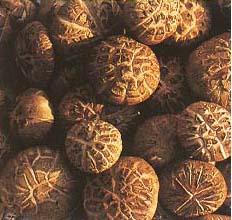
Dried Vegetables
Source premium wholesale dried vegetables directly from vetted manufacturers and suppliers. Designed for importers, food processors, distributors, and brands seeking reliable bulk supply or OEM private-label packaging. Ensure strict food safety, consistent quality, and competitive pricing for your volume orders.
Sourcing dried vegetables in commercial volumes requires balancing strict food safety compliance with highly volatile agricultural pricing. Whether you are procuring ingredients for instant soups, ready-to-eat meals, or snack brands, the core challenges remain the same: managing moisture content, ensuring zero foreign matter, and verifying that pesticide residue levels meet your destination market's Maximum Residue Limits (MRLs).
Successful procurement relies on understanding the technical specifications of the drying process and rigorously qualifying the processing facilities before a single container is loaded.
Drying Technologies and Yield Ratios
The dehydration method dictates the final product's rehydration speed, nutrient retention, color, and price. Buyers must specify the exact drying method required for their application.
| Specification | Air Dried (AD) | Freeze Dried (FD) |
|---|---|---|
| Drying Process | Hot air circulation (60-80°C) | Sublimation in a vacuum chamber |
| Moisture Content | Typically under 8% | Typically under 4% |
| Rehydration Speed | Slow (requires simmering/boiling) | Instant (rehydrates in warm/cold water) |
| Structure & Color | Shrunken, darker color | Retains original cellular structure and bright color |
| Cost Profile | Highly economical | Premium (3x to 5x higher than AD) |
The "drying ratio" (how many kilograms of fresh vegetables are required to produce one kilogram of dried product) heavily influences the final cost. For example, a 10:1 ratio means 10kg of fresh produce yields 1kg of dried. When fresh crop prices fluctuate due to weather, the dried product price amplifies that volatility by a factor of ten.
Critical Quality Specifications
When issuing a Purchase Order (PO), generic descriptions lead to rejected shipments. Professional buyers define exact parameters.
- Particle Size & Cut: Specify exact dimensions in millimeters (e.g., 3x3mm, 5x5mm, 10x10mm dices) or mesh size for powders (e.g., 60-80 mesh). Specify the acceptable tolerance for oversized or undersized pieces (usually maximum 5%).
- Moisture Content: Crucial for preventing microbial growth. AD vegetables should generally test below 8%, while FD vegetables must be strictly under 4% to prevent clumping and spoilage.
- Microbiology: Specify maximum limits for Total Plate Count (TPC), Coliforms, Yeast, Mold, and require negative results for pathogens like Salmonella and E. coli.
Need help standardizing your product specifications and finding capable processing facilities? Merhein can manage the sourcing and vetting process for you.
Talk to our teamForeign Matter Elimination
The most common cause of rejected dried vegetable shipments is foreign matter (stones, glass, metal, hair, or insect fragments). Modern export-grade facilities must employ a multi-stage sorting process.
Essential Factory Sorting Equipment
- Optical/Color Sorters: To remove discolored pieces and foreign materials of different colors.
- X-Ray Machines: Critical for detecting high-density foreign matter like stones, glass, and hard plastics.
- Metal Detectors: Positioned at the final packing stage to catch ferrous, non-ferrous, and stainless steel contaminants.
- Aspiration/Wind Sifting: To remove lightweight impurities like leaves, dust, and stems.
- Magnetic Grates: Installed throughout the processing line to catch fine metal shavings from cutting equipment.
Relying solely on the supplier's word for these capabilities is risky. Conducting thorough Factory Audits ensures the facility actually possesses and maintains this equipment, and that calibration logs are up to date.
Compliance and Pesticide Residues
Agricultural products are heavily scrutinized at import customs. Pesticide MRLs vary drastically between the US (FDA/EPA), the EU (EFSA), and other regions. A supplier whose product passes local standards may fail EU MRL testing, resulting in the destruction of the shipment at the port.
Always require third-party laboratory testing for heavy metals (lead, cadmium, arsenic, mercury) and comprehensive pesticide screens (often testing for over 400+ compounds) prior to shipment. Utilizing professional Compliance & Testing services guarantees the product meets your specific market's legal thresholds before it leaves the origin country.
MOQs, Lead Times, and Pricing
Minimum Order Quantities (MOQs) for dried vegetables are typically dictated by the minimum run time of the drying equipment and the batch size of the blending/packing machinery.
Pricing is highly seasonal. Contracting bulk orders during the immediate post-harvest period often secures the best pricing and highest quality raw materials.
Struggling with inconsistent quality or pricing volatility? Let Merhein stabilize your supply chain with vetted manufacturers and rigorous quality control.
Get a free consultationTo protect your investment, implement strict Quality Control & Inspection protocols, including Pre-Shipment Inspections (PSI), to verify moisture levels, cut sizes, and packaging integrity before container loading.
Frequently Asked Questions
Securing a reliable supply of commercial dried vegetables requires moving beyond simple price comparisons. It demands a deep understanding of agricultural cycles, processing technologies, and stringent quality assurance. By partnering with experienced sourcing professionals, you can mitigate food safety risks, ensure regulatory compliance, and build a resilient ingredient supply chain.
Get Sourcing Help for Dried Vegetables
Tell us your requirements and our experts will connect you with verified manufacturers.